
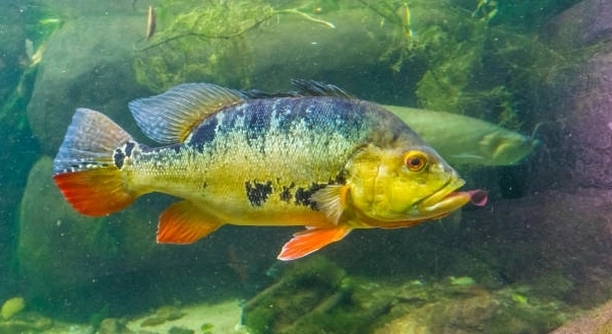
African cichlids are popular aquarium fish known for their vibrant colors and active behavior. Many enthusiasts enjoy interacting with them and wonder about their feeding habits. Training these fish to take food by hand is a topic of interest for many hobbyists.
African cichlids can be trained to take food by hand with patience and consistent practice. They respond to regular feeding routines and can learn to associate a person’s presence with food, demonstrating recognizable feeding behavior over time.
Understanding how to hand-feed these fish can enhance your aquarium experience and strengthen the bond between you and your aquatic pets.
Understanding African Cichlids’ Behavior
African cichlids are naturally curious and intelligent fish. They recognize changes in their environment and can learn from repeated experiences. When feeding time comes, they often swim toward the surface and actively search for food. This behavior can be encouraged to help them take food directly from a person’s hand. However, it requires patience and consistency. Sudden movements or loud noises may scare them away, so a calm approach is necessary. These fish are social and may compete for food, so feeding by hand can help create a routine that reduces stress and aggression. Recognizing their natural habits makes it easier to interact with them and establish trust. Training them to take food from your hand can make feeding time more engaging and enjoyable for both the fish and the keeper.
Hand-feeding African cichlids helps build a predictable routine that they can adapt to over time.
Repeated, gentle interaction creates familiarity, allowing the fish to accept hand feeding without stress or fear.
Preparing for Hand Feeding
Before attempting to hand feed your African cichlids, it is important to prepare the right environment. Choose a calm moment when the fish are active but not overly aggressive. Avoid feeding them immediately after a large meal to keep them interested in hand feeding. Use small, manageable pieces of food that are easy to hold and quick for the fish to consume. This prevents frustration and competition among the fish. Ensure your hands are clean and free of chemicals or soap residues to avoid harming the fish. Approach the tank slowly and hold your hand steady near the surface. Consistency in time and place helps the fish learn to associate your hand with feeding. Regular practice, combined with positive reinforcement, will encourage the cichlids to take food gently from your hand.
Hand feeding requires patience, a calm approach, and understanding of the fish’s needs.
Establishing a clean, controlled environment enhances the chances of successful hand feeding.
Careful preparation reduces stress and encourages the fish to become comfortable with human interaction.
Steps to Train African Cichlids to Take Food by Hand
Start by placing a small amount of food near your hand in the tank. Allow the fish to get used to your presence without moving suddenly. Over several sessions, gradually move the food closer to your fingers until they feel comfortable eating from your hand. Consistency is key.
Use slow and steady hand movements to avoid startling the fish. Begin feeding at the same time each day to build routine. Offer small pieces of food to prevent competition and ensure every fish gets a chance. Patience is important, as some cichlids may take longer to trust your hand than others. Avoid chasing or forcing them, as this can cause stress and slow the training process.
If the fish hesitate, reduce distractions around the tank. Make sure the lighting is comfortable and avoid loud noises. Reward small progress with food to reinforce positive behavior. Over time, the cichlids will associate your hand with feeding and approach it more readily. Training sessions lasting just a few minutes daily often yield the best results.
Benefits of Hand Feeding African Cichlids
Hand feeding allows for closer observation of your fish’s health and behavior. It can help detect early signs of illness or stress. This interaction also reduces aggression during feeding, as the fish learn to focus on one source rather than competing for scattered food. Regular feeding by hand creates a bond of trust, making the fish more responsive to your presence. It encourages natural curiosity and reduces their skittishness, improving their overall well-being.
This practice promotes a more interactive and rewarding aquarium experience. It also strengthens your connection with the fish, providing satisfaction beyond simply watching them swim. Hand feeding can improve feeding accuracy, minimizing waste and maintaining water quality. Understanding and respecting their limits is important to keep this routine positive. With steady effort, hand feeding becomes an enriching part of aquarium care that benefits both keeper and fish alike.
Common Challenges When Hand Feeding
Some African cichlids may remain shy or hesitant despite regular attempts. This can be due to natural temperament or previous stress.
Aggression can also arise if food is scarce or competition is high. Keeping portions balanced helps reduce this issue.
Tips to Overcome Feeding Challenges
Observe your fish carefully to identify which ones are more reserved. Give them extra time and avoid rushing the process. Using a feeding ring or target can help guide food to specific areas, reducing competition. Avoid overcrowding the tank, as it increases stress and limits personal space. Maintaining water quality and stable conditions supports healthier, more confident fish. Patience and gentle persistence usually help most cichlids adjust and accept hand feeding over time.
Food Choices for Hand Feeding
Choose soft, easily manageable foods like pellets or flakes designed for cichlids. Avoid large or hard pieces that may scare the fish or cause difficulty during feeding.
Safety Precautions
Always wash your hands thoroughly before and after feeding. Avoid using scented lotions or soaps that could harm the fish.
FAQ
Can all African cichlids be trained to take food by hand?
Not all African cichlids will take food by hand, but many species can be trained with patience. Their individual temperament varies, with some being naturally more cautious or aggressive. Success depends on the species, tank environment, and consistency in training.
How long does it usually take to train African cichlids to eat from the hand?
Training time varies widely. Some cichlids may begin taking food from the hand within a week, while others might take several weeks or longer. Regular, calm feeding sessions of just a few minutes each day tend to produce the best results.
What types of food are best for hand feeding African cichlids?
Soft, small pellets or flakes designed for cichlids work best. These are easy to hold on your fingers and safe for the fish to eat quickly. Avoid large or hard foods that might scare or injure them during feeding.
Is it safe to feed African cichlids directly from the hand?
Yes, it is safe as long as your hands are clean and free of soaps, lotions, or chemicals. Always wash hands thoroughly before feeding. Avoid sudden movements to prevent stressing the fish.
Can hand feeding reduce aggression among African cichlids?
Hand feeding can help reduce aggression during feeding times by focusing the fish’s attention on a single food source. It can create a more controlled environment where the fish compete less aggressively compared to scattered food.
What should I do if some cichlids are too aggressive during hand feeding?
Try feeding smaller portions more frequently to reduce competition. You can also separate aggressive fish temporarily or use feeding rings to target food to less dominant fish. Consistent feeding schedules can help balance aggression.
Will hand feeding help in monitoring my fish’s health?
Yes, hand feeding allows you to observe your fish closely. Changes in eating habits, appearance, or behavior are easier to spot during close interactions. This helps catch health issues early.
Are there risks of injury to my hand when feeding aggressive African cichlids?
Generally, African cichlids are not aggressive toward hands, but they have sharp teeth and can nip accidentally. Move slowly and calmly to minimize the risk. If a fish does nip, wash the area promptly to avoid infection.
Can hand feeding help tame very shy African cichlids?
Hand feeding can help shy fish become more comfortable with human presence. However, shy species or individuals might take longer to trust and may never fully take food from the hand. Patience is key.
How often should I hand feed my African cichlids?
Short sessions once or twice daily are ideal. Overfeeding should be avoided to maintain water quality and fish health. Hand feeding supplements regular feeding rather than replacing it entirely.
Is there a best time of day for hand feeding?
Feeding in the morning or early evening, when fish are naturally more active, is often best. Consistency helps the fish anticipate feeding and improves training success.
What if the fish ignore my hand during feeding?
Give them time and avoid forcing interaction. Try reducing distractions and moving your hand slowly. Sometimes waiting a few seconds with your hand still encourages the fish to approach.
Can hand feeding be done in community tanks with other fish species?
It can be more challenging because other species may compete or be scared by the hand. It’s best to hand feed in tanks where African cichlids are the main occupants or where other species are calm and compatible.
Does hand feeding affect the fish’s natural behavior?
Hand feeding usually does not negatively affect natural behavior if done properly. It can increase trust and reduce stress. However, it should not replace regular feeding routines or environmental enrichment.
What should I avoid when hand feeding African cichlids?
Avoid sudden movements, using dirty or chemically contaminated hands, overfeeding, and forcing fish to eat. Also, do not feed them food unsuitable for their diet or large pieces that cause stress.
How can I encourage reluctant fish to take food from my hand?
Start by feeding near your hand, then slowly bring the food closer over several sessions. Use calm, quiet movements and offer favorite foods. Give shy fish more time and space to adapt at their own pace.
Are there any special considerations for young or juvenile cichlids?
Juveniles may be more timid and require extra patience. Use smaller food particles and shorter training sessions. Avoid overcrowding and maintain optimal water conditions to support their health and learning.
Can I use hand feeding as a form of enrichment for my African cichlids?
Yes, hand feeding can serve as enrichment by stimulating natural feeding behavior and encouraging interaction. It adds variety to their routine and helps keep them mentally active.
Is it necessary to stop hand feeding once fish are trained?
No, many keepers continue hand feeding as a regular part of care. It strengthens the bond and helps maintain trust. Just ensure it does not lead to overfeeding or dependency.
What signs indicate that hand feeding is working?
Fish approaching your hand without fear, taking food directly from your fingers, and showing eagerness during feeding times are good signs. Reduced aggression and calmer behavior are also positive indicators.
How do I clean my hands properly before feeding?
Use plain water without soap or chemicals to rinse hands thoroughly. Avoid scented soaps or lotions that can harm fish. Dry your hands completely before reaching into the tank.
Final Thoughts
Training African cichlids to take food by hand is possible with patience and consistent effort. These fish have different personalities, so results may vary. Some will quickly adapt to hand feeding, while others may need more time. Understanding their natural behavior and respecting their limits helps create a positive experience for both the fish and the keeper. A calm and steady approach during feeding sessions is important to avoid causing stress. With time, many cichlids learn to recognize their keeper and respond calmly to hand feeding.
Hand feeding offers more than just a way to feed your fish. It builds trust and creates a closer connection. This interaction allows for better observation of the fish’s health and behavior, helping to identify any early problems. It also can reduce competition and aggression at feeding time by focusing attention on a single source. However, hand feeding should not replace regular feeding routines or good tank maintenance. It works best as part of a balanced care routine that includes clean water, proper diet, and a peaceful environment.
While hand feeding can be rewarding, it requires understanding and patience. Not all cichlids will take food from the hand, and that is okay. Forcing the fish or rushing the process can cause more harm than good. The goal is to encourage gentle behavior through regular, calm interaction. Maintaining this routine can enhance your aquarium experience and make feeding time more enjoyable for both you and your fish. Keeping these points in mind helps ensure a healthy and happy environment for African cichlids.

Hello,
If you enjoy the content that we create, please consider saying a "Thank You!" by leaving a tip.
Every little bit helps us continue crafting quality advice that supports the health, happiness, and well-being of pets around the world, for pets of all shapes, sizes, and species.
We really appreciate the kindness and support that you show us!