
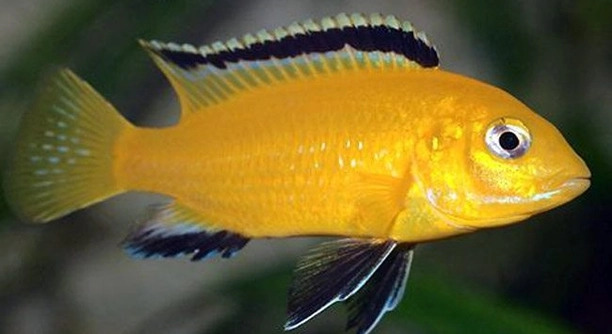
Loud sounds are common in many aquatic environments, but their effects on fish like African cichlids are often overlooked. These colorful fish respond to changes in their surroundings, including noise levels. Understanding this impact is important for their care and wellbeing.
Exposure to loud sounds can cause stress and behavioral changes in African cichlids. These noises may disrupt their communication, feeding, and breeding patterns. Prolonged or intense noise exposure can negatively affect their overall health and increase vulnerability to disease.
Knowing how sound affects these fish helps improve aquarium conditions and supports healthier habitats. This article explores the effects of noise and what it means for African cichlid care.
How African Cichlids Hear and React to Sound
African cichlids have a well-developed sense of hearing that helps them detect vibrations in the water. They use their inner ears and lateral line system to sense changes in their environment, including sounds. This ability is important for communication, avoiding predators, and finding food. However, loud noises can be overwhelming. In aquariums or natural habitats near human activity, sounds from pumps, filters, or boats may reach levels that disturb the fish. When exposed to such noise, cichlids may show signs of stress like rapid breathing, hiding, or erratic swimming. Over time, this can affect their immune system and make them more prone to illness. Keeping the noise levels moderate is essential to maintaining their health and natural behavior in captivity or in the wild.
Sound disturbances affect fish behavior significantly, influencing their daily activities and wellbeing.
Reducing noise in the environment can improve African cichlids’ comfort and support normal interactions. Providing quiet spaces and minimizing mechanical noise helps them thrive. Understanding their sensitivity to sound allows better aquarium setup and care, promoting a healthier life for these fish.
Common Sources of Loud Noise in Aquariums
Many aquarium equipment pieces create noise that can bother African cichlids. Filters, air pumps, and lighting systems sometimes generate vibrations or humming sounds. These noises can become constant background stressors for the fish. Additionally, tapping on the glass or loud room noises may startle them unexpectedly. Unlike humans, fish cannot leave noisy areas, so they must endure it. Continuous exposure to such sounds may lead to reduced feeding, less social interaction, and increased aggression among cichlids. Monitoring the aquarium environment and adjusting or upgrading noisy equipment can reduce stress. Sometimes simply placing equipment on vibration-absorbing mats or relocating noisy devices away from the tank helps. Maintaining a calm and stable environment is key to keeping African cichlids healthy and balanced.
Loud noises inside the aquarium impact fish behavior and health over time.
To support African cichlids’ wellbeing, it is crucial to control noise sources. Regular checks and adjustments help maintain peaceful surroundings, ensuring the fish can live comfortably and display natural behaviors. Simple changes in equipment placement and usage often make a significant difference in reducing sound stress. This careful attention improves fish vitality and enjoyment for aquarium keepers alike.
Effects of Loud Sounds on African Cichlid Behavior
Loud sounds can cause immediate stress responses in African cichlids. They may become more aggressive, hide frequently, or stop eating. These behaviors affect their overall wellbeing and social dynamics.
Stress from noise disrupts normal behavior patterns in cichlids. Increased aggression can lead to fights, causing injuries or fatigue. Hiding reduces their activity, limiting feeding opportunities and social interaction. Over time, this can weaken their health and immune system. In breeding pairs, loud noise may interfere with mating rituals and parental care, lowering reproductive success. Maintaining a quiet environment helps preserve natural behaviors and promotes a balanced aquarium community.
Consistent exposure to loud sounds may lead to long-term health issues. Stress hormones rise, suppressing the immune response and increasing susceptibility to disease. It also affects growth rates and lifespan. Observing changes in behavior is important to identify noise-related stress early. Adjusting aquarium conditions by reducing noise helps restore fish health and comfort. These simple steps improve the quality of life for African cichlids.
Managing Noise Levels in Your Aquarium
Choosing quieter equipment minimizes stress for cichlids. Look for pumps and filters designed to operate silently or with low vibration. Positioning devices on soft surfaces reduces noise transmission.
Regular maintenance prevents equipment from becoming noisy over time. Clean filters and motors keep running smoothly. Using sound-absorbing materials near the tank walls also helps. Avoid tapping on the glass or loud movements around the aquarium. Creating a calm environment supports fish health and natural behavior. Monitoring noise levels is an easy yet effective way to improve the wellbeing of African cichlids in captivity.
Signs Your African Cichlids Are Stressed by Noise
Stressed cichlids often show changes in behavior, such as hiding more or becoming unusually aggressive. They may also stop eating or swim erratically. Recognizing these signs early is important.
Physical signs like faded colors or clamped fins can also indicate stress. Watch closely for these subtle changes to help protect your fish.
Creating a Quiet Habitat for African Cichlids
Reducing noise starts with choosing the right location for the aquarium. Avoid placing the tank near loud appliances or high-traffic areas. Using soundproofing materials around the aquarium or in the room can lower noise levels. Regularly inspect and maintain equipment to prevent added noise. This helps create a peaceful environment where cichlids can thrive without unnecessary stress from loud sounds.
Benefits of a Low-Noise Environment
A quiet habitat supports healthier fish behavior and reduces stress. Cichlids are more likely to eat well, breed successfully, and show natural social interactions when noise is minimized.
Adjusting Noise Levels Gradually
Sudden changes in sound can startle fish. Gradually lowering noise helps cichlids adjust more comfortably.
FAQ
How loud is too loud for African cichlids?
African cichlids are sensitive to noises above normal aquarium background sounds. Sudden loud noises or continuous sounds above 70 decibels may cause stress. It’s best to keep noise levels as low as possible to avoid disturbing them. Consistent exposure to loud noises can affect their health and behavior negatively.
Can loud noises cause permanent damage to African cichlids?
Yes, prolonged exposure to loud sounds can lead to lasting damage. Stress weakens their immune systems, making them vulnerable to disease. In some cases, excessive noise may harm their hearing structures, reducing their ability to detect environmental cues. Minimizing loud noise helps protect their long-term wellbeing.
What are the common sources of loud noises in a home aquarium?
Common noise sources include filters, air pumps, and powerheads. These devices can produce vibrations and humming sounds that stress fish. Tapping on the glass, loud conversations near the tank, or placing the aquarium on unstable surfaces also contribute to noise. Regular maintenance and careful placement help reduce these noises.
How can I reduce noise from aquarium equipment?
Place equipment on soft, vibration-absorbing pads or mats to reduce hum and vibration. Choose quieter models designed for low noise. Perform regular cleaning to keep motors running smoothly and prevent rattling. If possible, isolate noisy devices away from the aquarium. These small steps make a noticeable difference.
Will noise stress affect breeding success in African cichlids?
Yes, noise stress can interfere with breeding behaviors. Loud or constant sounds may disrupt courtship rituals and reduce parental care. Stress lowers hormone levels needed for reproduction. Providing a calm, quiet environment improves chances for successful breeding and healthy fry development.
Are some African cichlid species more sensitive to noise?
Different species may have varying noise tolerance, but most African cichlids are generally sensitive to loud sounds. Species that rely heavily on sound for communication or territorial behavior might be more affected. Observing your specific fish’s behavior can help determine their sensitivity.
How quickly do African cichlids recover from noise stress?
Recovery time depends on the noise intensity and duration. Mild stress may clear within days once noise is reduced. Longer or more intense exposure requires more time and careful care. Providing a quiet environment, good water quality, and proper nutrition supports faster recovery.
Is background noise from household activities harmful to African cichlids?
Normal household sounds, like talking or distant appliances, usually do not harm cichlids. Problems arise with sudden loud noises or constant mechanical sounds near the aquarium. Keeping the tank in a low-traffic area with minimal vibration is best for their comfort.
Can I train my African cichlids to tolerate louder noises?
Fish cannot be trained like pets to tolerate loud noise. Gradual exposure to low-level sounds may help them adapt somewhat, but loud or sudden noises will always cause stress. It is better to minimize noise exposure than try to desensitize them.
Does noise stress cause physical health problems?
Yes, noise stress triggers release of stress hormones that weaken the immune system. This increases susceptibility to infections and slows healing. Prolonged stress can also reduce growth rates and shorten lifespan. Managing noise is essential for maintaining fish health.
What are signs that noise is affecting my African cichlids?
Look for hiding, erratic swimming, loss of appetite, aggression, or color fading. Clamped fins and lethargy are also common signs. Changes in social behavior, such as loss of territoriality or breeding activity, may indicate stress. Early detection allows quick intervention.
How often should I check noise levels in my aquarium?
Regularly observe your tank environment for unusual sounds or vibrations. Check equipment at least monthly and after any maintenance. Listen for changes in noise intensity and respond quickly. Keeping noise low and stable is a continuous effort for healthy fish care.
Are there any tools to measure noise in aquariums?
Yes, smartphone apps can measure decibel levels near the tank. These help identify noisy equipment or areas. Professional sound meters provide more accurate readings but are not necessary for most hobbyists. Use measurements as a guide to reduce noise effectively.
Does water volume affect how noise impacts African cichlids?
Larger tanks can sometimes buffer sound better, but vibrations still travel through water. Smaller tanks may amplify noise effects due to proximity. Proper equipment placement and sound dampening are important regardless of tank size to reduce noise stress.
Can natural water movement help mask harmful noises?
Water flow from filters or air stones creates background noise that may mask sudden sounds. However, it cannot eliminate the stress caused by loud noises. Natural water movement can create a more stable environment, but quiet equipment and surroundings remain crucial.
What should I do if I notice stress signs in my cichlids?
First, check for noisy equipment or disturbances nearby. Reduce noise by adjusting or relocating devices. Improve water quality and provide hiding spots. Monitor fish behavior closely and consult a specialist if signs persist. Acting quickly helps prevent serious health problems.
Final Thoughts
Understanding how loud sounds affect African cichlids is important for their care and wellbeing. These fish are sensitive to noise, and loud or constant sounds can cause them stress. Stress in fish can lead to changes in behavior, health problems, and even lower their chances of breeding successfully. Keeping noise levels low helps maintain a peaceful environment where cichlids can thrive. This is true whether they are kept in home aquariums or live in the wild. By paying attention to sound and its effects, aquarium owners can make better choices that support their fish’s health and happiness.
Creating a quiet and stable environment for African cichlids does not require complicated solutions. Simple steps, like choosing quieter aquarium equipment, placing devices on soft surfaces, and avoiding loud noises near the tank, can make a big difference. Regular maintenance of equipment prevents unnecessary noise caused by wear or dirt buildup. It is also helpful to position the aquarium away from busy or noisy areas in the home. These small changes can reduce stress for the fish and help them display natural behaviors. When cichlids feel safe and comfortable, they eat better, interact more, and show their beautiful colors.
Monitoring your fish for signs of stress from noise is key to keeping them healthy. Behavior changes such as hiding, aggression, loss of appetite, or color fading often indicate that something is wrong. Adjusting the aquarium environment as soon as these signs appear can prevent long-term harm. Keeping noise low supports immune health, growth, and overall vitality. In the end, paying attention to sound levels is a simple but powerful way to ensure African cichlids live well and remain vibrant. Taking care of their environment with care and attention helps these fascinating fish flourish for years to come.

Hello,
If you enjoy the content that we create, please consider saying a "Thank You!" by leaving a tip.
Every little bit helps us continue crafting quality advice that supports the health, happiness, and well-being of pets around the world, for pets of all shapes, sizes, and species.
We really appreciate the kindness and support that you show us!