
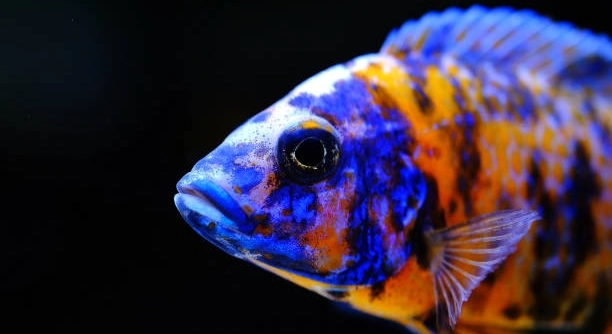
African cichlids are popular aquarium fish known for their bright colors and lively behavior. Many hobbyists enjoy keeping them healthy and active in their tanks. Feeding and care are important parts of maintaining these vibrant fish.
African cichlids can indeed gain excess weight if overfed or given an unbalanced diet. Like many fish species, they store extra fat when calorie intake exceeds energy use, which may lead to health problems and reduced mobility.
Knowing how to feed your cichlids properly helps maintain their health and vitality. Understanding their dietary needs will keep your aquarium lively and your fish thriving for years.
Why Do African Cichlids Gain Weight?
African cichlids gain weight mainly because of overfeeding and improper diet. When these fish receive more food than they need, the extra calories turn into fat. Many cichlid owners may not realize that feeding too often or giving too many treats can quickly lead to weight gain. Besides overfeeding, poor food quality also plays a role. Foods high in fats or fillers do not provide balanced nutrition and may contribute to unhealthy fat storage. Additionally, lack of enough exercise in small tanks can make it harder for cichlids to burn calories. In the wild, they swim long distances and stay active, which helps control their weight. Aquarium conditions often limit this movement, making it more important to monitor feeding. Proper portion sizes and a balanced diet tailored to their natural needs will prevent unhealthy weight gain.
Maintaining good water quality also supports healthy metabolism, which helps cichlids avoid excess fat buildup.
Understanding these factors can help you manage your fish’s weight better, leading to a happier, healthier aquarium environment.
How to Prevent African Cichlids from Getting Fat
The best way to prevent weight gain is to control food portions and feed high-quality, species-appropriate food.
Feeding African cichlids only what they can eat within a few minutes, once or twice a day, keeps them healthy. Using pellets or flakes designed for cichlids ensures they get the right nutrients without extra fat or fillers. Including occasional live or frozen foods, like brine shrimp or bloodworms, provides variety and stimulates natural hunting behavior. Avoid overfeeding treats or human food, as these can cause digestive issues and contribute to weight gain. Regular tank maintenance and water changes also promote a healthy environment that supports metabolism and activity. Offering enough space and hiding places encourages swimming and reduces stress, which helps prevent unhealthy fat storage. Keeping these habits will make a noticeable difference in your cichlids’ health and longevity.
Signs Your African Cichlids Are Overweight
Overweight cichlids may show visible signs like a rounded belly or difficulty swimming. Their movement may become slower or less agile than usual.
A swollen belly is a common sign of excess fat, but it could also indicate other health problems, so observation is important. If your cichlid struggles to swim or hides more often, it might be carrying extra weight. Changes in appetite or lethargy can also signal issues. Regularly checking your fish’s body shape and behavior helps catch problems early. Keeping a close eye ensures you can adjust feeding habits or tank conditions before health worsens.
Weight gain can also affect breathing or cause unusual bulges near the fins. These signs mean you should take immediate steps to improve diet and tank care to help your fish recover.
Adjusting Your Feeding Routine
Feeding frequency and amount are key factors in preventing weight gain. Feeding once or twice a day with controlled portions works well.
Overfeeding often happens when fish get snacks between meals or when owners feed too much out of habit. It’s better to feed small amounts that your cichlids can finish quickly rather than leaving uneaten food in the tank. Uneaten food leads to poor water quality and adds unnecessary calories. Using a feeding schedule and measuring food helps maintain balance. You can observe your fish during feeding to make sure they eat everything without leftover bits. Adjust portions based on activity level, age, and size to avoid overfeeding while ensuring they get enough nutrition to stay healthy.
Common Foods That Can Cause Weight Gain
Some foods are more likely to cause weight gain in African cichlids. High-fat or high-carbohydrate options should be given sparingly.
Processed flakes and pellets with fillers may add unnecessary calories. Live or frozen foods are better choices for balanced nutrition.
Best Foods for Maintaining Healthy Weight
Feeding a diet rich in protein and low in fat supports healthy weight. High-quality cichlid pellets, supplemented with occasional live foods like brine shrimp or daphnia, provide essential nutrients without excess calories. Vegetables such as spinach or peas can be offered in small amounts to add fiber and variety. Avoid overfeeding and stick to measured portions. This approach helps keep your fish active and prevents fat buildup, promoting longevity and vibrant colors.
Importance of Exercise for Cichlids
Exercise helps African cichlids burn calories and stay fit. Providing enough space and stimulating the environment encourages natural swimming and activity.
FAQ
Can African cichlids get fat from eating too much?
Yes, African cichlids can become overweight if they consume more food than they burn. Overfeeding leads to excess calories stored as fat, which may cause health issues like slower movement, digestive problems, and increased risk of disease. Keeping feeding amounts in check helps avoid this.
How often should I feed my African cichlids?
Feeding once or twice a day is enough for most African cichlids. It’s best to give small portions they can finish within a few minutes. Overfeeding by offering food multiple times a day can cause weight gain and water quality problems.
What are the best foods to prevent my cichlids from getting fat?
High-quality pellets designed for cichlids are best. These provide balanced nutrition with proper protein levels and low fat. Supplementing with live or frozen foods like brine shrimp or bloodworms adds variety. Occasional vegetables such as peas or spinach help with digestion and fiber intake.
Can lack of space in the tank cause my cichlids to gain weight?
Yes, limited swimming space reduces activity, which can lead to weight gain. Cichlids in smaller tanks move less, burning fewer calories. Providing a larger tank with plenty of hiding spots encourages exercise and helps maintain a healthy weight.
Is a swollen belly always a sign of fat in cichlids?
No, a swollen belly might indicate other health problems like dropsy, parasites, or infections. However, excess fat can also cause a rounded belly. If you notice swelling along with lethargy or abnormal behavior, it’s best to consult a vet or aquatic specialist.
What should I do if my cichlid is overweight?
Start by reducing feeding amounts and frequency. Switch to a balanced diet with high-quality food and increase their tank space or add decorations to encourage movement. Monitor water quality closely, and remove uneaten food promptly. If problems persist, seek advice from an aquarium professional.
Can treats cause weight gain in African cichlids?
Yes, frequent treats or feeding human food can add unnecessary calories and upset their nutritional balance. Treats should be rare and small in portion. Stick to foods formulated for cichlids to maintain health.
How can I tell if my feeding routine is causing weight problems?
If you notice leftover food in the tank after feeding or your cichlids appear rounder than usual, you might be overfeeding. Regularly check the fish’s body shape and behavior. Adjust portions to avoid excess food and weight gain.
Does water quality affect cichlid weight?
Poor water quality stresses fish and can affect their metabolism, sometimes leading to unhealthy weight gain or loss. Keeping water clean with regular changes and proper filtration supports overall health and weight management.
Are there specific exercises for cichlids to avoid weight gain?
There aren’t specific exercises, but providing enough swimming space and tank decorations encourages natural movement. Rearranging the tank periodically can stimulate exploration and activity, helping cichlids stay fit.
African cichlids are beautiful and active fish that bring life to any aquarium. Keeping them healthy means paying attention to their diet and environment. Like many animals, these fish can gain excess weight if they are fed too much or given the wrong foods. Overweight cichlids may have trouble swimming and can develop health problems over time. Understanding how to manage their food intake and provide a good living space helps prevent these issues. This way, your fish stay energetic and colorful for a long time.
Controlling what and how much you feed your cichlids is one of the simplest but most important steps in caring for them. Using high-quality, species-specific food and feeding only small amounts once or twice a day is best. Avoid giving extra treats often, as these can add too many calories and cause weight gain. It’s also helpful to watch your fish carefully. Notice if they look rounder than usual or if their swimming slows down. These signs mean you should change their feeding routine or tank setup to keep them healthy. Keeping the tank clean and giving the fish enough room to swim helps them burn calories naturally.
In the end, managing the weight of your African cichlids comes down to balance. Good nutrition, proper feeding habits, and a stimulating environment all play a role. By keeping these factors in mind, you can enjoy watching your cichlids thrive without worrying about health problems from extra fat. Healthy cichlids live longer and show their best colors, making your aquarium a better place. Taking these small steps in care ensures your fish remain strong and happy, which makes the experience rewarding for both you and your aquatic pets.

Hello,
If you enjoy the content that we create, please consider saying a "Thank You!" by leaving a tip.
Every little bit helps us continue crafting quality advice that supports the health, happiness, and well-being of pets around the world, for pets of all shapes, sizes, and species.
We really appreciate the kindness and support that you show us!