
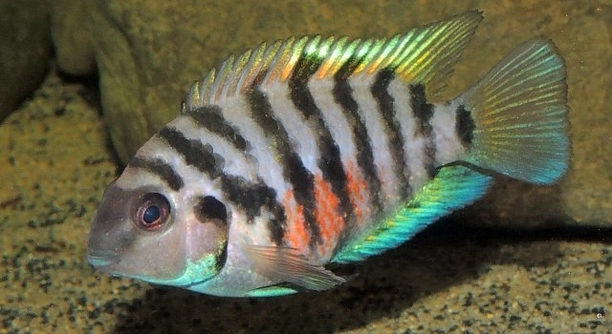
African cichlids are colorful freshwater fish often found in home aquariums. These fish are known for their interesting behaviors and interactions within their groups. Many fish enthusiasts observe how they move and behave around each other.
African cichlids do communicate through movements. Their body postures, fin displays, and swimming patterns serve as signals to other fish for territory, mating, or warning. These movements are a key part of their social interaction and survival.
Understanding the ways these fish use movement to communicate reveals much about their behavior and helps improve how we care for them in captivity.
How African Cichlids Use Movement to Communicate
African cichlids rely heavily on body language to send messages to other fish around them. Their movements include fin flaring, changing swimming speed, and shifting body angles. These actions can show dominance, submission, or readiness to mate. For example, a male cichlid may flare its fins and swim aggressively to warn others away from its territory. Meanwhile, a submissive fish might lower its fins and avoid eye contact to prevent conflict. Movement also plays a role in courtship, where males perform specific dances or swim patterns to attract females. These behaviors are instinctive and vital for maintaining social order. Because cichlids live in crowded environments, clear communication helps avoid fights and ensures that each fish knows its place. Observing these signals can help aquarium owners understand their fish better and keep them healthy.
Movement in African cichlids is a natural, continuous way they interact, reflecting their mood and intentions without using sounds.
Knowing these movement signals helps maintain peaceful tanks and supports healthier fish relationships.
The Role of Territory and Social Hierarchy in Movement
Territory plays a big role in how African cichlids move and behave. Each fish wants a specific area it can defend. When a cichlid feels its space is threatened, it will display bold movements like chasing or circling intruders. These actions serve as warnings to back off. Social hierarchy also affects movement patterns. Dominant fish move confidently and often control the best spots. Subordinate fish tend to stay low in the tank or hide to avoid confrontations. The constant movement and positioning within the tank show the balance of power. Understanding these patterns can help aquarists manage aggression by providing enough space and hiding spots. This reduces stress for all fish and promotes a healthier environment. Watching how your cichlids move can reveal if there is tension or if they are comfortable with their social setup.
Movement as a Warning Signal
African cichlids often use quick, sharp movements to warn others. These actions can include rapid swimming or sudden fin displays. Such signals are meant to prevent fights by showing strength without physical contact. This form of communication helps maintain peace in crowded environments.
Warning movements usually begin with the fish becoming more alert and swimming faster near the perceived threat. They might flare their fins wide or change colors to look bigger. These visual cues tell other fish to keep their distance. Sometimes, the warning ends the interaction peacefully, avoiding injury. However, if the warning is ignored, the cichlid may escalate to chasing or biting.
These warning signs are important for tank owners to recognize. If your fish is showing frequent warning movements, it could mean stress or overcrowding. Adjusting tank conditions can help reduce these aggressive signals and keep the environment calm.
Movement During Courtship
Courtship movements in African cichlids are distinct and often graceful. Males perform slow, deliberate swims and fin flares to attract females. These actions show fitness and readiness to mate. The display also includes circling and nudging the female.
During courtship, males might dig shallow pits or clear spots in the substrate. They use these spaces to impress females and prepare for spawning. Females respond by staying close if interested or swimming away if not. This back-and-forth movement is a key part of their mating ritual, helping both partners assess each other. Observing these behaviors can help tank owners identify breeding pairs and support successful spawning.
Movement and Stress Signals
African cichlids show stress through slow or erratic swimming. They may hide more or avoid other fish. These movements help indicate discomfort or illness.
Recognizing stress signals early is key to improving their environment. Changes in water quality or tank setup often cause these behaviors.
Learning Movement Patterns in African Cichlids
Observing cichlid movements over time helps understand their moods and needs. Consistent patterns can reveal when a fish feels safe or threatened. This knowledge aids in managing tank dynamics and preventing aggression or stress. Paying close attention to their daily activities improves care and promotes healthier fish.
Movement as Play Behavior
Some African cichlids display quick, playful swimming. This behavior shows curiosity and good health, adding life to the aquarium.
FAQ
How do African cichlids use movement to show aggression?
African cichlids show aggression mainly through fin displays and fast, direct swimming toward other fish. They may flare their dorsal and anal fins to appear larger. Rapid darting movements or chasing also signal aggression. These behaviors warn others to stay away without immediate fighting, helping to avoid serious injury.
Can movement indicate if a cichlid is sick or stressed?
Yes, unusual swimming patterns like sluggishness, erratic darting, or hiding can indicate stress or illness. When cichlids feel unwell, they often reduce movement or isolate themselves. Observing these changes early allows for quick action to improve water quality or seek treatment, which is crucial for their health.
Do African cichlids communicate with each other through movement only?
Movement is the main form of communication for African cichlids, but they also use color changes and sometimes sounds. Their body language combined with fin displays conveys different messages such as warning, courtship, or submission. Movement, however, remains the clearest and most frequent way they interact.
How can I tell if my cichlids are courting through their movements?
Courtship movements include slow, graceful swimming and fin flaring by males. They often swim around the female in circles and may clean a spot in the tank to prepare for spawning. Females show interest by following the male closely. These behaviors are distinct from aggressive or neutral movement.
What should I do if my cichlids show aggressive movement?
If aggressive behavior is frequent, consider increasing tank size or adding more hiding spots. Rearranging decorations can help break sight lines and reduce tension. Sometimes, separating very aggressive individuals is necessary. Proper tank management lowers stress and improves the overall health of the fish.
Are there movements that show submission in African cichlids?
Yes, submissive cichlids often lower their fins, swim slowly, or avoid eye contact with dominant fish. They may also retreat to corners or behind decorations. These movements signal they are not a threat and help avoid fights, keeping the social balance in the tank.
How important is understanding movement for caring for African cichlids?
Understanding movement is vital for proper care. It helps recognize signs of stress, illness, and social issues early. This knowledge allows for adjustments in tank conditions, feeding, or social groups to keep fish healthy and happy. Watching their behavior closely improves the aquarium environment.
Can movement patterns change with age or size?
Yes, younger cichlids tend to be more active and playful, while older fish may move slower or be less aggressive. Size also affects movement; larger fish often dominate and display more confident swimming. Noticing these changes helps adapt care as fish grow.
Do African cichlids use movement differently in the wild compared to tanks?
In the wild, movements may be more varied and intense due to larger territories and more complex social structures. Tank environments are limited, so movements can be more frequent but sometimes more aggressive due to space restrictions. Understanding this helps in creating better tank setups.
How can I encourage natural movement in my cichlids?
Providing enough space, proper tank mates, and environmental enrichment encourages natural behaviors. Use rocks, plants, and hiding places to simulate their natural habitat. Feeding routines that mimic their wild diet also stimulate activity. Encouraging natural movement supports mental and physical health.
African cichlids communicate a lot through their movements. These fish use different types of body language to show how they feel, what they want, or how they see other fish around them. Movements like fin flaring, swimming patterns, and changes in body position all carry meaning. Understanding these signals can help people who keep cichlids in tanks better care for their fish. When you know what the movements mean, you can tell if your fish is feeling stressed, happy, or ready to mate. This knowledge makes it easier to create a good environment for them.
Movement also plays an important role in how African cichlids interact with each other. For example, when they want to protect their territory, they use strong, bold movements to warn other fish. This helps avoid fights by showing who is in charge. During courtship, males perform specific swimming patterns and fin displays to attract females. These behaviors are natural and part of how cichlids live together. Watching how your fish move can help you spot these interactions. It also gives clues about whether your fish feel safe and comfortable in their space or if they need changes in their tank setup.
Taking time to watch and understand cichlid movements can improve the health and happiness of your fish. Noticing signs of stress or aggression early lets you adjust things like tank size, decorations, or water quality before problems grow. Encouraging natural behaviors with enough space and hiding spots supports peaceful living. Overall, paying attention to movement is one of the best ways to keep African cichlids thriving. This simple approach helps make sure your fish stay active, healthy, and show their natural personalities.

Hello,
If you enjoy the content that we create, please consider saying a "Thank You!" by leaving a tip.
Every little bit helps us continue crafting quality advice that supports the health, happiness, and well-being of pets around the world, for pets of all shapes, sizes, and species.
We really appreciate the kindness and support that you show us!