
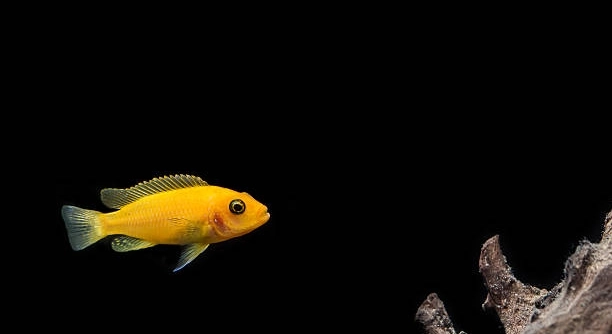
Are your African cichlids spending more time apart than together in their tank? It can be puzzling when fish that usually interact start avoiding each other without any clear reason. This behavior may indicate changes in their environment or social dynamics.
African cichlids may avoid each other due to territorial disputes, stress from overcrowding, poor water quality, or incompatible tank mates. These factors influence their natural behaviors and can lead to increased aggression or withdrawal to maintain balance within the habitat.
Understanding these causes can help you create a more peaceful environment for your cichlids and improve their well-being. The following sections will explain common reasons and solutions to address this behavior effectively.
Territorial Behavior Among African Cichlids
African cichlids are naturally territorial fish, especially males. When they feel their space is being invaded, they may become aggressive or avoid other fish altogether. This behavior is more common in smaller tanks where there is less room to establish individual territories. Females can also show territorial behavior, but it tends to be less intense. When territories overlap or become crowded, stress levels rise, causing fish to hide or stay apart. This separation is a way to avoid constant confrontation and injury. Providing enough hiding spots and visual barriers can help reduce tension. Decorations like rocks, plants, or caves create boundaries and safe zones for your cichlids. It also mimics their natural environment, helping them feel secure. Regularly observing their interactions can help you adjust tank layout or population to keep peace.
Proper territory management improves overall health and reduces stress-related diseases in your fish.
Setting up distinct areas in the tank encourages natural behaviors and decreases avoidance among cichlids.
Understanding tank size, décor, and population balance is key to managing territorial disputes effectively.
Impact of Water Quality on Fish Behavior
Water quality directly affects the health and behavior of African cichlids. Poor water conditions can stress fish, making them less active and more likely to avoid others. High levels of ammonia, nitrites, or nitrates are harmful and often cause discomfort or illness. Even slight changes in pH or temperature can disrupt their routine, leading to hiding or separation from the group. Frequent water testing and regular changes are essential to maintain stable conditions. Clean water supports their immune system and natural social behavior. Filtration systems help remove waste and keep the tank environment safe. Avoid overfeeding, which can pollute the water and encourage harmful bacteria growth. A balanced diet and clean water work together to keep your cichlids active and social. If you notice your fish avoiding each other, checking water quality should be one of the first steps. It often reveals underlying issues that need correction to restore harmony.
Overcrowding and Its Effects
Too many African cichlids in one tank create stress and force them into constant competition for space. This overcrowding often leads to avoidance behavior as fish try to stay away from dominant or aggressive tank mates.
Overcrowding disrupts the social balance among cichlids. When there isn’t enough room, fish feel threatened and stressed, which affects their health and behavior. Crowded tanks increase aggression and cause some fish to hide more than usual. This avoidance is a coping mechanism to reduce conflict. Overcrowding also impacts water quality by increasing waste, which further stresses the fish. To prevent this, ensure your tank size matches the number of fish and provide plenty of hiding spaces. Reducing the population or upgrading to a larger tank improves both social interaction and overall well-being.
Addressing overcrowding helps your cichlids feel secure and encourages more natural, healthy interactions within the tank.
Compatibility of Tank Mates
Some African cichlid species do not get along well with others due to differences in temperament or territorial needs. Mixing incompatible species can cause avoidance and stress.
Choosing compatible tank mates requires understanding each species’ behavior. Aggressive species should be housed separately from peaceful ones to prevent conflict. Mixing different sizes can also cause issues, as larger fish may bully smaller ones, forcing them to hide. Providing enough space and hiding spots can reduce tension, but careful selection is crucial. Researching species compatibility helps maintain a calm environment and promotes healthy interactions. Incompatible fish often avoid each other to stay safe, which can affect their activity levels and health. Managing tank mates wisely creates balance and minimizes stress-related avoidance.
Stress and Its Role in Avoidance
Stress can cause African cichlids to hide or avoid each other more than usual. Stressors include sudden changes in environment, aggressive tank mates, or poor water conditions.
When stressed, cichlids may become less active and retreat to safer spots. This behavior helps them cope but can signal that something in the tank needs attention.
Lack of Proper Hiding Places
Cichlids need adequate hiding spots to feel secure. Without enough shelter, fish may avoid each other due to discomfort or fear.
Providing caves, rocks, and plants reduces stress and allows shy or submissive fish to escape aggressive interactions. This helps keep the tank peaceful and balanced.
Feeding Competition
Feeding time can increase tension among cichlids, especially if food is scarce or unevenly distributed. Competition can cause fish to avoid each other afterward.
Ensuring plenty of food and spreading it throughout the tank reduces aggression and allows all fish to eat without stress.
FAQ
Why are my African cichlids avoiding each other suddenly?
Sudden avoidance often results from changes in the tank environment, such as new fish introduction, water quality shifts, or alterations in temperature or pH. These changes cause stress and uncertainty, making fish more likely to hide or stay apart until they adjust or conditions improve.
How can I tell if my cichlids are stressed?
Signs of stress include hiding more than usual, loss of appetite, unusual swimming patterns, and faded colors. Stress can also lead to aggressive or withdrawn behavior. Regular observation helps catch these signs early to prevent health issues.
Can tank size affect cichlid behavior?
Yes, tank size is crucial. Small tanks limit territory and increase aggression, which makes fish avoid each other. Larger tanks provide enough space for territories and reduce stress, encouraging more natural social behavior.
How many cichlids should I keep in one tank?
This depends on tank size and species. Generally, allow at least 10 gallons per adult fish. Overcrowding causes stress, aggression, and avoidance. Research your species’ specific needs for best results.
What decorations help reduce avoidance?
Rocks, caves, plants, and other structures create hiding spots and territorial boundaries. These help reduce conflict by allowing shy fish places to retreat and giving dominant fish space to claim.
Does feeding schedule impact social behavior?
Yes, irregular or insufficient feeding can increase competition and stress. Feeding small amounts multiple times a day and spreading food evenly helps reduce aggression and avoidance during mealtime.
Are certain species better together?
Some cichlids are more peaceful and can coexist well; others are very aggressive. Mixing compatible species based on temperament and size helps prevent conflict and avoidance.
How often should I test water quality?
Test water at least once a week. Keeping ammonia, nitrites, and nitrates at safe levels supports healthy fish behavior. Poor water quality is a common cause of stress and avoidance.
Can adding more hiding spots fix avoidance problems?
Adding hiding spots often helps by giving stressed or shy fish safe areas. However, if underlying issues like aggression or poor water quality persist, avoidance may continue.
When should I separate aggressive cichlids?
Separate fish if aggressive behavior leads to injuries or constant stress. Using a divider or moving fish to a different tank protects health and reduces avoidance caused by fear.
How do I introduce new cichlids to reduce stress?
Introduce new fish slowly by quarantining first and using a tank divider initially. This lets fish get used to each other without direct contact, reducing aggression and avoidance.
Can changes in lighting affect cichlid behavior?
Yes, sudden or intense lighting can stress fish. Providing a consistent light cycle with gradual transitions helps keep fish calm and encourages natural interaction.
Is it normal for cichlids to avoid each other during breeding?
Yes, during breeding, some cichlids become more territorial and avoid others to protect eggs or fry. This is temporary and part of their natural behavior.
How can I reduce aggression in a cichlid tank?
Use a larger tank, add hiding spots, choose compatible species, and maintain good water quality. Regular monitoring and adjusting tank conditions help keep aggression and avoidance low.
What signs show that avoidance behavior is improving?
Fish spending more time in open areas, sharing spaces without conflict, and normal feeding habits indicate reduced stress and better social balance. Consistent observation is key to noticing these changes.
African cichlids avoiding each other is a sign that something in their environment or social structure needs attention. This behavior is often linked to stress, territorial disputes, overcrowding, or poor water conditions. Understanding these reasons can help you take the right steps to improve the situation. It’s important to regularly check your tank’s conditions and observe your fish carefully. Changes in behavior can signal health or environmental problems early on, giving you a chance to make adjustments before issues worsen.
Maintaining a proper tank setup is key to reducing avoidance among cichlids. Providing enough space, hiding spots, and compatible tank mates helps create a balanced environment. Avoid overcrowding, as it increases stress and competition for resources. Keeping water clean and stable supports fish health and encourages normal social behavior. Feeding should be consistent and adequate to avoid aggression during mealtime. Each element plays a role in the overall well-being of your fish and how they interact with each other.
Patience and observation go hand in hand when managing African cichlids. Sometimes changes in behavior are temporary as fish adjust to new conditions or tank mates. Other times, it may take ongoing care and tank adjustments to restore peace. By paying close attention to their needs and responding to signs of stress or aggression, you can create a healthy environment where your cichlids feel comfortable and interact naturally. This approach ensures they remain active, healthy, and more social over time.

Hello,
If you enjoy the content that we create, please consider saying a "Thank You!" by leaving a tip.
Every little bit helps us continue crafting quality advice that supports the health, happiness, and well-being of pets around the world, for pets of all shapes, sizes, and species.
We really appreciate the kindness and support that you show us!