
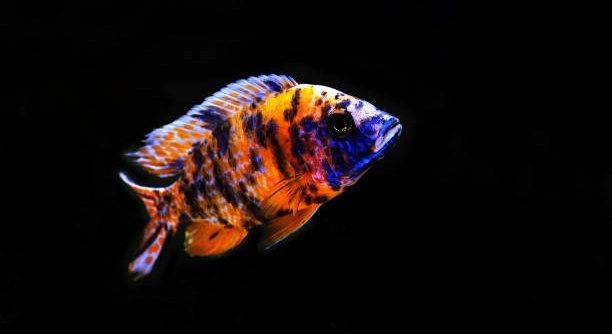
Cichlids are popular aquarium fish known for their vibrant colors and lively behavior. Many fish keepers enjoy watching their interactions, but sometimes these fish show aggressive tendencies. Understanding their behavior can help maintain a peaceful tank environment.
Cichlids can indeed get injured during fights. Physical injuries such as torn fins, scale damage, and bruises are common when these fish establish territory or dominance. Such wounds can lead to infections if not properly managed.
Learning about the risks and signs of injury can help you care for your cichlids better and keep your aquarium healthy and balanced.
Common Causes of Cichlid Fights
Cichlids are territorial fish. When they feel their space is threatened, they may become aggressive toward other fish. This behavior often happens during feeding or breeding times. Males especially compete for dominance, which can lead to chasing and biting. The tank size also matters—a small tank increases stress and tension, making fights more frequent. Poor hiding spots or decorations that do not provide enough cover can add to the problem. Sometimes, different species with clashing temperaments are kept together, leading to conflict. Understanding these triggers helps in creating a peaceful tank. Regular observation is important to spot early signs of stress or injury. By adjusting the environment or separating aggressive fish, many fights can be prevented. Careful planning ensures that all cichlids have enough space to establish their territories without constant confrontation.
Aggression often spikes when the tank is overcrowded or lacks structure.
Providing proper tank conditions and compatible fish types helps reduce fighting and keeps injuries at bay.
How to Treat Injuries from Fights
Injuries in cichlids usually appear as torn fins, missing scales, or red spots on their bodies. These wounds need attention because they can easily get infected. It’s best to isolate injured fish in a hospital tank where they have clean water and less stress. You can add aquarium salt to help prevent infection and promote healing. Regular water changes are vital to keep the environment healthy. Feeding high-quality food strengthens their immune system, helping recovery. Avoid overcrowding to reduce stress and prevent further attacks. Sometimes, mild antibacterial treatments may be necessary if infections develop. Watching for signs like lethargy or unusual swimming can indicate worsening health. Prompt care increases the chance of full recovery and keeps your fish safe.
Treat injuries quickly to avoid infection and further harm.
Keeping tanks clean and stress-free plays a key role in healing wounded cichlids.
Preventing Fights Among Cichlids
Providing enough space is key to reducing fights. Overcrowding increases stress and aggression among cichlids. Adding plenty of hiding spots, like plants and rocks, helps fish avoid confrontations. Choosing compatible species also makes a big difference. Avoid mixing very aggressive with peaceful types to keep harmony in the tank.
Tank size directly affects cichlid behavior. A larger tank allows fish to establish separate territories, reducing conflicts. Decorations and plants create natural barriers and hiding places, giving less dominant fish space to retreat. Proper filtration and water quality reduce stress, which can trigger aggression. Feeding regularly and evenly can prevent competition during mealtime. Observing your fish often helps catch any early signs of trouble before injuries occur.
If fights continue, consider rearranging the tank to break up established territories. Sometimes, moving a fish to a different tank is the only way to stop ongoing aggression.
When to Separate Fighting Cichlids
Separation is necessary when injuries are severe or constant aggression harms fish health. Fish that are constantly chased or bitten become stressed, weakening their immune system. If wounds do not heal, infections can develop quickly. In such cases, separating the fish protects their well-being and prevents further damage. Temporary isolation in a hospital tank allows recovery and monitoring without additional stress.
Separating aggressive fish is sometimes the only option to maintain peace. It can stop ongoing harm and give weaker fish a chance to heal properly. Moving fish between tanks should be done carefully to avoid additional stress. Once healed, some fish may be reintroduced with caution, while others might need a permanent home apart from aggressive tank mates. Regular tank maintenance and adjustments help create a more balanced environment for all cichlids.
Signs of Stress in Fighting Cichlids
Stress in cichlids often shows through changes in behavior and appearance. Fish may hide more, swim erratically, or lose appetite. Faded colors and rapid breathing are also common signs. Noticing these early helps prevent serious injuries.
Ignoring stress signs can lead to illness. Stress weakens the immune system and slows healing. Acting quickly can improve your fish’s chances of recovery.
Best Tank Setup to Reduce Fighting
A well-planned tank with plenty of hiding places reduces aggression. Use rocks, plants, and caves to create natural barriers. This setup allows fish to claim territories without constant confrontation. Clean water and proper filtration are essential to keep fish healthy and calm.
Feeding Tips During Aggression
Feeding multiple spots in the tank helps reduce competition. Use sinking pellets to spread food evenly. This strategy prevents dominant fish from blocking others and lowers fighting during meals.
Choosing Compatible Cichlids
Select species with similar temperaments to avoid conflict. Avoid mixing very aggressive and passive fish in the same tank. Compatibility promotes a calmer environment and reduces injuries.
FAQ
Can cichlids heal from injuries caused by fights?
Yes, cichlids can heal from injuries like torn fins and scrapes if given proper care. Clean water, good nutrition, and reducing stress are essential for healing. Sometimes, separating injured fish in a hospital tank helps speed up recovery and prevents infections.
How can I tell if a cichlid is injured or just showing normal behavior?
Injuries usually show as visible damage like missing scales, torn fins, or red spots. Normal behavior may include chasing or displaying, but no physical harm. If a fish looks lethargic, swims oddly, or has damaged fins, it’s likely injured and needs attention.
What is the best way to prevent cichlid fights in a community tank?
To prevent fights, provide enough space and hiding spots. Choose compatible species and avoid overcrowding. Feeding multiple locations and keeping the water clean also helps reduce stress and aggression among cichlids.
Are some cichlid species more aggressive than others?
Yes, aggression levels vary by species. Some cichlids are naturally more territorial and aggressive, like African cichlids from Lake Malawi. Others, like angelfish or keyhole cichlids, tend to be less aggressive but can still fight if stressed or overcrowded.
Can injuries from fights cause serious health problems?
Injuries can lead to infections, especially if the water quality is poor. Open wounds allow bacteria and parasites to enter, which can cause diseases. Prompt treatment and clean water are important to prevent health issues.
Should I separate fish immediately if I see fighting?
Not always. Some chasing and displays are normal behavior. Separate fish only if fighting causes visible injuries or constant stress. Monitoring the situation can help decide if separation is necessary.
How often should I check my cichlids for injuries?
Regular observation is key. Check your fish daily for signs of wounds, unusual behavior, or stress. Early detection helps you act quickly and prevent problems from getting worse.
What treatments are safe for injured cichlids?
Aquarium salt and mild antibacterial medications are common safe treatments. Always follow instructions carefully. Avoid strong medications unless prescribed, as they can harm sensitive fish or disrupt the tank balance.
Can rearranging the tank decorations reduce aggression?
Yes, rearranging decorations can break up established territories and reduce fights. Changing the layout helps fish adjust to new boundaries and lowers stress caused by constant territorial disputes.
Is it better to keep one or multiple male cichlids together?
It depends on the species and tank size. Many male cichlids are territorial and should be kept alone or in large tanks with many hiding places. In smaller tanks, one male per species is usually safer to avoid fights.
How do I introduce new cichlids to an established tank without causing fights?
Introduce new fish slowly and carefully. Use a quarantine tank first to ensure health. When adding new cichlids, rearrange decorations to disrupt existing territories and reduce aggression. Monitor closely after introduction.
Do cichlid fights happen more during breeding?
Yes, breeding times increase aggression. Males become more territorial and protective of their nests. Providing extra hiding spots and separating overly aggressive fish during breeding can help reduce injuries.
Can stress from fighting affect cichlid lifespan?
Chronic stress weakens the immune system, making fish more prone to disease and shortening lifespan. Reducing fights and maintaining good tank conditions improve overall health and longevity.
What are common signs that a cichlid is stressed from fighting?
Signs include hiding, loss of appetite, faded colors, rapid breathing, and erratic swimming. Stress makes fish vulnerable to illness, so spotting these early helps in preventing serious problems.
Is it necessary to use a hospital tank for every injured cichlid?
Not always, but it is recommended for serious injuries or infections. A hospital tank offers a controlled environment for healing without threats from other fish. Minor wounds may heal in the main tank if conditions are ideal.
Can overfeeding cause aggression among cichlids?
Overfeeding itself does not usually cause aggression, but uneven feeding can lead to competition. Feeding at multiple spots and providing enough food helps reduce fighting during mealtime.
Cichlids are fascinating fish with strong personalities, and their natural behavior sometimes includes fighting. This aggression is usually about protecting territory or establishing dominance. While fights can cause injuries, understanding why they happen and how to manage them is important for keeping your fish healthy. By providing enough space, hiding spots, and choosing compatible fish, many fights can be prevented. Watching your cichlids closely helps you notice any early signs of stress or injury before things get worse. Taking care of their environment and needs is the best way to reduce conflicts and keep a peaceful aquarium.
When injuries do occur, quick action is key. Minor wounds like torn fins or scrapes often heal well if the fish has clean water, good nutrition, and less stress. In some cases, it helps to isolate the injured fish to protect it from further harm. Using treatments like aquarium salt or mild medications can prevent infections and speed healing. Keeping the tank clean and well-maintained supports their immune system and overall health. Remember, ongoing fighting or severe injuries mean it may be time to separate certain fish to protect them and maintain balance in your tank.
It’s normal to see some level of aggression with cichlids because of their nature. However, understanding their behavior and creating the right tank conditions makes a big difference. Avoid overcrowding, choose peaceful companions, and offer plenty of hiding places. Regular observation and proper care help keep stress low and prevent injuries. Taking these steps will not only protect your fish from harm but also allow you to enjoy their beautiful colors and interesting behaviors for years. Caring for cichlids means balancing their natural instincts with a safe, healthy environment.

Hello,
If you enjoy the content that we create, please consider saying a "Thank You!" by leaving a tip.
Every little bit helps us continue crafting quality advice that supports the health, happiness, and well-being of pets around the world, for pets of all shapes, sizes, and species.
We really appreciate the kindness and support that you show us!