
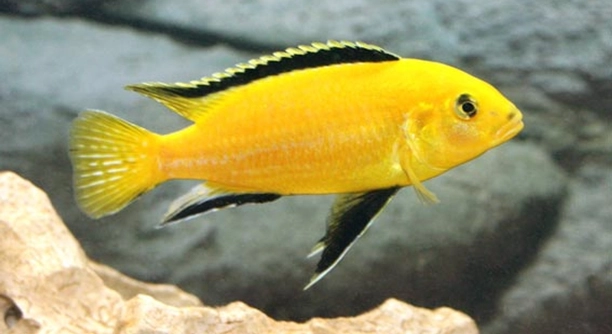
African cichlids are popular freshwater fish known for their vibrant colors and interesting behaviors. Many hobbyists enjoy breeding them but sometimes face challenges when these fish refuse to mate. Understanding the reasons behind this can help improve their breeding success.
African cichlids might refuse to breed due to factors like poor water quality, incorrect tank conditions, stress from overcrowding, improper diet, lack of suitable mates, illness, or inadequate hiding spots for spawning. These factors disrupt their natural breeding instincts.
Knowing these common causes can help you create a better environment for your cichlids. Learning how to address these issues makes a big difference in encouraging healthy breeding habits.
Water Quality Issues
Poor water quality is one of the main reasons African cichlids may stop breeding. These fish are sensitive to changes in their environment, especially in water parameters like pH, ammonia, nitrate, and nitrite levels. If the water is not clean or balanced, it can stress the fish and prevent them from breeding. Regular water testing and changes are necessary to maintain a healthy tank. High ammonia or nitrate can be toxic, while the wrong pH can affect their natural behavior. Cichlids need stable conditions to feel safe enough to breed. Adding filters and keeping up with water changes keeps the environment healthy. It also helps reduce waste buildup, which is harmful over time. When water quality is poor, the fish focus on survival instead of reproduction, which explains why breeding stops. Keeping water parameters within their ideal range improves the chance of successful spawning.
Maintaining clean and stable water supports cichlid health and encourages breeding behavior.
Proper water care can make a noticeable difference in your cichlids’ readiness to breed and overall well-being.
Stress and Tank Conditions
Stress from overcrowding or unsuitable tank setups can prevent African cichlids from breeding. Cichlids are territorial fish that need enough space and hiding spots to feel secure. When tanks are too small or overcrowded, competition and aggression increase, causing stress. Stress reduces their interest in mating and can even lead to illness. Providing enough space, plants, rocks, and caves helps create a comfortable environment. Separating aggressive fish or keeping species with similar temperaments can reduce conflicts. Light levels and tank noise also impact stress; quiet, stable surroundings encourage breeding. Tank conditions like water temperature and hardness must match the species’ natural habitat. If these are off, cichlids won’t feel ready to spawn. Attention to tank setup and population balance helps lower stress and promotes healthier fish and successful breeding. A calm environment is key to making your cichlids feel at ease.
Diet and Nutrition
Poor diet can stop African cichlids from breeding. They need a balanced mix of proteins, vitamins, and minerals to stay healthy and reproduce. Feeding only flakes or low-quality food won’t provide the nutrients required for spawning.
A varied diet including high-quality pellets, frozen or live foods like brine shrimp, and vegetable matter helps boost their health and readiness to breed. Nutrient deficiencies weaken fish and reduce energy, making them less likely to spawn. Feeding several small meals a day instead of one large portion can improve digestion and nutrient absorption. Proper nutrition supports their immune system and promotes natural breeding behaviors.
Regularly adjusting their diet based on species needs ensures they get the right balance of nutrients. Fresh, quality food encourages vitality and triggers breeding instincts, increasing the chance of successful spawning.
Illness and Health Problems
Illness can prevent African cichlids from breeding by affecting their energy and overall condition. Common diseases like parasites, bacterial infections, or fungal growth reduce fish activity and stress them out. Sick fish won’t focus on reproduction.
Preventing illness with good tank hygiene, quarantine for new fish, and prompt treatment is important. Watch for signs such as discoloration, unusual swimming, or loss of appetite. Early detection allows for effective care before problems worsen. A healthy fish is more likely to breed successfully.
Maintaining a clean environment and offering a proper diet strengthen fish immunity. Regular observation and quick response to health issues help keep your cichlids in breeding condition and improve their long-term survival.
Lack of Suitable Mates
African cichlids may refuse to breed if there are no compatible mates available. Some species need specific male-to-female ratios to trigger breeding behavior. Without the right partner, breeding will not happen naturally.
Introducing healthy, compatible mates encourages natural courtship and spawning. Compatibility helps reduce aggression and increases the chances of successful breeding.
Inadequate Spawning Sites
Cichlids often require specific places to lay eggs, such as caves or flat rocks. Without proper spawning sites, they won’t feel comfortable breeding. Providing a variety of hiding spots encourages natural breeding behavior.
Temperature and Lighting
Water temperature and lighting strongly influence African cichlids’ breeding cycles. Many species need stable temperatures between 75–82°F (24–28°C) to feel ready to spawn. Lighting should mimic natural daylight patterns to support hormonal changes linked to breeding. Sudden changes or extremes in temperature can stress fish and prevent spawning. Adjusting tank lighting to simulate a natural day/night cycle helps maintain healthy behavior. Properly controlled temperature and lighting conditions promote consistent breeding and support the fish’s overall health.
FAQ
Why won’t my African cichlids breed even though the tank looks fine?
Even if the tank appears clean and suitable, small details can affect breeding. Water parameters might be off, such as pH or temperature, or stress from nearby tank mates could be a factor. Make sure the environment matches their natural habitat as closely as possible and check for subtle signs of stress.
How often should I change the water to encourage breeding?
Regular water changes are important. Changing about 20-30% of the water weekly helps maintain good quality. Clean water reduces toxins and keeps conditions stable, which supports breeding. Avoid drastic changes; keep water chemistry consistent to prevent stressing the fish.
Can diet alone trigger breeding in African cichlids?
Diet plays a big role but isn’t the only factor. Providing a nutritious, varied diet helps improve fish health and readiness to breed. However, proper water quality, tank setup, and stress reduction are also essential for successful spawning.
What is the ideal male-to-female ratio for breeding?
Most African cichlids do well with one male to two or three females. This reduces aggression from males and helps females feel less stressed. Overcrowding or too many males can cause fights, stopping breeding efforts.
How important are hiding spots for breeding?
Hiding spots like caves, rocks, or plants are very important. They give fish places to feel safe and protect eggs or fry. Without these spots, cichlids may not feel secure enough to lay eggs or care for their young.
How can I tell if my cichlids are stressed?
Signs of stress include hiding too much, loss of appetite, pale colors, or erratic swimming. Stress lowers their chance of breeding and can lead to illness. Identifying and fixing causes of stress helps them feel safe and ready to spawn.
Do all African cichlids need the same water conditions to breed?
No, different species have different needs. Some prefer harder or softer water, cooler or warmer temperatures. Researching the specific species you have will help you set the right water parameters to encourage breeding.
Can illness prevent my cichlids from breeding?
Yes, illness can greatly reduce breeding chances. Sick fish focus energy on recovery rather than reproduction. Maintaining good tank hygiene and treating diseases quickly helps keep fish healthy and able to breed.
Is lighting important for breeding success?
Yes, lighting affects breeding cycles by influencing fish hormones. Mimicking natural daylight with about 10-12 hours of light per day helps stimulate breeding. Too much or too little light can disrupt their natural rhythm.
What should I do if my cichlids are aggressive and not breeding?
Aggression can block breeding. Try rearranging tank decorations to break up territories, or separate aggressive individuals. Ensuring proper male-to-female ratios and providing hiding places can reduce fights and encourage breeding behavior.
How long does it usually take for African cichlids to start breeding?
This varies by species and conditions but often takes a few weeks to several months. Providing the right environment, diet, and low stress speeds up the process. Patience and consistent care are key.
Can poor water flow affect breeding?
Yes, too strong a current can stress fish and disrupt spawning. African cichlids prefer moderate flow that keeps water clean without being overwhelming. Adjust filters to create gentle currents.
Is it necessary to separate fry after breeding?
Separating fry is often recommended to protect them from adults, including parents that may eat their young. Providing a separate nursery tank increases fry survival and helps manage feeding and care more easily.
How can I encourage natural breeding behavior?
Create a stable, comfortable environment with proper water quality, temperature, lighting, and hiding places. Feeding a balanced diet and reducing stress through careful tank management will promote natural breeding behaviors.
African cichlids are beautiful and interesting fish to keep, but getting them to breed can sometimes be difficult. Many factors affect their willingness and ability to reproduce. It is important to pay attention to water quality, tank conditions, diet, and the overall health of the fish. Keeping water clean and stable helps reduce stress and creates a good environment for breeding. Changing water regularly and testing the water parameters can prevent problems before they start. This simple care routine supports the fish’s natural behavior and encourages spawning.
Another important aspect is creating the right tank setup. Cichlids need enough space to swim freely and areas where they feel safe. Rocks, caves, and plants provide hiding spots where they can lay eggs and protect their young. If the tank is overcrowded or lacks these features, the fish may feel threatened and refuse to breed. It also helps to keep the right ratio of males to females to reduce aggression. Watching how your fish interact can guide you in making adjustments that promote peaceful conditions. A calm and secure environment increases the chances that your cichlids will breed successfully.
Finally, diet and health play a big role in breeding success. Feeding a varied, nutritious diet strengthens the fish and improves their energy for reproduction. Illness or poor nutrition can make fish weak and less interested in mating. Keeping an eye on their health and addressing any problems quickly helps maintain good breeding conditions. Being patient and consistent with your care routine is key, as breeding may take time even under ideal conditions. Paying attention to these details makes it easier to enjoy watching your African cichlids breed and raise healthy young fish.

Hello,
If you enjoy the content that we create, please consider saying a "Thank You!" by leaving a tip.
Every little bit helps us continue crafting quality advice that supports the health, happiness, and well-being of pets around the world, for pets of all shapes, sizes, and species.
We really appreciate the kindness and support that you show us!