
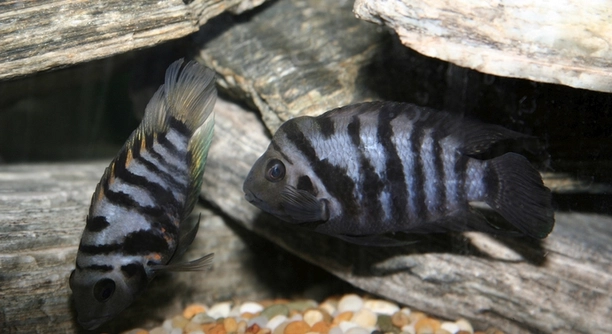
African cichlids are popular aquarium fish known for their bright colors and lively behavior. Many fishkeepers enjoy watching their unique personalities and social interactions in tanks. These fish can be sensitive to changes in their environment and care.
African cichlids can experience stress that may lead to behavior changes similar to depression. Environmental factors like poor water quality, overcrowding, or lack of stimulation can negatively affect their mental well-being and overall health.
Understanding how to care for these fish properly helps keep them healthy and active. This article will explain important signs and ways to support your cichlids’ emotional and physical needs.
What Causes Depression-Like Behavior in African Cichlids
African cichlids are very social creatures, and their environment plays a big role in how they feel and behave. When water conditions are poor, such as having high ammonia or nitrite levels, these fish can become stressed. Overcrowding also leads to aggression, which causes anxiety and withdrawal in some cichlids. Lack of hiding spots or stimulation in their tank can make them bored and inactive. Changes like sudden temperature shifts or constant noise can disrupt their normal behavior patterns. If cichlids don’t get enough proper care or attention, they may stop eating or lose interest in swimming, which looks like sadness or depression. Keeping a clean tank, giving enough space, and providing enrichment helps keep these fish in good spirits and healthy.
Stress from poor water or tank setup can cause cichlids to act depressed and less active.
It’s important to watch for signs like hiding too much or refusing food. These behaviors often point to problems that need fixing. Regular tank maintenance, proper feeding, and a balanced social group will help your cichlids stay lively and happy. Sometimes changing the layout or adding plants and rocks can give them a better place to explore and relax. With careful observation and adjustments, you can improve their well-being and reduce stress-related behaviors.
Recognizing Signs of Depression in African Cichlids
Depression-like signs in African cichlids include decreased activity, loss of appetite, and hiding more than usual.
These signs often indicate stress or poor conditions. When cichlids appear listless or stop interacting with other fish, it may mean they are unwell. Changes in color or erratic swimming are also warning signs. Paying close attention helps catch these early so you can act quickly.
Behavior changes can be subtle, so checking your tank regularly is key. If you notice these symptoms, test the water and review tank conditions. Improving water quality and providing a calm environment often helps. Sometimes adjusting the number of fish or adding enrichment reduces stress. Keeping cichlids in a balanced setup encourages natural behaviors and supports their mental health. Proper care ensures your fish stay active, colorful, and comfortable in their home.
How to Improve Your Cichlids’ Mental Health
Providing a clean and stable environment is the first step to improving your cichlids’ well-being. Regular water changes and good filtration keep stress levels down and prevent sickness.
Adding plants, rocks, and hiding spots helps your cichlids feel secure. These decorations give them places to explore and rest away from aggressive tank mates. Keeping the tank properly spaced to avoid overcrowding reduces tension. Feeding a balanced diet with varied food supports their physical health, which also affects mood. Watching their behavior daily helps catch problems early before they worsen.
Keeping a consistent routine for feeding and tank maintenance also builds a comfortable environment. Sudden changes or disruptions can confuse or upset cichlids, so try to keep things predictable. If aggression is high, consider rearranging the tank or separating aggressive fish to lower stress for everyone.
When to Seek Help for Your Cichlids
If your cichlids continue to show signs of depression despite changes, it’s time to investigate further. Persistent loss of appetite or unusual swimming patterns may indicate illness rather than just stress.
Consulting a vet or experienced fishkeeper can provide useful advice and proper diagnosis. Sometimes infections or parasites cause behavior changes that need treatment. Keeping good records of water tests, feeding, and behavior helps professionals find the problem. Acting early can save your fish from worsening health issues.
If environmental fixes don’t help, medical causes should be ruled out. Addressing health problems quickly improves chances for recovery. Your cichlids’ happiness depends on both their surroundings and physical health being cared for carefully.
The Role of Tank Environment
A well-maintained tank creates a healthy space for African cichlids to thrive. Clean water and stable conditions reduce stress, which helps prevent depression-like symptoms.
Proper lighting and temperature also affect fish mood. Too much light or fluctuating temperatures can cause discomfort and behavioral changes in cichlids.
Social Interaction and Its Effects
African cichlids are social but need the right balance. Too many fish can cause fights, while too few may lead to loneliness. Finding the right group size and compatible species helps reduce stress and encourages natural behavior. Watching how they interact can guide adjustments to improve their mental health.
Feeding and Nutrition
A varied diet is essential for healthy cichlids. Including pellets, flakes, and occasional live or frozen foods provides necessary nutrients that support their immune system and energy levels.
Monitoring Behavior Changes
Tracking changes in activity, appetite, or appearance can signal early problems. Quick action helps keep your cichlids healthy and happy.
FAQ
Can African cichlids really get depression?
African cichlids do not experience depression like humans, but they can show behaviors similar to depression when stressed or unhealthy. Stressors such as poor water quality, overcrowding, or lack of stimulation can cause them to become lethargic, lose appetite, and hide more than usual. These signs suggest their well-being is compromised and should not be ignored.
What are the common signs of stress or depression-like behavior in cichlids?
Look for changes like reduced swimming activity, loss of appetite, faded color, and increased hiding. Some cichlids may also become aggressive or overly withdrawn. Erratic swimming or rubbing against objects could indicate irritation or discomfort. Spotting these signs early helps prevent serious health problems.
How can I reduce stress in my African cichlid tank?
Maintain clean water with regular changes and use a good filter. Avoid overcrowding by giving each fish enough space. Add decorations such as plants and rocks to create hiding spots. Keep feeding schedules consistent and provide a balanced diet. Reducing sudden changes in lighting or temperature also helps maintain calm conditions.
Can tank mates affect my cichlid’s mood?
Yes, the right tank mates influence behavior and stress levels. Aggressive or incompatible fish can cause fights and anxiety. Choose species with similar temperaments and avoid overcrowding. Sometimes separating aggressive fish or rearranging the tank can improve social balance and reduce stress.
What should I do if my cichlids stop eating?
Loss of appetite often signals stress or illness. Check water quality immediately and fix any problems. Observe for signs of disease such as spots, swelling, or unusual swimming. If environmental changes don’t help, consult a vet for proper diagnosis and treatment. Quarantining sick fish prevents spreading infections.
Is it important to provide enrichment in the tank?
Absolutely. African cichlids are intelligent and curious. Enrichment like plants, caves, and rocks encourages natural behaviors and keeps them active. Bored fish can become stressed or depressed. Changing the tank layout occasionally and adding new hiding spots also helps keep their environment interesting.
How often should I test the water in my cichlid tank?
Testing water weekly is recommended, especially for ammonia, nitrites, nitrates, pH, and temperature. These factors directly affect fish health and mood. Keeping parameters stable prevents stress and disease. If any value is off, take corrective action immediately to protect your fish.
Can diet affect a cichlid’s behavior?
Yes, nutrition impacts both physical health and behavior. Feeding a variety of foods ensures they get essential vitamins and minerals. Poor diet can weaken their immune system and cause lethargy or aggression. Including high-quality pellets, flakes, and occasional live or frozen foods supports overall well-being.
Do African cichlids need companions to avoid depression-like symptoms?
Cichlids are social but territorial. They do best with appropriate companions, not too many or too few. A proper group size encourages natural interaction and reduces stress. However, overcrowding or mixing incompatible species can cause aggression and anxiety. Balance is key for a healthy social environment.
What environmental factors should I avoid to keep my cichlids happy?
Avoid sudden temperature changes, poor water quality, overcrowding, and harsh lighting. Loud noises or vibrations near the tank can also stress fish. Providing stable, calm surroundings with good hiding places supports mental health and reduces depression-like behaviors.
Can illness cause depression-like symptoms in cichlids?
Yes, diseases or parasites often change behavior. Infected fish may lose appetite, hide, or swim erratically. Treating illness quickly is vital to prevent suffering and spread. Always quarantine new fish and maintain a clean tank to lower risks of infection.
How do I know when to seek professional help for my cichlids?
If behavior doesn’t improve after fixing environment and diet, or if fish show signs of illness, it’s time to get expert advice. A vet or experienced fishkeeper can diagnose problems and suggest treatments. Early intervention increases chances of recovery and long-term health.
African cichlids are beautiful and interesting fish that bring life to many home aquariums. Their behavior and mood can change depending on how well their environment meets their needs. When conditions in the tank are not right, these fish may show signs of stress or depression-like behavior. It is important to understand that while fish do not feel emotions exactly like humans, their well-being can still be affected by factors such as poor water quality, overcrowding, and lack of stimulation. Watching your cichlids closely and making sure they have a good environment will help keep them healthy and active.
Creating a comfortable home for African cichlids means keeping the tank clean and stable. Regular water changes, good filtration, and balanced feeding all play a big role in their health. Providing places to hide and explore, such as plants and rocks, gives them a sense of security. The social makeup of the tank also matters. Too many fish can cause fights, while too few might leave a fish lonely. Watching how your cichlids interact and adjusting their environment when needed can help lower their stress. Taking these steps not only improves their physical health but also supports their natural behavior and mood.
Sometimes, even with good care, cichlids may still show unusual behavior that could signal illness or other problems. If your fish seem listless, lose their appetite, or behave oddly, it is important to act quickly. Testing water conditions, reviewing tank setup, and consulting a vet or expert can help solve the issue. Early attention to any changes in your fish’s behavior improves their chances of getting better. Overall, keeping African cichlids happy and healthy means paying close attention to their needs and providing a stable, caring environment that supports both their physical and mental well-being.

Hello,
If you enjoy the content that we create, please consider saying a "Thank You!" by leaving a tip.
Every little bit helps us continue crafting quality advice that supports the health, happiness, and well-being of pets around the world, for pets of all shapes, sizes, and species.
We really appreciate the kindness and support that you show us!