
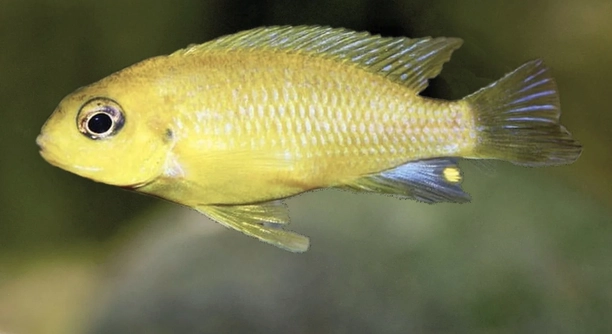
Keeping different fish species together requires understanding their behavior and needs. Many aquarium enthusiasts consider mixing cichlids with plecos for variety and balance in their tanks. It is important to know if these species can coexist peacefully.
Cichlids can be kept with plecos in most cases, provided the tank is spacious enough and the plecos have sufficient hiding places. Aggression levels vary among cichlid species, so choosing compatible types is crucial for maintaining harmony.
This article will explain how to create a suitable environment for both fish and highlight key factors to consider before mixing them.
Understanding Cichlid and Pleco Behavior
Cichlids are known for their territorial nature, which can sometimes lead to aggressive interactions in a shared tank. Plecos, on the other hand, are generally peaceful bottom dwellers that focus on grazing algae. Their different habits often allow them to coexist without many issues, but this depends on the specific species and tank setup. Providing plenty of hiding spots, such as caves and plants, helps reduce stress and territorial disputes. It is also important to monitor the tank closely, especially when introducing new fish, to ensure the cichlids do not harass the plecos. Tank size plays a big role here; a crowded environment can increase tensions and aggression. Maintaining clean water and proper filtration will support the health of both species. With proper care and attention to their needs, cichlids and plecos can thrive together in the same aquarium.
Tank space and hiding places are critical to keeping both species comfortable and safe.
Different cichlid species have varying temperaments. Some are more aggressive, which may not suit living with plecos. For example, larger, more aggressive cichlids tend to dominate the tank, making it hard for plecos to find safe spaces. Smaller, more peaceful cichlids are usually better tank mates. Matching species with similar water parameter needs also helps reduce stress. Plecos prefer hiding during the day and become more active at night, which can limit direct conflict with cichlids. Observing behavior regularly can help spot early signs of stress or bullying, allowing for timely intervention. Adjusting tank decor or rearranging territories can reduce aggression. Ultimately, understanding the personalities of your fish and respecting their natural behaviors creates a more harmonious environment.
Tank Setup for Compatibility
The aquarium should be spacious enough to support both species without overcrowding.
Choosing the right tank size is essential when keeping cichlids and plecos together. A larger tank gives each fish its own space, which reduces conflicts and stress. For many cichlid and pleco combinations, a minimum of 30 gallons is recommended, but bigger tanks work better to accommodate territorial behavior. Adding plenty of rocks, driftwood, and plants creates natural barriers and hiding spots that plecos need to feel secure. Plecos like to rest under driftwood or in caves during the day, so providing these features helps them stay safe from more aggressive cichlids. Keeping water parameters stable is also important; both fish prefer similar temperature and pH ranges. Regular maintenance, including water changes and monitoring filtration, supports a healthy environment. Proper tank design and careful species selection together improve the chances of peaceful coexistence.
Feeding Needs of Cichlids and Plecos
Cichlids and plecos have different dietary needs that require attention to maintain health.
Cichlids are primarily carnivorous or omnivorous, depending on the species. They need a diet rich in protein, including pellets, flakes, and occasional live or frozen foods like brine shrimp or bloodworms. Plecos are mostly herbivores, feeding on algae and plant matter. Their diet should include algae wafers, vegetables like zucchini or cucumber, and driftwood, which helps with digestion. Feeding both species appropriately reduces competition for food and promotes their well-being.
Feeding times and amounts should be adjusted to prevent leftover food, which can pollute the tank. Offering food in different tank areas ensures both species can eat without stress. Plecos often feed at night, so adding food after lights go out can help meet their needs without conflict. A balanced feeding routine supports peaceful coexistence by addressing their distinct nutritional requirements.
Signs of Stress and Conflict to Watch For
Behavior changes and physical injuries indicate stress or conflict between fish.
Watch for signs like hiding, loss of appetite, or aggressive chasing. Cichlids may display increased territorial behavior, chasing plecos or other tank mates. Plecos showing damaged fins or scratches suggest bullying. Stress weakens immune systems, making fish prone to illness. Early detection allows adjustments in tank setup or fish grouping to reduce tension.
If aggression is persistent, separating the fish or rearranging tank décor may be necessary. Ensuring plenty of hiding spots and reducing overcrowding helps lower stress. Regular observation helps maintain a healthy, peaceful aquarium environment for both cichlids and plecos.
Choosing Compatible Species
Some cichlid species are naturally more aggressive than others.
Peaceful cichlids, such as keyhole or jewel cichlids, tend to do better with plecos. Avoid pairing plecos with large, highly territorial species like certain African cichlids to prevent conflict.
Water Parameters and Maintenance
Both cichlids and plecos thrive in similar water conditions, typically between 74°F and 82°F and a pH of 6.5 to 7.5. Regular water changes and good filtration are necessary to keep ammonia and nitrate levels low. Stable water quality helps reduce stress and supports healthy fish behavior. Monitoring these parameters frequently prevents sudden changes that could upset either species.
Tank Decorations and Environment
Providing plenty of caves, driftwood, and plants helps reduce territorial disputes and offers plecos hiding places.
Decorations also improve water quality by supporting beneficial bacteria. A well-structured tank creates a safer space for all fish.
FAQ
Can plecos survive with aggressive cichlids?
Plecos can sometimes survive with aggressive cichlids, but it depends on the severity of the aggression and tank conditions. Providing enough hiding spots and a large tank reduces risks. However, very aggressive cichlids may stress plecos, leading to injury or illness over time.
How can I tell if my pleco is stressed by cichlids?
Signs of stress include hiding excessively, loss of appetite, faded coloration, and damaged fins. Plecos may also become less active or show unusual behaviors. Watching for these signs early can help prevent serious problems by adjusting the tank setup or separating fish.
What size tank do I need for cichlids and plecos?
A minimum of 30 gallons is recommended, but larger tanks of 50 gallons or more provide better space for both species. More space reduces territorial conflicts and allows plecos to find enough hiding places, which is crucial for their comfort and safety.
Do plecos eat algae fast enough to control it in a cichlid tank?
Plecos do eat algae, but they may not keep it under control alone. Supplementing with algae wafers and vegetables ensures plecos stay healthy. Regular tank maintenance, such as water changes and cleaning, is still necessary to manage algae growth effectively.
Can plecos and cichlids have different feeding schedules?
Yes. Plecos are mostly nocturnal feeders, so feeding them after lights out works well. Cichlids usually feed during the day. Feeding at different times helps reduce competition and ensures both species get enough food without stress.
Are there any cichlids that should never be kept with plecos?
Very aggressive or large territorial cichlids, like some African cichlids (e.g., Mbuna species), often cause problems. These cichlids may constantly harass or attack plecos. It’s best to avoid pairing plecos with such species unless the tank is very large with many hiding spots.
How often should I clean the tank when keeping cichlids and plecos together?
Weekly water changes of 20-30% are ideal to maintain good water quality. Plecos produce a lot of waste, so good filtration and regular cleaning help prevent toxin buildup. Clean substrate and decorations to reduce harmful bacteria and keep fish healthy.
Can plecos damage cichlid eggs or fry?
Most plecos are peaceful and don’t harm eggs or fry intentionally. However, some larger plecos might disturb breeding sites while searching for food. Monitoring during breeding times and providing separate breeding tanks can help protect offspring.
Is it necessary to rearrange tank decorations when adding plecos or cichlids?
Rearranging decorations can reduce territorial behavior by disrupting established territories. Adding new hiding places or moving caves helps plecos feel safer and prevents cichlids from dominating specific areas. Regular adjustments may be needed as fish grow or behaviors change.
What is the best way to introduce plecos to a cichlid tank?
Introduce plecos slowly and observe interactions closely. It’s best to add plecos when cichlids are less territorial, such as during feeding times. Make sure plenty of hiding spots are available before introducing plecos to reduce stress and chances of aggression.
Can plecos and cichlids transmit diseases to each other?
Both species can carry common freshwater fish diseases like ich or fin rot, but they usually do not transmit illnesses specifically between species. Maintaining good water quality and quarantining new fish before introduction reduces the risk of disease spread in mixed tanks.
Are plecos compatible with all sizes of cichlids?
Plecos usually do well with medium to large cichlids. Very small cichlids may be at risk of accidental injury or stress if the pleco is large and territorial. Matching fish sizes carefully helps maintain a balanced and safe environment.
How can I provide enough hiding spots for plecos?
Use driftwood, caves, dense plants, and rocks to create hiding places throughout the tank. Plecos like to rest in dark, sheltered areas during the day. Multiple hiding spots spread across the tank allow plecos to avoid cichlid aggression and feel secure.
Is lighting important for keeping plecos with cichlids?
Plecos prefer dim lighting or shaded areas because they are nocturnal. Bright lights can stress them. Using floating plants or creating shaded zones with decorations helps plecos feel comfortable while still supporting cichlid needs.
Can plecos help keep the tank clean?
Plecos assist by eating algae and leftover food, but they don’t replace regular tank maintenance. They contribute to a cleaner environment but should not be relied on entirely for tank cleaning. Proper filtration and water changes remain essential.
What should I do if my cichlids keep attacking the plecos?
If aggression persists, consider separating the fish or increasing tank size and hiding places. Rearranging decorations can reduce territorial behavior. In some cases, choosing more peaceful cichlid species or relocating plecos may be necessary to ensure both species’ well-being.
Keeping cichlids and plecos together in the same tank can work well when certain conditions are met. Both fish have different behaviors and needs that should be carefully considered before combining them. Cichlids tend to be territorial and sometimes aggressive, while plecos are usually peaceful and spend most of their time near the bottom of the tank. Providing enough space and hiding spots helps both species feel secure and reduces conflicts. When the environment is right, cichlids and plecos can coexist peacefully without much trouble.
Tank size and setup play a major role in creating a balanced environment. A larger tank gives fish room to establish their own territories without constantly bumping into each other. Adding caves, driftwood, and plants offers places for plecos to hide and rest during the day. This is important because plecos are more active at night and prefer shelter when the tank lights are on. Maintaining clean water through regular changes and good filtration supports the health of all fish. Keeping water parameters stable is also essential since both species prefer similar temperature and pH ranges. Paying attention to these details makes a big difference in how well the fish get along.
Feeding habits and diet are another important factor to consider. Cichlids usually need a protein-rich diet, while plecos mostly eat algae and plant matter. Feeding them separately and offering appropriate foods for each species helps reduce competition and stress. Watching for signs of stress or aggression is key to catching problems early. If issues arise, adjusting tank decorations, increasing hiding places, or even separating fish may be necessary. Overall, careful planning and ongoing care help ensure both cichlids and plecos live comfortably in a shared aquarium. This creates a more enjoyable experience and a healthier environment for the fish.

Hello,
If you enjoy the content that we create, please consider saying a "Thank You!" by leaving a tip.
Every little bit helps us continue crafting quality advice that supports the health, happiness, and well-being of pets around the world, for pets of all shapes, sizes, and species.
We really appreciate the kindness and support that you show us!