
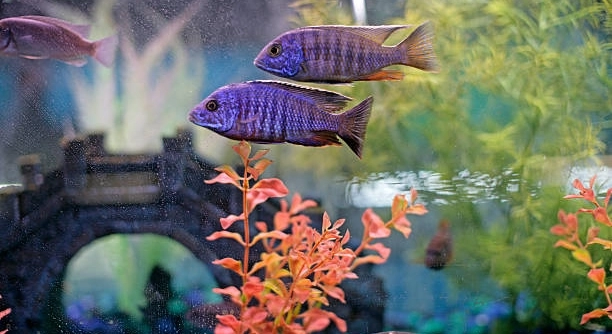
Are your cichlids showing signs of stress or injury? Bullying in a cichlid tank can be subtle but harmful. Recognizing these signs early helps keep your fish healthy and the tank environment balanced.
Bullying in a cichlid tank is identified by observing aggressive chasing, fin nipping, and hiding behavior. Dominant fish often control territory, causing stress and injury to others. Careful monitoring of interactions is essential for prevention and intervention.
Learning how to spot bullying will help you protect your fish and create a peaceful tank community. This guide will share key signs and helpful tips for managing your cichlids.
Common Signs of Bullying in Cichlid Tanks
Bullying among cichlids often shows through physical and behavioral changes. You might notice torn or missing fins, which are clear signs that one fish is repeatedly nipping another. Fish that hide more than usual or stay at the bottom of the tank could be stressed or trying to avoid an aggressive tank mate. Watch for chasing behavior, where one fish relentlessly follows another around. Color changes can also indicate stress, as bullied fish sometimes become pale or darker. It’s important to observe these signs regularly since bullying can lead to injury or even death if left unchecked. Early detection allows you to intervene before the situation worsens. Make note of which fish are aggressive and which are victims. Sometimes, rearranging decorations or adding hiding spots helps reduce aggression by breaking up territories and giving bullied fish safe places to retreat. Monitoring and responding quickly will improve the well-being of all your cichlids.
Aggressive chasing and fin damage are the most visible signs of bullying in your tank.
Adjusting tank layout and providing hiding spaces helps reduce conflict among cichlids.
Why Cichlids Bully Each Other
Cichlids are territorial fish by nature. They defend their space to protect food, breeding spots, or preferred hiding places. When the tank is too small or overcrowded, competition increases, which makes bullying more likely. Dominant fish establish hierarchy through displays of aggression, which can include chasing, nipping, or pushing other fish around. Stress from bullying weakens the immune system, making fish more vulnerable to disease. Sometimes, certain species are more aggressive than others, so mixing incompatible types can also lead to problems. Water conditions can affect behavior too; poor water quality causes stress, which can increase aggression. To manage bullying, provide enough space for each fish and keep the environment clean. Observing fish behavior daily will help you spot conflicts early. Removing the most aggressive fish or rearranging the tank can restore balance. Keeping compatible species and a proper fish count is key to a peaceful cichlid community.
Preventing Bullying in Your Cichlid Tank
Providing enough space is key to preventing bullying. A crowded tank increases stress and aggressive behavior. Make sure your tank size matches the number and species of your cichlids to avoid territorial disputes.
Adding plenty of hiding spots like rocks, plants, and caves helps reduce tension. These areas give shy or bullied fish a safe place to retreat and rest. Changing the tank layout occasionally can disrupt established territories, which may lower aggression. Introducing fish slowly and monitoring their behavior also helps maintain peace. Avoid mixing highly aggressive species with more peaceful ones to minimize conflict. Keeping water quality high and feeding your fish properly can reduce stress and limit bullying incidents.
Sometimes, separating the most aggressive fish or setting up a divided tank is necessary. If bullying persists despite changes, isolating problem fish temporarily can prevent injuries. Regular observation and quick action will keep your cichlids healthier and calmer.
Handling Injuries from Bullying
If you notice your cichlids with torn fins or wounds, treating injuries quickly is important to prevent infection. Isolate injured fish in a separate tank if possible to help them heal without stress. Keep the water clean and warm to promote faster recovery. Adding aquarium salt can help reduce the risk of infection and support healing.
Monitor the injured fish closely and consider using antibacterial treatments if wounds look severe or don’t improve. Avoid returning the fish to the main tank until it is fully healed and bullying behavior has lessened. Repairing injuries early helps maintain your fish’s health and prevents the spread of disease. If injuries happen often, reevaluate the tank setup or fish combinations to find a better balance.
Choosing the Right Cichlid Species
Some cichlids are naturally more aggressive than others. Research species behavior before adding new fish to your tank. Choose species with similar temperaments to reduce conflicts and bullying.
Avoid mixing highly aggressive cichlids with peaceful ones. Compatibility helps create a calmer environment and reduces stress for all fish.
Monitoring Tank Behavior Regularly
Spend time watching your fish every day. Early signs of bullying can be subtle and easy to miss. Noticing changes in swimming patterns or interactions helps catch problems before injuries happen.
Frequent observation allows you to act quickly, rearranging the tank or separating fish if needed. This daily attention improves the overall health and harmony of your cichlid tank.
Adjusting Tank Conditions
Maintaining stable water quality is essential. Poor conditions increase stress and aggression. Test water regularly and perform timely changes to keep fish comfortable and calm.
Feeding to Reduce Aggression
Feed your cichlids balanced meals multiple times a day. Well-fed fish are less likely to compete aggressively over food.
How can I tell if my cichlid is bullying others?
Bullying cichlids often chase other fish aggressively, nip at fins, or claim certain areas of the tank. Victims may hide more or show torn fins and stress colors. Watching fish interactions closely helps identify which fish are dominant and which are being bullied.
What tank size is best to reduce bullying?
Larger tanks with plenty of space help minimize bullying by giving fish room to establish separate territories. A general rule is at least 30 gallons for smaller species and 55 gallons or more for larger or more aggressive cichlids. Overcrowding leads to stress and fights.
Can rearranging tank decorations reduce aggression?
Yes, moving rocks, plants, and hiding spots breaks up established territories and confuses dominant fish. This reduces aggressive chasing because fish need time to reestablish their spaces. Changing the layout regularly keeps the environment dynamic and less stressful.
Is it necessary to separate aggressive fish?
Sometimes, yes. If a fish continually attacks others, isolating it temporarily can prevent injuries. Use a divider or a separate tank for recovery or to calm down aggressive individuals. Reintroduce carefully after behavior improves.
How do I treat injuries caused by bullying?
Move injured fish to a hospital tank if possible. Keep the water clean and warm. Use aquarium salt and antibacterial medications if wounds are severe. Avoid stress by limiting handling and return fish only after healing.
Does feeding affect bullying behavior?
Feeding smaller amounts more often helps reduce competition for food. Well-fed fish are less aggressive. Make sure all fish get enough food by spreading feeding spots across the tank.
Can I mix aggressive and peaceful cichlids?
It’s risky. Mixing very aggressive cichlids with peaceful species often leads to bullying. Choose species with similar temperaments to maintain harmony.
What role does water quality play in bullying?
Poor water quality causes stress, making fish more aggressive. Regular testing and water changes keep the environment healthy and calm, reducing chances of bullying.
Are certain cichlid species known for bullying?
Yes, some species like Mbunas and Frontosas are more territorial and aggressive. Knowing species behavior before buying helps prevent problems.
How many cichlids should I keep in one tank?
Avoid overcrowding. Follow species-specific guidelines, but generally keep fewer fish than the tank can comfortably hold. More space means less competition and fewer fights.
Will adding more hiding spots always stop bullying?
Hiding spots help but don’t guarantee peace. They reduce stress by giving bullied fish refuge, but aggressive behavior can still happen. Combined with space and proper species choice, hiding places are very helpful.
How often should I observe my tank for bullying?
Daily checks are best. Early detection of chasing or fin damage lets you act before injuries worsen. Regular observation keeps your fish healthy and stress-free.
Can I use tank mates other than cichlids to reduce bullying?
Non-cichlid tank mates sometimes distract aggressive fish, but this depends on species compatibility. Avoid smaller, slow-moving fish that could become easy targets.
What’s the best way to introduce new cichlids?
Introduce new fish slowly and carefully. Quarantine new arrivals to prevent disease. Add new fish during feeding times or rearrange decorations to lessen territorial fights.
How do I know if bullying is severe enough to remove a fish?
If injuries become frequent or a fish is constantly stressed and hiding, it may be best to remove the aggressive or bullied fish. Prolonged bullying harms the health and balance of the tank.
Are there natural behaviors mistaken for bullying?
Some chasing or chasing during breeding is normal. However, constant aggression or physical harm means bullying. Understanding species behavior helps distinguish between normal and harmful actions.
Can plants help reduce bullying?
Yes, live or artificial plants create barriers and hiding spots. Plants make the tank feel more natural and give bullied fish a place to escape.
How important is lighting in managing aggression?
Bright lighting can increase visibility and aggression. Using dimmer lights or floating plants to soften lighting can calm fish.
Does the time of day affect bullying?
Aggression often increases during feeding or breeding times. Monitoring behavior during these periods is important.
Is medication ever needed for aggressive behavior?
Medications usually treat infections from injuries, not aggression itself. Behavioral issues need environmental changes rather than drugs.
What signs show a fish is stressed from bullying?
Stress signs include hiding, loss of appetite, color changes, and lethargy. Early recognition helps prevent serious problems.
Bullying in a cichlid tank is a common challenge for many fish keepers. It happens when some fish become too aggressive and chase or nip at others. This behavior can cause stress, injury, and even death if not managed properly. Knowing how to spot bullying early is important to protect your fish and keep the tank environment peaceful. Watching for signs like torn fins, hiding fish, or constant chasing helps you take action before problems get worse. The health of your cichlids depends on your careful observation and timely response.
Creating a balanced tank setup plays a big role in reducing bullying. Providing enough space and hiding places lets fish feel safe and less competitive. Rearranging decorations now and then can stop dominant fish from claiming too much territory. Choosing species with similar temperaments is also helpful to avoid fights. Feeding your fish properly, with small meals several times a day, reduces food-related aggression. Maintaining good water quality keeps fish comfortable and calm. All these factors work together to create a healthier and more peaceful community of cichlids.
If bullying does happen, it is important to act quickly. Isolating aggressive fish or injured ones can prevent injuries from getting worse. Treating wounds with proper care helps fish recover faster and prevents infection. Sometimes, changing the tank’s layout or removing the most aggressive fish is needed for long-term peace. Daily observation and patience are key to understanding your fish and their behavior. Taking these steps will help your cichlid tank stay healthy, balanced, and enjoyable for both you and your fish.

Hello,
If you enjoy the content that we create, please consider saying a "Thank You!" by leaving a tip.
Every little bit helps us continue crafting quality advice that supports the health, happiness, and well-being of pets around the world, for pets of all shapes, sizes, and species.
We really appreciate the kindness and support that you show us!