
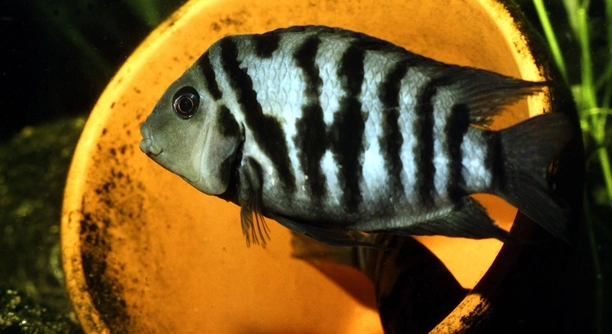
African cichlids are popular fish in home aquariums due to their bright colors and interesting behaviors. Sometimes, these fish float sideways, which can surprise many hobbyists. This unusual posture often signals a problem needing attention.
Floating sideways in African cichlids is usually caused by swim bladder issues. The swim bladder controls buoyancy, and when it malfunctions due to infection, injury, or poor water conditions, the fish loses its balance and floats abnormally.
Understanding why this happens helps in providing better care and improving the health of your cichlids over time.
Causes of Swim Bladder Problems in African Cichlids
Swim bladder problems in African cichlids can arise from several factors. One common cause is an infection, which can be bacterial or parasitic. These infections interfere with the swim bladder’s normal function, making it difficult for the fish to control its buoyancy. Another cause is physical injury. Sometimes, rough handling or collisions within the tank can damage the swim bladder or nearby organs. Poor water quality is also a major contributor. High levels of ammonia or nitrites can stress fish and lead to swim bladder disorders. Additionally, overfeeding or feeding inappropriate food can cause digestive issues that affect the swim bladder. Lastly, genetic defects or old age may play a role in some cases. Identifying the root cause can help in treating the fish effectively and preventing future problems.
Swim bladder problems are not always easy to spot early, but monitoring your fish closely can make a difference.
Many times, addressing water quality and adjusting diet can improve or even resolve swim bladder issues. Keeping the tank clean and feeding high-quality, appropriate food supports healthy digestion and buoyancy control. Infections may require medication, and if injuries are severe, the fish might need special care or isolation to recover. Maintaining a stable and stress-free environment also helps prevent recurrence. Regular observation and prompt action give your cichlids the best chance at staying healthy and swimming normally.
How to Help Your African Cichlid Float Normally Again
Keeping water clean and balanced is essential to your cichlid’s health. Regular water changes and testing for ammonia, nitrites, and nitrates help maintain a safe environment.
To help a cichlid with swim bladder issues, start by feeding peas that have been cooked and shelled. This can ease constipation, which often contributes to swim bladder problems. Also, reduce feeding amounts and frequency to avoid overloading the digestive system. If water quality is poor, improving it immediately will reduce stress and support healing. In some cases, medicated treatments prescribed by a vet or aquarium specialist may be necessary. Providing a quiet, stable tank environment with no aggressive tank mates reduces additional stress. With consistent care, many African cichlids can regain their normal swimming behavior over time.
Preventing Swim Bladder Issues in African Cichlids
Maintaining clean water and a balanced diet are the best ways to prevent swim bladder problems. Avoid overfeeding and choose high-quality food suited for cichlids.
Regular water changes help keep ammonia and nitrite levels low, which reduces stress and health risks. Feeding your fish a variety of foods including vegetables like peas can improve digestion. Avoid foods that are too fatty or hard to digest, as these can cause constipation and affect the swim bladder. Also, keep an eye on tank mates; aggressive fish can stress cichlids, making them more vulnerable to illness. Creating a stable environment with good water parameters and proper nutrition is key to keeping your cichlids healthy and swimming properly.
Paying attention to behavior changes early can prevent minor issues from becoming severe. If a fish starts floating oddly, test the water and check the diet first.
When to Consult a Vet for Your African Cichlid
If swim bladder problems persist despite proper care, professional help may be necessary. A vet can diagnose infections or internal injuries that are not obvious. Medication might be required to clear bacterial or parasitic infections affecting the swim bladder. In some cases, X-rays or other tests can identify problems inside the fish. Timely veterinary care improves chances of recovery, especially when symptoms worsen or do not improve within a few days. Watch for signs like lethargy, loss of appetite, or continuous floating issues. These may indicate the problem is more serious and needs expert treatment to prevent permanent damage or death.
Common Myths About Sideways Floating
Many believe sideways floating always means the fish is dying, but that is not true. Sometimes, it is a temporary issue that can be fixed with care.
Others think all swim bladder problems come from overfeeding. While diet plays a role, infections and water quality are equally important factors.
The Role of Tank Environment in Fish Health
The tank environment greatly affects an African cichlid’s wellbeing. Stable water temperature, proper filtration, and good circulation reduce stress and prevent illness. Overcrowding can lead to aggression and poor water conditions, which increase swim bladder problems. Regular cleaning and monitoring water parameters keep the habitat safe. Plants and hiding spots create a natural feel and lower stress. These factors work together to maintain healthy fish and reduce the chance of buoyancy disorders.
Signs That Swim Bladder Problems Are Getting Worse
If your cichlid stops eating or floats upside down, the problem is worsening. Immediate action is needed to prevent serious harm.
What causes African cichlids to float sideways?
African cichlids float sideways mainly due to swim bladder problems. The swim bladder is an organ that helps fish control their buoyancy. When it is damaged by infection, injury, or digestive issues, the fish can lose its ability to swim properly and end up floating sideways. Poor water quality and stress also contribute to this problem.
Can swim bladder issues be cured?
Yes, many swim bladder issues can be treated, especially if caught early. Improving water quality, adjusting diet, and treating infections with medication often help fish recover. However, some severe injuries or chronic conditions may be harder to fix and require ongoing care.
How can I improve my cichlid’s swim bladder health?
Keeping the tank clean and stable is key. Perform regular water changes and test water parameters often. Feed your fish high-quality food and avoid overfeeding. Adding cooked peas to the diet can help with digestion and reduce constipation, which affects the swim bladder.
Is overfeeding the main reason for swim bladder problems?
Overfeeding is a common cause but not the only one. Feeding too much or feeding improper food can lead to constipation and swim bladder issues. Still, infections, injuries, and poor water conditions are equally important causes.
How long does it take for a cichlid to recover?
Recovery time varies. Mild cases may improve within a few days after treatment, while severe cases can take weeks or may not fully recover. Consistent care and monitoring are essential during this period.
Should I isolate a fish that floats sideways?
Isolating the fish can reduce stress and prevent tank mates from bothering it. It also allows you to monitor the affected fish more closely and provide treatment more effectively. Use a quarantine tank with clean water and similar conditions to the main tank.
Can water temperature affect swim bladder health?
Yes, unstable or incorrect water temperatures can stress fish, weakening their immune system and increasing the risk of swim bladder problems. Keep the water temperature consistent and appropriate for African cichlids, usually between 75°F and 82°F (24°C–28°C).
Are swim bladder problems contagious?
Swim bladder issues themselves are not contagious, but the infections causing them can spread. Bacterial or parasitic infections may move between fish if the tank environment is not clean. Quarantine new fish before adding them to your tank to reduce risk.
What signs show that swim bladder issues are serious?
Signs include the fish floating upside down or unable to swim properly for more than a few days, refusing food, lethargy, or sudden weight loss. These symptoms suggest a serious problem that needs veterinary attention.
Can genetics cause swim bladder problems?
Genetics may play a role in some cases, especially in fish bred in captivity. Some strains may be more prone to swim bladder disorders. However, environment and care have a larger impact on swim bladder health.
Are there specific foods that help prevent swim bladder problems?
High-quality, easy-to-digest foods like pellets designed for cichlids are best. Vegetables such as shelled peas can help keep digestion smooth. Avoid feeding fatty or hard-to-digest foods, which can cause constipation and swelling affecting the swim bladder.
Is medication always needed?
Not always. Mild swim bladder problems caused by diet or water quality often improve without medication. However, infections usually require antibiotics or antiparasitic treatments prescribed by an expert. Never use medication without confirming the cause.
Can stress cause a cichlid to float sideways?
Stress weakens a fish’s immune system and can lead to swim bladder problems. Causes include aggressive tank mates, poor water quality, sudden changes in environment, and overcrowding. Reducing stress is important to prevent health issues.
What is the best way to monitor my fish for early signs?
Observe your fish daily for changes in behavior, swimming patterns, and appetite. Early signs include slight tilting while swimming or brief moments of floating oddly. Checking water parameters weekly helps spot potential problems before symptoms appear.
How do I prevent infections that affect the swim bladder?
Keep the tank clean, avoid overcrowding, and quarantine new fish. Regular water changes and good filtration reduce harmful bacteria. Feeding a balanced diet supports the immune system. Treat any signs of illness quickly to prevent spread.
Can swim bladder issues return after treatment?
Yes, if the underlying causes are not fixed, swim bladder problems may return. Continuous care with clean water, proper feeding, and stress reduction helps prevent relapse. Regular tank maintenance and observation are important to keep fish healthy long-term.
Swim bladder problems in African cichlids can be concerning, but they are often manageable with the right care. These issues usually happen because of infections, injuries, or problems with diet and water quality. The swim bladder helps fish control their buoyancy, so when it is not working properly, the fish can float sideways or have trouble swimming. Understanding the causes can help you act quickly and provide the best support for your fish. Early attention to changes in swimming behavior and water conditions can make a big difference in recovery.
Taking care of your tank environment is one of the most important steps in preventing swim bladder issues. Keeping the water clean and balanced with regular changes reduces stress and lowers the risk of infections. Feeding your cichlids a varied and appropriate diet helps avoid digestive problems that can affect the swim bladder. Avoid overfeeding and provide foods that are easy to digest, such as cooked peas. Providing a stable, calm environment with proper tank mates also supports your fish’s overall health. Regular monitoring and care can help keep your cichlids swimming normally and enjoying their space.
Sometimes, swim bladder problems may need more than just changes in diet and water. If symptoms continue or worsen, seeking advice from a vet or aquatic specialist is a good idea. They can diagnose infections or injuries that are not obvious and recommend treatments. With proper care and attention, many African cichlids recover well and return to their normal swimming behavior. Remember, staying observant and acting quickly when you notice changes is the best way to help your fish live a healthy life. Taking these steps shows how much you care and helps ensure your cichlids thrive in your aquarium.

Hello,
If you enjoy the content that we create, please consider saying a "Thank You!" by leaving a tip.
Every little bit helps us continue crafting quality advice that supports the health, happiness, and well-being of pets around the world, for pets of all shapes, sizes, and species.
We really appreciate the kindness and support that you show us!