
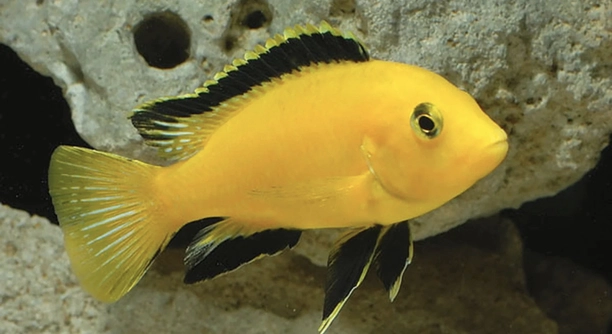
African cichlid aquariums create a lively underwater world that many fishkeepers enjoy. Adding plants can improve this environment by providing shelter and enhancing the tank’s look. Choosing the right plants helps keep the fish healthy and happy.
The best plants for African cichlid tanks are hardy species that can withstand the fish’s digging and territorial behavior. These include Anubias, Java Fern, Vallisneria, and Amazon Sword, which tolerate the water conditions and offer durable coverage.
Knowing which plants work well with cichlids helps you create a balanced and beautiful aquarium that supports the fish’s natural habits and wellbeing.
Why Choosing the Right Plants Matters
Adding plants to an African cichlid aquarium is not just for decoration. These fish tend to dig and rearrange their environment, which can damage delicate plants quickly. Choosing sturdy plants that can survive this behavior is important. Plants like Anubias and Java Fern have thick leaves and strong roots, making them less likely to be uprooted. Additionally, plants provide hiding spots that reduce stress for the fish, creating a healthier tank overall. They also help improve water quality by absorbing excess nutrients, which keeps algae growth under control. Selecting plants suited for the specific water conditions of cichlids, usually alkaline and hard water, supports their wellbeing. Taking time to research which plants match these needs can save frustration and maintain a balanced tank environment.
Using plants designed for tough conditions helps maintain a neat and thriving aquarium despite the active nature of African cichlids.
Good plant choices support fish health and keep the tank clean, making maintenance easier and more rewarding.
Anubias: A Tough Favorite
Anubias is popular because it is very tough and easy to care for. It can grow well attached to rocks or driftwood, which helps protect it from fish digging. It thrives in low light and does not require special fertilizers, making it perfect for beginners. The broad, thick leaves resist damage, and the plant grows slowly, so it doesn’t take over the tank quickly. African cichlids tend to leave Anubias alone, which means the plant stays healthy longer. Its slow growth means less trimming and maintenance, which many aquarists appreciate.
Anubias fits well in most cichlid tanks and offers reliable durability.
Java Fern: Resilient and Low Maintenance
Java Fern is another excellent choice for African cichlid aquariums because it shares similar hardy traits with Anubias. It grows attached to rocks or wood and has tough leaves that are not easy for fish to damage. Java Fern can tolerate a range of water conditions and low light, which fits well with cichlid environments. It doesn’t need substrate planting, so it avoids the digging problems caused by cichlids. It also grows slowly, so it won’t overwhelm the tank. Java Fern helps create a natural look while requiring little care.
For cichlid tanks, Java Fern is a dependable plant that adds greenery without extra work.
Vallisneria: Adding Height and Movement
Vallisneria is a grass-like plant that grows tall, providing good cover and vertical interest in the aquarium. It spreads quickly through runners, filling empty spaces and creating natural barriers. This can help reduce aggression by breaking line of sight between territorial cichlids. Vallisneria thrives in well-lit tanks and tolerates a range of water conditions, including harder, alkaline water favored by African cichlids. Although it is softer than Anubias or Java Fern, its long leaves are less likely to be targeted by fish digging near the substrate. Vallisneria helps oxygenate the water and supports a balanced ecosystem by absorbing nutrients. Regular trimming is necessary to control its growth and keep the tank looking tidy.
Its ability to fill spaces and add movement makes Vallisneria a valuable plant for larger cichlid tanks.
Amazon Sword: Classic and Effective
Amazon Sword is a classic aquarium plant known for its broad leaves and fast growth. It requires nutrient-rich substrate and moderate lighting to thrive. African cichlids may sometimes nibble on its leaves, but the plant’s size and thick foliage help it withstand mild damage. Amazon Sword provides excellent hiding spots for shy or juvenile fish, making it easier to manage aggressive tankmates. It also plays a role in filtering water by absorbing nitrates and other waste. Proper planting depth and occasional fertilizing will keep it healthy and growing. Its lush green color adds a natural feel to the aquarium and complements the bright hues of cichlid fish.
Choosing Amazon Sword enhances the tank’s natural beauty while supporting fish health and behavior.
Hornwort: Fast-Growing and Protective
Hornwort grows quickly and floats or anchors in the substrate, providing excellent cover for fish. Its dense foliage offers hiding places for shy cichlids and helps reduce aggression by breaking sightlines.
This plant tolerates a wide range of water conditions and can thrive in the alkaline, hard water typical of African cichlids. Hornwort absorbs excess nutrients, which helps control algae growth and improves water quality. Its rapid growth requires regular trimming to prevent overcrowding. Because it is a floating plant by nature, it can adapt to various tank setups and offers flexibility in how it’s used. Hornwort’s ability to create shaded areas also benefits fish that prefer lower light.
Hornwort is less likely to be damaged by digging because it is tough and flexible. This makes it a practical option for active African cichlid tanks, contributing both to the tank’s health and its visual appeal.
Cryptocoryne: Adaptable and Hardy
Cryptocoryne is a low-maintenance plant that adapts well to different aquarium conditions. It grows slowly but offers sturdy, broad leaves that cichlids generally leave alone. This plant does best in moderate light and needs a nutrient-rich substrate to thrive.
Its resilience allows Cryptocoryne to withstand occasional digging or disturbance, making it suitable for cichlid tanks. This plant also helps improve water quality by absorbing excess nutrients, which reduces algae growth. Because it spreads slowly, it requires less frequent trimming but may need patience to establish. Cryptocoryne’s variety of leaf shapes and colors adds subtle beauty to any aquarium setup, blending well with other plants. Its ability to thrive in harder water and tolerate the cichlids’ natural behavior makes it a smart choice for a balanced tank environment.
Java Moss: Easy and Versatile
Java Moss grows quickly and attaches easily to surfaces like rocks and driftwood. It provides shelter for small fish and fry without needing much care.
It thrives in low light and a wide range of water conditions, making it ideal for African cichlid tanks. Its dense growth helps improve water quality by trapping debris and absorbing nutrients.
Peacock Plant: Bright and Hardy
The Peacock Plant, with its colorful leaves, adds visual interest to cichlid tanks. It is sturdy enough to survive mild digging and tolerates a range of water conditions. This plant prefers moderate light and nutrient-rich substrate. Its thick leaves resist damage, making it a reliable option to brighten the tank while withstanding cichlid activity.
Water Wisteria: Fast-Growing
Water Wisteria grows quickly, filling empty spaces and providing good coverage. It absorbs excess nutrients, helping keep the water clean and preventing algae buildup.
Moss Balls: Low Maintenance
Moss Balls are easy to care for and resist damage from digging fish. They improve water quality by absorbing nitrates and add a simple natural look to the aquarium.
What plants are best for African cichlid tanks?
The best plants for African cichlid tanks are hardy species that can handle the fish’s digging and territorial nature. Plants like Anubias, Java Fern, Vallisneria, Amazon Sword, Hornwort, Cryptocoryne, and Java Moss are popular because they are durable and adapt well to alkaline, hard water conditions common in cichlid aquariums. These plants have tough leaves or grow attached to hard surfaces, making them less likely to be uprooted or eaten. Choosing these plants helps maintain a healthy, balanced environment while adding natural beauty to the tank.
How do I protect plants from cichlid damage?
Protecting plants from cichlids means selecting tough species and placing them thoughtfully. Use plants with strong roots or attach them to rocks or driftwood to avoid uprooting. Avoid delicate plants with soft leaves, as cichlids tend to nibble or dig near them. You can also create barriers with decorations or use pots with gravel to anchor plants better. Regular trimming helps keep plants healthy, and keeping the fish well-fed may reduce their interest in the plants. Keeping plants that grow slowly but are sturdy generally results in less damage.
Can African cichlids live with live plants?
Yes, African cichlids can live with live plants if the right species are chosen. They are active fish that dig and may uproot soft plants, but sturdy, slow-growing plants tolerate their behavior well. Live plants improve water quality by absorbing nutrients and provide hiding spots, reducing aggression. It’s important to create a tank environment that balances fish needs with plant care, ensuring both thrive together.
What lighting is best for planted cichlid tanks?
Moderate lighting works best for planted African cichlid tanks. Many hardy plants like Anubias and Java Fern grow well in low to medium light. Strong lighting can encourage algae growth, which may cause more maintenance. Use a timer to provide consistent light periods, around 8 to 10 hours daily, to support plant growth without stressing the fish or encouraging algae blooms.
Do African cichlids eat aquarium plants?
Some African cichlids may nibble on plants, but they mostly damage them by digging. Tough plants with thick leaves, like Anubias and Java Fern, are less likely to be eaten. Softer plants may suffer more. Offering a balanced diet to your cichlids can reduce their tendency to snack on plants.
How often should I trim plants in a cichlid tank?
Trimming depends on the plant species and growth rate. Fast growers like Hornwort and Water Wisteria may need trimming every few weeks to prevent overcrowding. Slow growers like Anubias and Java Fern require less frequent trimming, sometimes only a few times per year. Regular trimming promotes healthy growth and prevents dead or decaying leaves that can harm water quality.
Can I use fertilizers in an African cichlid aquarium?
Yes, but use fertilizers carefully. Some African cichlids prefer hard, alkaline water, so choose fertilizers that won’t alter these conditions. Liquid fertilizers designed for aquarium plants or root tabs can support growth without harming fish. Avoid excess fertilizer, as this can lead to algae blooms or water quality issues. Always monitor water parameters when using supplements.
What substrate works best for planted cichlid tanks?
A nutrient-rich substrate helps plants like Amazon Sword and Cryptocoryne grow well. However, African cichlids like to dig, which can disturb the substrate. Using heavier gravel or sand can reduce uprooting. Placing plants in pots with substrate or attaching them to hard surfaces also helps protect roots. Balancing fish behavior and plant needs is key.
How can plants help reduce aggression in cichlid tanks?
Plants provide hiding spots and visual barriers that break up sightlines, helping reduce territorial aggression. Tall or bushy plants like Vallisneria or Hornwort create natural boundaries, giving fish places to retreat. This can lower stress and conflict, improving overall tank harmony.
Are floating plants suitable for African cichlid tanks?
Floating plants like Hornwort can work well because they provide shade and cover without being easily disturbed. However, fast growth requires frequent trimming to prevent blocking light. Floating plants also absorb excess nutrients, improving water quality. They add variety and natural shelter to the aquarium environment.
Choosing the right plants for an African cichlid aquarium is important to create a healthy and balanced environment. These fish are active and can dig or move things around in the tank, so picking plants that are tough and can handle this behavior is key. Plants like Anubias, Java Fern, and Vallisneria are good choices because they have strong leaves and roots, which help them stay in place and survive even when the fish are digging. Adding the right plants not only helps improve the look of the tank but also gives the fish places to hide and feel safe, reducing stress.
Maintaining plants in a cichlid tank requires some care but is not difficult if you choose hardy species. Regular trimming helps keep the plants healthy and prevents them from taking over the tank. It is also important to provide moderate lighting and avoid over-fertilizing, as too much light or nutrients can lead to algae growth. Many of the recommended plants grow slowly and need little extra care, making them perfect for beginners or those who want a low-maintenance aquarium. By balancing the needs of both fish and plants, you can create a stable and enjoyable environment.
Overall, using live plants in an African cichlid tank brings many benefits. Plants help improve water quality by absorbing waste and nutrients, which helps keep algae under control. They also add natural beauty and help mimic the fish’s natural habitat, making the aquarium more comfortable for them. Taking the time to select and care for the right plants will enhance the health and happiness of your cichlids. With patience and attention, it’s possible to have a vibrant, thriving tank that combines the lively nature of African cichlids with the calming presence of live plants.

Hello,
If you enjoy the content that we create, please consider saying a "Thank You!" by leaving a tip.
Every little bit helps us continue crafting quality advice that supports the health, happiness, and well-being of pets around the world, for pets of all shapes, sizes, and species.
We really appreciate the kindness and support that you show us!