
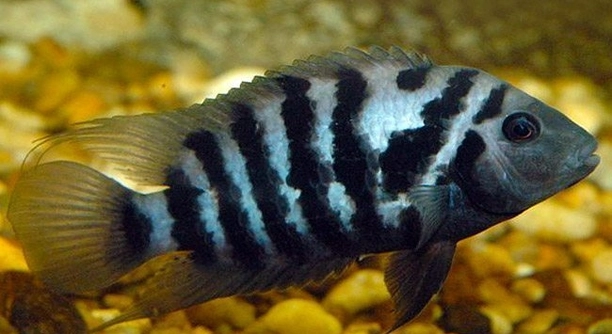
Have you ever set up a beautiful tank for your cichlids, only to second-guess if your tap water is safe for them?
Tap water can be used for cichlids, but it must be properly treated to remove chlorine, chloramine, and heavy metals. The water’s pH, hardness, and temperature should also match the specific needs of the cichlid species being kept.
From water conditioners to testing kits, there are steps that can help you create a healthy, stable environment your cichlids can thrive in.
Why Tap Water Needs Treatment for Cichlids
Tap water straight from the faucet might seem harmless, but it often contains chemicals that are unsafe for fish. Most municipal water has chlorine or chloramine, which can irritate and damage a cichlid’s gills. These substances are added to make tap water safe for humans but are harmful to aquarium life. Heavy metals like copper and lead can also be present, depending on your area’s plumbing. Before using tap water, always use a water conditioner that neutralizes chlorine and detoxifies metals. Some conditioners also handle chloramine, which requires special treatment. A basic dechlorinator may not be enough if your water contains both chlorine and ammonia, which combine to form chloramine.
Water conditioners are easy to find and simple to use. Just follow the instructions on the bottle before adding tap water to your tank.
It’s also helpful to let treated tap water sit for 24 hours. This helps it reach room temperature and gives time for any remaining gases to dissipate.
Matching Water Parameters to Your Cichlids
Not all cichlids need the same type of water. Some prefer soft water, while others thrive in hard, alkaline conditions.
Cichlids come from different parts of the world, and each group has specific needs. African cichlids from the Great Rift Lakes—like Lake Malawi and Lake Tanganyika—prefer high pH and hard water. These lakes have stable mineral-rich environments, so the cichlids from there are sensitive to water changes. On the other hand, South American cichlids such as angelfish and discus usually prefer soft, slightly acidic water. Knowing your cichlid’s origin helps you match their ideal water chemistry.
Use a water testing kit to check your pH, general hardness (GH), and carbonate hardness (KH). If the parameters don’t match your fish’s needs, there are safe ways to adjust them. Crushed coral, limestone, and certain substrates can raise pH and hardness. For softer water, you might use reverse osmosis (RO) water mixed with tap water. Make adjustments slowly to avoid stressing the fish. Stable conditions are more important than perfect numbers.
How to Safely Prepare Tap Water for Cichlids
Start by using a good-quality water conditioner that treats both chlorine and chloramine. This is the most important step before adding any tap water to your aquarium. Always follow the instructions on the label carefully.
After conditioning the water, check the temperature to match your tank’s current conditions. Cichlids are sensitive to sudden changes, so use a thermometer to make sure the water isn’t too cold or too warm. Pour the treated water in slowly to avoid disturbing the substrate or plants. If possible, use a clean container dedicated only to aquarium use. This reduces the chance of introducing soap residue or harmful chemicals. Keep a regular schedule for water changes, usually around 20–30% once a week, to help maintain stable conditions.
Using a water testing kit once a week will help you monitor pH, hardness, and ammonia levels. This way, you can catch any changes early and make adjustments before they affect your fish.
Common Mistakes When Using Tap Water
Skipping water conditioner is one of the most common issues. Chlorine and chloramine can harm your cichlids quickly. Another mistake is adding water that’s too cold or too hot, which can stress or even shock your fish.
Using untreated tap water directly in the tank can lead to sudden drops in fish activity and appetite. Cloudy water, gasping at the surface, and fin clamping are all signs something is off. Some people rely only on dechlorinators that don’t handle chloramine, which can be dangerous. Others don’t test their water regularly, assuming it’s always safe. But tap water quality can change depending on your area’s plumbing or seasonal treatments. Using soaps or dirty buckets can also introduce harmful residues into the tank. Stick to clean, aquarium-dedicated tools and always double-check product labels before adding anything to your tank. Simple habits like these can make a big difference for your cichlids’ health.
Benefits of Using Tap Water with Proper Treatment
Properly treated tap water is affordable and easy to access. You don’t have to rely on specialty water sources or expensive systems. Once conditioned, it can provide a stable environment for most cichlid species.
Tap water also contains essential minerals that can benefit certain cichlids. When balanced, these minerals help support healthy growth, vibrant colors, and active behavior.
When to Consider Alternatives to Tap Water
If your tap water is extremely hard, soft, or contains high levels of contaminants, it may not be suitable even with treatment. In these cases, reverse osmosis (RO) water or a mix of RO and tap water might be a better option. RO systems remove most impurities, giving you more control over water parameters. This is especially helpful for sensitive cichlid species like discus or rams. Distilled water, however, lacks minerals and should never be used alone. Always research your cichlid’s specific needs before switching water sources, and make any changes gradually to avoid stressing your fish. Stability is key.
Final Thoughts on Tap Water for Cichlids
Tap water is safe for cichlids when properly treated and matched to their needs. Keep conditions stable, and your fish will thrive.
FAQ
Can I use tap water for cichlids without any treatment?
No, untreated tap water should never be used for cichlids. It often contains chlorine, chloramine, and sometimes heavy metals, which are harmful to fish. These chemicals can damage a cichlid’s gills, reduce oxygen levels in the water, and cause stress or illness. Even if your water smells and looks clean, it can still contain invisible substances that are dangerous for aquarium life. Always use a water conditioner designed to neutralize chlorine and chloramine before adding tap water to your tank. This step is essential for keeping your cichlids safe and healthy.
How often should I change the water in a cichlid tank?
A good rule is to change 20–30% of the water once a week. This helps remove waste, balance minerals, and reduce harmful chemicals that may build up over time. Smaller, regular water changes are better than large, infrequent ones. Changing too much water at once can stress your cichlids due to sudden changes in temperature or chemistry. Always match the temperature of the new water to the tank’s current temperature, and treat it first with a conditioner. Monitoring water quality weekly can help you adjust your schedule if needed.
What should I test for in tap water before using it for cichlids?
You should test for pH, general hardness (GH), carbonate hardness (KH), ammonia, nitrite, and nitrate. These readings help you understand how your tap water compares to what your cichlids need. African cichlids usually prefer hard, alkaline water, while South American cichlids often need softer, more acidic water. Tap water varies greatly depending on where you live, so testing is important. A reliable liquid test kit gives better results than test strips. Keeping track of your results can help you make gradual changes and avoid sudden spikes that might stress your fish.
Can I let tap water sit out instead of using a conditioner?
Letting tap water sit for 24 to 48 hours can remove chlorine, but it will not remove chloramine. Many water systems now use chloramine, which is more stable and doesn’t evaporate like chlorine does. This means simply letting the water sit is not enough in most cases. Using a water conditioner is the safest and most effective method. If your area only uses chlorine, letting the water sit may help, but it’s still safer to use a conditioner to be sure everything harmful is removed before the water touches your fish.
Is it safe to mix tap water with reverse osmosis (RO) water for cichlids?
Yes, mixing tap water with RO water can help adjust water hardness and pH levels. RO water is very pure and lacks minerals, so it’s not suitable on its own. But when mixed with tap water, you can create a balanced blend that matches your cichlid’s needs. This method works well if your tap water is too hard or too soft. Always test the final mix before adding it to the tank. Make sure the temperature is right and use a conditioner if you’re still using tap water in the mix.
What happens if I use water that’s too cold or too hot?
Water that’s too cold can slow down your cichlid’s metabolism, while water that’s too hot can cause stress and reduce oxygen levels. Either extreme can lead to health issues or even shock. Always use a thermometer to check the temperature of the water you’re adding. Try to match it as closely as possible to the tank’s existing temperature. Sudden changes, even a few degrees, can be harmful. Some people keep a spare heater to warm water during colder months. A consistent temperature helps maintain your cichlids’ immune system and energy levels.
Do all cichlids need the same type of water?
No, different species of cichlids need different water conditions. African cichlids from lakes like Malawi and Tanganyika do best in hard, alkaline water. South American cichlids, such as angelfish and discus, prefer softer, slightly acidic water. Before adding any cichlids to your tank, research their natural habitat and try to match the water conditions. Keeping incompatible species in the same tank can cause stress and health problems, especially if their needs are very different. Always plan your aquarium setup based on the type of cichlids you want to keep.
Is bottled water better than tap water for cichlids?
Not necessarily. Bottled water can be expensive and may not contain the minerals your fish need. Some bottled waters are actually just purified tap water, and others may have added minerals that don’t suit your fish. Distilled water, in particular, lacks all minerals and should never be used alone. If your tap water is very poor, using a mix of bottled and tap water might help, but it’s better to use a water treatment method like RO systems or conditioners to make your tap water safe. Always check the label if you choose bottled water.
Final Thoughts
Using tap water for cichlids can be safe, as long as it is properly treated and matched to the needs of your fish. Tap water is easy to access and usually contains useful minerals that some cichlids benefit from. However, it also comes with risks like chlorine, chloramine, and heavy metals. These chemicals are meant to keep water safe for people, but they are harmful to fish. That’s why it’s so important to use a good water conditioner before adding tap water to your tank. Treating the water is a simple step that helps prevent serious problems for your cichlids.
Along with treatment, it’s also important to check the water’s pH, hardness, and temperature. These values should match what your specific cichlid species needs. African cichlids often do best in harder, more alkaline water, while many South American cichlids prefer soft, slightly acidic conditions. Using a test kit regularly will help you catch changes before they become serious. If your tap water isn’t a good fit, you can adjust it by mixing with reverse osmosis water, using special substrates, or adding minerals. These adjustments should always be done slowly and with care. Sudden changes can stress your fish, even if your intentions are good. Stability matters more than trying to make the water “perfect.”
Tap water can be a reliable option, especially if you keep up with regular maintenance. Doing weekly water changes, testing your water, and avoiding harmful chemicals will go a long way in keeping your cichlids healthy. Having the right tools and staying consistent makes a big difference. Avoid shortcuts like skipping water treatments or rushing into major changes. Taking time to understand your water and your fish’s needs is key. With proper care, treated tap water can support a clean, stable tank where your cichlids can grow, show their colors, and act naturally. In the end, it’s not just about what type of water you use, but how you manage it. A little attention goes a long way toward keeping your tank in good shape.

Hello,
If you enjoy the content that we create, please consider saying a "Thank You!" by leaving a tip.
Every little bit helps us continue crafting quality advice that supports the health, happiness, and well-being of pets around the world, for pets of all shapes, sizes, and species.
We really appreciate the kindness and support that you show us!