
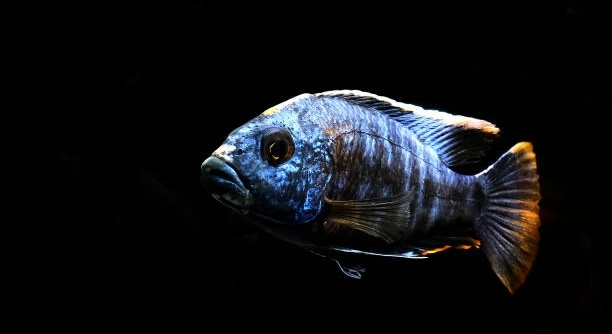
African cichlids are popular aquarium fish known for their vibrant colors and lively behavior. Feeding them the right foods is important to keep them healthy and active. Some foods can harm them, so knowing what to avoid is key.
African cichlids should never eat foods high in fat, processed human snacks, raw potatoes, spinach, ice plant, rhubarb, or foods containing preservatives and toxins. These can cause serious digestive problems, malnutrition, or even death.
Avoiding these harmful foods will help your cichlids thrive and maintain their bright colors and energy for years to come.
Foods High in Fat
Foods that are high in fat can cause serious health issues for African cichlids. These fish have sensitive digestive systems that do not process fat well. Feeding them fatty foods can lead to obesity and fatty liver disease. Over time, this affects their ability to swim and survive. Fish flakes or pellets meant for other species sometimes have too much fat. It’s better to choose specially made cichlid food that balances protein and fat correctly. Avoid feeding leftover human food like fried snacks or greasy meats, as these are not natural to their diet. A steady diet of lean protein and vegetables helps keep them healthy. Watching their weight and behavior is important to catch problems early. Proper feeding supports their bright colors and active behavior. Many fish owners learn the hard way when their fish stop eating or become lethargic. Sticking to low-fat foods makes a big difference.
Fatty foods are unsafe and can shorten your cichlids’ lifespan.
Avoid foods with oils, butter, or fried coatings to protect your fish’s health.
Processed Human Snacks
Processed snacks, like chips, crackers, or candy, are not meant for African cichlids. These foods often contain salt, artificial flavorings, and preservatives. Such ingredients disrupt the fish’s natural digestion and can cause stress. Salt in particular can harm freshwater fish by upsetting the balance of their internal fluids. Even small amounts can build up over time and damage their kidneys or gills. Preservatives may poison the fish slowly and lead to long-term illness. Processed snacks also lack essential nutrients cichlids need to grow and stay strong. While it might be tempting to share some leftovers, it is best to avoid this completely. Feeding snacks can confuse the fish about what food is good for them. Instead, use fresh or specially formulated foods designed for aquarium fish. This keeps your cichlids energetic and healthy without risking illness. A clean, balanced diet ensures your tank remains a safe environment. Many hobbyists find that sticking to proper fish food reduces health problems dramatically.
Raw Potatoes
Raw potatoes contain solanine, a toxic substance harmful to African cichlids. Even small amounts can cause digestive upset and poisoning, so these should never be fed to your fish.
Solanine in raw potatoes affects the nervous system of cichlids, leading to weakness and possible death. Cooking potatoes destroys solanine, but even cooked potatoes are not suitable since they lack nutrients needed by these fish. Feeding potatoes can block their digestive system because of starch content, causing discomfort and long-term health issues. It is safer to offer vegetables like peas or spinach in moderation, which provide better nutrients without the risks. Avoid feeding any part of the potato plant or tuber to protect your fish’s health.
If you want to add vegetables, focus on those known to be safe for African cichlids instead of experimenting with potatoes.
Spinach
Spinach contains oxalates that bind calcium, making it unavailable for cichlids and potentially causing nutritional deficiencies. It can also lead to kidney problems over time if fed regularly. Oxalates reduce the fish’s ability to absorb calcium, an essential mineral for bone health and other bodily functions. While spinach is rich in vitamins for humans, it is not suitable for African cichlids due to these compounds. Feeding spinach occasionally in very small amounts is unlikely to cause harm, but it is best avoided altogether to prevent risks. Better vegetable options include blanched zucchini or cucumber slices, which provide vitamins without harmful chemicals. Maintaining a diet free of oxalate-rich foods helps keep your fish strong and healthy. Many aquarium keepers avoid spinach to prevent these hidden dangers.
Ice Plant
Ice plant contains compounds that can be toxic to African cichlids. Feeding it risks digestive issues and poor health. It’s best to avoid this plant entirely.
Even small amounts can cause discomfort or illness. Freshwater fish like cichlids need safer plant options that don’t carry these risks.
Rhubarb
Rhubarb leaves are highly toxic due to oxalates and anthraquinone compounds. These substances can harm cichlids’ kidneys and digestive systems. Even a little exposure may cause severe health problems or death.
Avoid feeding rhubarb or its leaves to keep your fish safe and healthy.
Foods with Preservatives and Additives
Many packaged foods contain preservatives and additives harmful to African cichlids. These chemicals can cause stress, damage organs, and reduce lifespan. Even small amounts can build up in their system over time. Feeding only fresh or specially prepared fish food helps prevent these risks. Always check labels carefully and avoid human snacks or foods not designed for fish. Keeping your cichlids on a natural diet supports their well-being and bright colors.
Avoid These Foods Always
Consistently avoiding these harmful foods is key to maintaining healthy African cichlids.
FAQ
What happens if African cichlids eat harmful foods?
Eating harmful foods can cause serious health problems for African cichlids. Their digestive systems are sensitive, so fatty or toxic foods may lead to bloating, constipation, or diarrhea. Over time, these issues can weaken their immune system and make them more vulnerable to diseases. In some cases, eating dangerous foods can cause organ failure or death. It’s important to provide a diet that matches their natural needs to keep them healthy.
Can I feed my African cichlids human vegetables like lettuce or carrots?
Not all human vegetables are safe. Lettuce has little nutritional value and can cause water pollution if it decays. Carrots can be given in very small amounts but should be cooked and softened first. Always research or ask about each vegetable before feeding. Safe options include peas, zucchini, and spinach sparingly. Avoid raw potatoes and plants with toxins.
How often should I feed my African cichlids?
Feed your cichlids small amounts two to three times a day. Overfeeding can lead to poor water quality and health problems. Only give what they can eat within a few minutes. Remove leftover food to keep the tank clean.
Are frozen or live foods safe for African cichlids?
Yes, frozen or live foods like brine shrimp, bloodworms, or daphnia are good protein sources. They mimic natural prey and support growth and color. However, avoid feeding wild-caught live foods that might carry diseases or parasites. Always buy from trusted suppliers.
Is it okay to feed my cichlids flakes or pellets?
Flakes and pellets made specifically for African cichlids are a good staple. They provide balanced nutrients suited to their needs. Avoid flakes designed for other fish types, as they may have too much fat or wrong ingredients.
Can African cichlids eat fruits?
Most fruits are not recommended. They are too sugary and can upset digestion. Some keepers offer very small amounts of peeled cucumber or melon as treats, but these should be given rarely and in tiny portions.
What signs show my cichlid has eaten something bad?
Watch for bloating, loss of appetite, lethargy, or unusual swimming. White stringy feces or gas bubbles can also indicate digestive trouble. If you notice these signs, stop feeding new foods and test water quality.
How can I ensure a balanced diet for my African cichlids?
Feed a mix of high-quality pellets or flakes with occasional live or frozen foods. Add safe vegetables like peas or zucchini. Avoid fatty, processed, or toxic foods. Regularly clean the tank and monitor fish health for the best results.
Are there any quick home remedies if my cichlid eats harmful food?
If you suspect your fish ate something bad, do a partial water change to improve tank conditions. Offer fasting for 24 hours to clear the digestive system. Activated charcoal in the filter may help absorb toxins. For serious cases, consult a vet or aquarium expert.
Can feeding the wrong foods affect my cichlids’ color?
Yes. Poor diet can dull their vibrant colors and reduce their energy. Healthy, balanced nutrition helps maintain bright and natural hues. Proper feeding is essential for both health and appearance.
When caring for African cichlids, the food you choose plays a big role in their health and happiness. Feeding them the wrong foods can cause many problems, from digestive issues to long-term diseases. It’s important to avoid items like fatty foods, processed human snacks, raw potatoes, spinach, ice plant, rhubarb, and anything with preservatives or additives. These foods can harm your fish in ways that might not be obvious at first but get worse over time. Keeping their diet natural and balanced helps them live longer and stay active.
Providing African cichlids with the right nutrition means focusing on foods designed specifically for their needs. Pellets and flakes made for cichlids are a good base, as they contain the proteins and nutrients these fish require. Adding safe live or frozen foods, like brine shrimp or bloodworms, can also boost their diet. Vegetables such as peas or zucchini are good choices to include occasionally, but it’s best to avoid plants and veggies known to be toxic or harmful. Watching your fish’s behavior and appearance can help you spot problems early. Healthy fish will be bright, energetic, and eager to eat, while signs like bloating or lethargy can indicate a poor diet or illness.
Overall, feeding African cichlids carefully and thoughtfully is key to maintaining a healthy aquarium. Avoiding harmful foods and offering balanced nutrition supports their immune system and natural beauty. It’s worth taking the time to learn about what they should and shouldn’t eat, because a good diet can prevent many common health problems. A well-fed cichlid is a happy fish, and your care makes a big difference in how they thrive in their environment. Making smart food choices helps you enjoy watching these colorful fish flourish for years.

Hello,
If you enjoy the content that we create, please consider saying a "Thank You!" by leaving a tip.
Every little bit helps us continue crafting quality advice that supports the health, happiness, and well-being of pets around the world, for pets of all shapes, sizes, and species.
We really appreciate the kindness and support that you show us!