
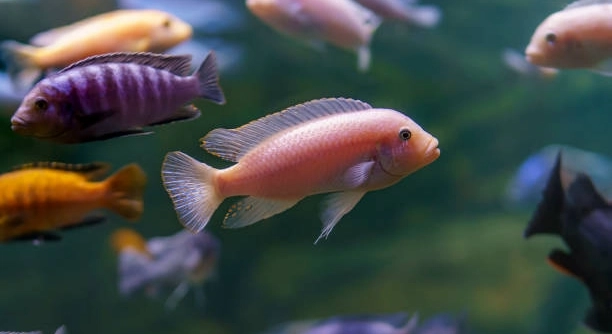
African cichlids are popular aquarium fish known for their bright colors and lively behavior. Many fish owners wonder how these active creatures spend their nights. Understanding their rest patterns can help improve their care and environment.
African cichlids do sleep at night, though their sleep is different from mammals. They enter periods of reduced activity and lowered responsiveness to rest and conserve energy, usually during nighttime or in dim light conditions.
Knowing how African cichlids rest can help you create a better habitat for them and keep them healthy and happy in your aquarium.
How African Cichlids Sleep
African cichlids do not sleep like humans do. Instead, they enter a state of rest where their activity slows down. During this time, they stay still or hover gently in one spot. Their breathing and movements become less frequent, which helps them save energy. This rest usually happens at night when the aquarium lights are off or dimmed. It’s important to provide a calm environment during this time so they can rest properly. Sudden movements or bright lights can disturb them and cause stress. In their natural habitat, these fish find safe places among rocks or plants to rest without feeling threatened. Replicating these conditions in your tank, like having hiding spots and low light at night, supports their natural sleeping habits. This rest helps maintain their health and behavior during the day, making them more active and colorful.
African cichlids rely on environmental cues like light to know when to rest.
Creating a peaceful space in the tank encourages healthy sleep patterns. With proper rest, these fish stay energetic and vibrant. Offering places to hide and maintaining a regular light cycle mimics their natural routine, improving their overall well-being. Understanding these needs can make your aquarium a better home for them. When their rest is uninterrupted, their behavior remains balanced, and their colors appear brighter. These simple changes can make a noticeable difference in their daily activity and health.
Signs Your Cichlids Are Resting
When your African cichlids are resting, they move less and often stay near shelter or the tank bottom.
Resting fish may close their eyes partially or hover quietly with minimal fin movement. They might also retreat to less visible areas. Watching for these signs helps you know when to keep the environment calm. Avoid tapping on the glass or turning on bright lights during these times to prevent disturbing them. Regular observation will teach you how your fish behave when resting, making it easier to provide a comfortable habitat. Respecting their rest periods supports their immune system and reduces stress, which can prevent illness. By noticing these subtle signs, you help your cichlids stay healthy and live longer in your care. Keeping a routine with consistent light and dark cycles is one of the easiest ways to support their natural rhythms and ensure proper rest.
Why African Cichlids Need Rest
Rest helps African cichlids recover energy and maintain good health. Without proper rest, they become stressed and vulnerable to disease.
Rest allows their bodies to repair and their brains to process daily activity. Stress from constant activity can weaken their immune system. A well-rested cichlid is more active, displays brighter colors, and behaves normally. In the wild, rest periods protect them from predators by reducing movement at night. In an aquarium, mimicking natural rest times is important. Providing a quiet, dark environment supports these needs. This care improves their lifespan and quality of life, helping you enjoy their beauty for longer.
Sleep-like rest also plays a role in their learning and memory. It helps them remember territory boundaries and social interactions. Without enough rest, their behavior may become erratic or aggressive. Maintaining a consistent light-dark schedule in your tank encourages regular rest cycles. This simple change benefits their physical and mental health, ensuring a stable community in your aquarium.
How to Create a Rest-Friendly Aquarium
Keep the lights off or very dim for at least 8 to 10 hours each night. This signals to your cichlids that it’s time to rest. Avoid sudden bright light changes, as they can startle your fish.
Include hiding spots like rocks, caves, or plants where cichlids can feel safe during rest. These areas mimic natural shelters and reduce stress. Regular feeding times and a quiet environment also promote healthy rest. Minimizing noise and vibrations near the tank can help maintain calm conditions. A stable water temperature and clean water support overall well-being, contributing to better rest. These steps create a peaceful environment that respects your fish’s natural rhythms and helps them thrive.
Common Misconceptions About Cichlid Sleep
Many believe fish do not sleep, but African cichlids clearly show rest behaviors. Their rest looks different from human sleep, but it is essential.
Others think cichlids sleep all day, but they remain active during daylight and rest mostly at night.
Impact of Light on Cichlid Rest
Light plays a major role in regulating when African cichlids rest. Bright aquarium lights during night hours can disrupt their natural rest cycle. Consistent day-night light patterns help their bodies recognize when to be active and when to slow down. Without proper light control, fish may become stressed or restless. Too much light can cause irregular sleep patterns and affect their health. Using timers for aquarium lights can create a stable environment. This supports their natural rhythms and promotes restful behavior, keeping them healthier and more vibrant in your tank.
Can Cichlids Get Sleep Disorders?
Cichlids can experience rest disruptions caused by stress, illness, or poor tank conditions.
FAQ
Do African cichlids really sleep?
Yes, African cichlids do sleep, but their sleep looks different from human sleep. Instead of closing their eyes and lying still, they enter a resting state with reduced movement and lower responsiveness. This state usually happens during the night or when the tank lights are off.
How can I tell if my cichlids are sleeping?
You can tell by observing reduced activity. They may hover quietly near rocks or plants with minimal fin movement. Some might even partially close their eyes or retreat to sheltered spots. They won’t react quickly to disturbances during these rest periods.
Do cichlids need total darkness to sleep?
While complete darkness helps promote better rest, dim lighting can also work. It’s important to avoid sudden bright lights or constant illumination at night. A regular light-dark cycle helps regulate their natural rest rhythm.
Can I disturb my cichlids while they are resting?
It’s best to avoid disturbing resting cichlids. Sudden movements, tapping on the glass, or turning on bright lights can stress them and interrupt their rest. Stress from frequent disturbances can affect their health over time.
How many hours of rest do African cichlids need?
African cichlids typically need around 8 to 10 hours of rest during the night. This period allows their bodies to recover and maintain good health. Keeping a consistent day-night schedule supports this rest duration.
What happens if my cichlids don’t get enough rest?
Lack of proper rest can lead to stress, weakened immune systems, and poor health. You might notice changes in behavior like increased aggression, erratic swimming, or dull colors. Over time, insufficient rest can shorten their lifespan.
Can the aquarium setup affect my cichlid’s sleep?
Yes, the aquarium environment is very important. Bright lights, loud noises, or a lack of hiding spots can prevent cichlids from resting well. Providing places to hide and keeping the environment calm at night encourages proper rest.
Is it normal for cichlids to be active at night?
Most African cichlids are more active during the day and rest at night. However, some may show brief activity periods after dark. This behavior depends on the species and tank conditions but usually doesn’t mean they aren’t resting.
Can stress affect cichlid sleep patterns?
Stress can disrupt their rest and cause irregular sleep cycles. Factors like overcrowding, poor water quality, or aggressive tank mates increase stress. Managing these issues improves sleep and overall health.
Should I use a timer for my aquarium lights?
Using a timer is highly recommended. It creates a consistent light-dark cycle that helps regulate your cichlids’ natural rhythms. This regularity supports healthy rest and reduces stress caused by unpredictable lighting.
Do cichlids dream?
There’s no scientific proof that fish dream like mammals do. Their brains are different, and their sleep doesn’t involve the same deep stages. However, rest is still vital for their brain function and memory.
Can cichlids sleep in groups or alone?
Cichlids can rest either alone or near other fish, depending on their species and tank setup. Some prefer sheltered spots, while others rest in small groups for safety. Providing enough space and hiding places supports both behaviors.
How does water temperature affect cichlid rest?
Water temperature influences their metabolism and activity levels. If it’s too cold or too warm, cichlids may become restless or lethargic, affecting their rest quality. Maintaining stable, species-appropriate temperatures is key for healthy sleep.
Can nighttime feeding disturb cichlid sleep?
Feeding during the night can interrupt their rest and confuse their natural schedule. It’s better to feed them during daylight hours to support regular activity and rest patterns. Consistent feeding times help maintain their routine.
What signs show my cichlids are well-rested?
Well-rested cichlids are more active and curious during the day. Their colors look bright, and they interact normally with other fish. Calm behavior and healthy appetite also indicate good rest and overall health.
These answers cover common concerns about African cichlids and their sleep habits. Knowing these details helps create a better environment for your fish, promoting their well-being and longevity.
African cichlids do rest and need regular periods of calm to stay healthy. Their sleep looks different from ours because they don’t fully close their eyes or lie still. Instead, they slow down their movements and become less responsive, usually during nighttime or when the lights in the aquarium are dimmed. Providing a quiet and safe space where they can rest without stress is important for their well-being. When cichlids get the rest they need, they are more active, show brighter colors, and tend to behave normally. Proper rest is part of keeping them healthy and happy in an aquarium environment.
The way you set up your tank has a big impact on how well your cichlids rest. Maintaining a consistent light schedule with about 8 to 10 hours of darkness helps signal when it’s time to rest. Sudden bright lights or constant light can cause stress and disrupt their rest. It’s also important to provide places for them to hide, such as rocks, caves, or plants. These hiding spots give them a sense of security and reduce stress during rest periods. Keeping the water clean and at a stable temperature also supports their overall health, which in turn helps their rest quality. By creating a calm and stable environment, you allow your fish to follow their natural rest patterns.
Watching your African cichlids and understanding their behavior during rest can help you notice when something is wrong. If they seem restless or overly active at night, it could be a sign of stress, illness, or poor tank conditions. On the other hand, healthy fish will show clear signs of rest and then be lively during the day. Paying attention to these cues will guide you in adjusting their environment to better suit their needs. In the end, respecting their rest requirements is one of the simplest ways to improve their quality of life and ensure they thrive in your care for years to come.

Hello,
If you enjoy the content that we create, please consider saying a "Thank You!" by leaving a tip.
Every little bit helps us continue crafting quality advice that supports the health, happiness, and well-being of pets around the world, for pets of all shapes, sizes, and species.
We really appreciate the kindness and support that you show us!