
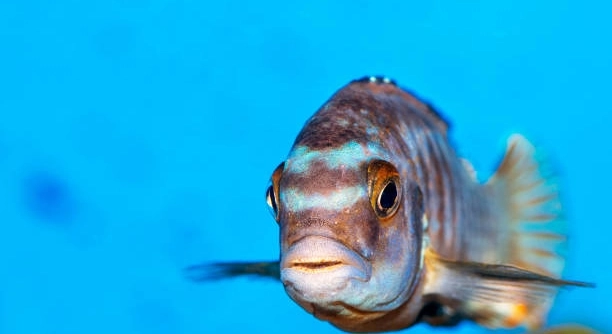
Are your cichlids acting strangely, hiding more than usual, or showing odd changes in their coloring and activity levels?
Cichlids exposed to water that is too hot or too cold often display signs of stress such as lethargy, loss of appetite, rapid gill movement, or increased aggression. Extreme temperatures can impact their health and shorten their lifespan.
Understanding the subtle signs of temperature stress will help you make quick adjustments and keep your cichlids healthy and active in their tank.
1. They’re Hiding More Than Usual
When cichlids are uncomfortable with the water temperature, one of the first things they do is retreat. You might notice them staying behind rocks, plants, or decor more often than usual. This kind of hiding is not typical when they’re healthy and feeling secure. Cold water can slow their metabolism, making them sluggish and withdrawn. On the other hand, overly warm water can raise stress levels and lower oxygen in the tank, pushing them to seek shaded or less active areas. While occasional hiding is normal, consistent hiding can be a sign your tank’s temperature needs checking.
Watch how long they stay hidden and whether it’s affecting how much they eat or interact.
Consistent hiding often signals stress or discomfort. If you notice this change, check your aquarium heater and thermometer. Make sure both are working properly and that the temperature stays within the ideal range for your specific cichlid species.
2. Rapid Gill Movement or Heavy Breathing
Faster breathing in cichlids is a direct response to temperature changes.
When the water gets too warm, oxygen levels drop. Your cichlids may start breathing faster to get more oxygen. This can look like rapid gill movement or heavy breathing near the surface. Cold water can also cause stress and breathing difficulties, especially if it’s far below their ideal range. In either case, this is a clear sign that something’s off. A thermometer that’s just a degree or two off can make a big difference in their comfort and health. If your fish are gasping or showing heavy breathing, act quickly. Lower the tank temperature gradually if it’s too hot, or warm it slowly if it’s too cold. Use a reliable digital thermometer and double-check with a backup. Always monitor changes slowly and avoid making sudden shifts, as this can shock your fish further. Regular water testing helps ensure their environment stays consistent.
3. Loss of Appetite
Temperature stress often affects how much your cichlids want to eat. If they suddenly stop showing interest in food, the tank may be too cold or too warm. Appetite changes are one of the clearest signals that their environment isn’t right.
Cold water can slow digestion, making your fish feel sluggish and uninterested in meals. On the flip side, warmer water speeds up their metabolism, which might seem like they should be hungrier, but stress from the heat can suppress appetite instead. If your cichlids are spitting out food or ignoring it completely, check the water temperature. Also look for other signs like changes in swimming patterns or color. A healthy cichlid usually eats with enthusiasm. If that behavior suddenly stops, it’s time to investigate. Returning the tank to the correct temperature range often helps bring their appetite back in just a few days.
Some cichlids may nibble but not finish their food, or become picky. This partial feeding might indicate mild discomfort rather than full-on illness. Always feed small portions during this time and remove uneaten food to avoid polluting the water. If the problem lasts more than a couple of days, test the water parameters. Double-check the heater’s accuracy and make adjustments slowly, without shocking the fish.
4. Unusual Swimming Patterns
Temperature issues can cause cichlids to swim oddly. They may dart around quickly, float near the surface, or stay still near the bottom. These changes often happen alongside breathing issues or lack of appetite, pointing to stress.
Cool water slows their energy levels, making them sluggish or inactive. Some may hover in one spot for long periods. In warm water, the opposite can happen. They may dart quickly, swim erratically, or even crash into decorations. Fast swimming and sudden stops are signs your fish feel uncomfortable or are trying to escape the heat. Wobbly or tilted swimming can also occur, especially if the temperature is dropping too quickly at night. It’s important to note whether the whole tank is affected or just one fish. If several are acting this way, test and adjust the water temperature. Gradual corrections are best to avoid shocking the system or the fish.
5. Faded or Darkened Colors
Cichlids often change color when stressed, and temperature can play a big role. If your fish appear duller or darker than usual, their environment might be too warm or cold. Color changes are often one of the first visual signs something isn’t right.
Cool temperatures can cause colors to fade, while overheating may lead to darker or blotchy patches. These shifts usually happen gradually and may come with other signs like less activity or hiding. Color should return once the tank returns to the proper range and your fish begin to feel secure again.
6. Aggression Between Tank Mates
Changes in water temperature can shift cichlid behavior fast. When water is too warm, they may become territorial or overly active, leading to sudden aggression. If tank mates that normally get along start chasing or nipping, temperature could be a factor. Cold water can also cause stress, which triggers mood changes.
7. Resting at the Bottom
If your cichlids spend long periods resting on the bottom without exploring, they might be reacting to cold or hot water. Watch for slow movements or labored breathing at the same time. These are signs the temperature should be adjusted gently.
How can I tell if my cichlids are too hot or cold?
The most common signs include changes in behavior and appearance. If your cichlids are hiding more, losing appetite, showing rapid gill movement, or swimming oddly, temperature is often the cause. Color changes like fading or darkening also indicate stress from incorrect temperatures. Resting at the bottom or increased aggression can be related too. Use a reliable aquarium thermometer to check the water temperature regularly and compare it to the ideal range for your species. Sudden or extreme changes in temperature will quickly affect your fish’s health.
What is the ideal temperature range for most cichlids?
Most tropical cichlids thrive between 75°F and 82°F (24°C to 28°C). Some species prefer slightly warmer or cooler water, so it’s important to research your specific type. Keeping the temperature stable within this range reduces stress and prevents illness. Avoid rapid temperature fluctuations, which can shock your fish even if the final temperature is correct. Using a good quality heater and thermometer will help maintain steady conditions.
What should I do if my tank is too cold?
If the temperature is below the ideal range, increase it slowly. Rapid warming can shock your cichlids, causing more stress. Adjust your heater settings and monitor the thermometer closely. You can also add a tank cover to reduce heat loss and keep the environment stable. Make sure to check that the heater is working properly, as a malfunctioning heater is often the reason for low temperatures.
What happens if the water gets too hot?
High temperatures reduce oxygen levels in the tank, making it harder for your fish to breathe. This causes rapid gill movement and increased stress. Warm water also speeds up metabolism but can suppress appetite and increase aggression. To cool the tank, try turning off the heater and increasing airflow using a fan or air stone. Avoid sudden temperature drops, which can be just as harmful. Keeping the tank in a cooler room or out of direct sunlight also helps prevent overheating.
How quickly should I change the water temperature?
Temperature changes should be gradual, ideally no more than 1-2 degrees Fahrenheit per hour. Sudden shifts can shock your cichlids, leading to illness or death. Adjust heaters slowly and monitor fish behavior closely during the change. If your fish show extreme stress signs, pause the temperature adjustment and let them stabilize before continuing.
Can temperature stress cause diseases?
Yes. Stress weakens cichlids’ immune systems, making them vulnerable to infections such as Ich, fin rot, or fungal diseases. Temperature extremes also encourage harmful bacteria and parasites to thrive. Keeping your tank’s temperature steady reduces the risk of illness and helps fish recover faster if they do get sick.
Is it normal for cichlids to hide during temperature changes?
Yes. Hiding is a natural response to stress, including temperature fluctuations. Fish seek shelter to feel safe when their environment feels uncomfortable. If hiding lasts more than a couple of days, it’s a sign the tank conditions need adjustment.
How can I prevent temperature problems in my aquarium?
Use a reliable heater with a built-in thermostat and a separate thermometer to cross-check readings. Avoid placing the tank near windows, vents, or heaters that cause temperature swings. Regularly monitor the temperature, especially during seasonal changes. Adding insulation around the tank can help maintain stable temperatures.
What are signs of recovery after correcting the temperature?
Improved appetite, increased activity, brighter colors, and normal swimming patterns are good indicators. Fish will hide less and breathe normally. These signs may take a few days to appear, so be patient and keep the environment stable during recovery.
Can I use multiple heaters to maintain temperature?
Yes, using two smaller heaters instead of one large one can provide more even heating and reduce the risk of failure. If one heater stops working, the other helps keep the temperature from dropping drastically. Place heaters on opposite sides of the tank for better heat distribution.
What temperature do cichlid eggs need?
Cichlid eggs usually require slightly warmer water than adults, often between 78°F and 82°F (26°C to 28°C). Stable temperature helps eggs develop properly. Avoid sudden temperature changes during this stage to increase hatch rates and survival.
Are all cichlids sensitive to temperature changes?
Sensitivity varies by species, but most tropical cichlids are affected by rapid or extreme temperature changes. Some African cichlids tolerate slightly cooler water, while South American varieties prefer warmer conditions. Knowing your species’ natural habitat helps you set the best temperature range.
Is it okay to turn off the heater at night?
In most cases, no. Sudden temperature drops at night can stress your cichlids. Keep the heater on to maintain a stable temperature 24/7. If your room cools down significantly at night, consider adding insulation or a timer to avoid big fluctuations.
How can I safely lower tank temperature if I don’t have a chiller?
Increase water surface agitation using an air stone or filter output to boost oxygen and cool slightly. Position a fan to blow across the water surface, which helps evaporative cooling. Partial water changes with cooler water can also help but should be done slowly to avoid shocking the fish.
What temperature range is too dangerous for cichlids?
Temperatures below 70°F (21°C) or above 85°F (29°C) are generally unsafe for most tropical cichlids. Prolonged exposure outside their preferred range can cause serious health issues or death. Always research your specific cichlid species for exact limits.
How often should I check my aquarium temperature?
Daily monitoring is best, especially if you don’t have a thermostat with alerts. Frequent checks help catch problems early before fish show severe stress. Use a digital thermometer for accuracy, and keep a log if possible to track any fluctuations.
Keeping your cichlids healthy means paying close attention to the water temperature in their tank. Even small changes can affect how they behave, eat, and look. When the water is too hot or too cold, your fish will show signs of stress like hiding, not eating, or swimming oddly. These signs are important to notice early because they help you act quickly before the problem becomes serious. Regularly checking your tank’s temperature with a reliable thermometer is the best way to prevent problems and keep your cichlids comfortable.
It is also important to understand the ideal temperature range for your specific cichlid species. Most tropical cichlids do well in water between 75°F and 82°F. Staying within this range helps reduce stress and supports their overall health. Sudden or large shifts in temperature can harm your fish, so make any changes slowly and carefully. Using a good quality heater and monitoring equipment will help keep the temperature steady. If you catch any signs of stress early, adjusting the temperature or environment can often bring your cichlids back to normal quickly.
Finally, keep in mind that a stable environment is key to happy and healthy cichlids. Temperature is just one part of good care, but it plays a big role in how well your fish live. When you maintain the right conditions, you reduce the risk of disease and improve your fish’s mood and behavior. Watching for changes like appetite loss, color fading, or unusual swimming helps you catch problems early. Taking the time to create a stable, comfortable home for your cichlids will pay off with a lively and thriving aquarium.

Hello,
If you enjoy the content that we create, please consider saying a "Thank You!" by leaving a tip.
Every little bit helps us continue crafting quality advice that supports the health, happiness, and well-being of pets around the world, for pets of all shapes, sizes, and species.
We really appreciate the kindness and support that you show us!