
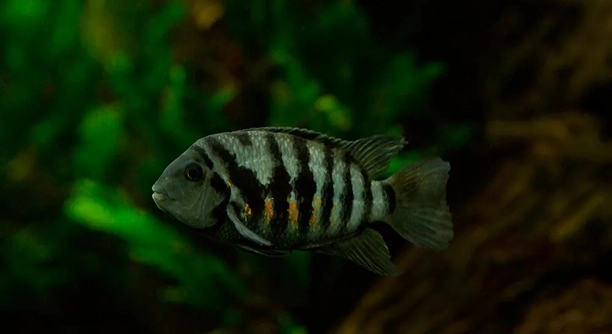
Do your African cichlids often grab food only to spit it right back out, leaving you confused and a bit frustrated?
African cichlids commonly spit food out as a natural part of their feeding behavior. This action helps them break down larger food particles, test edibility, or sift through substrate to find preferred food items.
Although it may seem unusual, this behavior is often completely normal. Learning why it happens can help you provide better care and avoid unnecessary feeding issues.
Natural Feeding Behavior in African Cichlids
African cichlids have a unique way of feeding that often includes spitting food out. This can look strange if you’re new to keeping them, but it’s part of how they eat. Many cichlids are sifting feeders, meaning they take in food along with sand or small particles, then spit out anything they don’t want. This method helps them find tiny edible bits more efficiently. Even when not sifting, they might spit food out to test it or break it down before swallowing. This isn’t a sign of illness or dislike—it’s a natural habit linked to how they evolved.
Some cichlids are more selective and spit out food simply because they prefer a different type or texture.
It’s helpful to observe how often your fish do this. If it’s occasional and they still eat well, it’s likely nothing to worry about. However, repeated rejection of food might suggest a need to adjust their diet.
When It Could Be a Sign of Trouble
Repeated food spitting combined with lack of appetite may point to stress or environmental issues.
Water quality plays a major role in a cichlid’s behavior. If the water is too warm, too cold, or contains too much ammonia or nitrate, they might not eat properly. Infections or parasites can also cause discomfort and lead to odd eating behavior. A fish dealing with bloating or internal problems might grab food, attempt to eat, then spit it out. Tank aggression and overcrowding may also create stress that affects feeding. It’s important to rule out these causes before assuming it’s normal behavior. Regular water testing, proper filtration, and offering a varied diet can help keep things in balance. Watching for other signs like hiding, faded color, or frayed fins can also give clues.
Food Type and Texture Preferences
Some cichlids are picky eaters and may spit out food if they don’t like the taste or texture. They tend to prefer specific sizes, softness, or ingredients, depending on their natural diet in the wild.
Pellets that are too hard or large might be rejected right away. Softening dry food before feeding can help, especially for younger or smaller cichlids. If flakes break apart too easily or sink too fast, the fish may lose interest. Frozen or live food often works better for stimulating appetite, especially in picky eaters. Testing a few different brands or types can make a big difference. Watching how quickly they respond to food and what they consistently swallow can help guide your choices.
Changing their diet gradually is best. Sudden changes can lead to stress or digestion problems. Try mixing new food with familiar options to help them adjust without rejecting everything completely.
Feeding Techniques and Timing
Feeding your cichlids at the right time and in the right way makes a big difference in how they respond to food. Overfeeding or feeding during stressful times can lead to rejection or disinterest.
Cichlids do well with small, frequent feedings instead of one large serving. Too much food at once often leads to spitting, especially if they feel full or overwhelmed. It’s best to feed them after lights have been on for a while and the tank has settled. Avoid feeding during water changes or after aggressive episodes. Feeding in a quiet, calm environment helps them feel safe enough to eat. Use feeding rings or floating dishes to keep the food in one spot and reduce waste. Keep a regular schedule so they know when to expect food, which can improve how they respond during feeding time.
Social Dynamics in the Tank
Aggressive or dominant tank mates can cause stress during feeding time. A cichlid might grab food quickly, then spit it out if it feels threatened or crowded by other fish nearby.
Spacing out food in different areas of the tank can help. This gives shy or lower-ranked cichlids a better chance to eat in peace.
Growth Stage and Feeding Response
Young cichlids often spit out food while learning what is edible or manageable for their size. They explore more and take time to adjust to regular feeding routines. On the other hand, adult cichlids may spit food out if it no longer meets their nutritional needs or if they’re preparing for breeding. Spitting can also be part of a cleaning behavior before spawning. Understanding your fish’s life stage can help guide food choices and feeding habits. Watch for changes in size, color, or behavior that might signal shifts in dietary needs or tank roles.
Try Observing After Each Feeding
Watching how your cichlids behave right after meals gives you helpful insight. It can show you if the food type, portion, or feeding time needs to change.
FAQ
Why do my cichlids spit out food and then eat it again?
This is a normal feeding behavior, especially in African cichlids. They often take food into their mouths to test it, soften it, or break it into smaller pieces. It may look like they are rejecting the food, but many times they just need more time to process it before swallowing. This behavior is more common with larger or harder foods and is not usually a sign of illness.
Is food spitting a sign that my fish is sick?
It can be, but not always. If food spitting is paired with signs like loss of appetite, hiding, faded color, clamped fins, or bloating, it’s possible your cichlid isn’t feeling well. Internal parasites, mouth infections, or poor water quality may be the cause. If everything else in the tank seems fine, and the fish is active and alert, the spitting is probably normal.
What types of food are best for cichlids who keep spitting?
Softened pellets, gel-based foods, and high-quality flakes are usually easier for cichlids to manage. Frozen foods like brine shrimp or bloodworms can also be a good option, especially if you notice frequent spitting with dry foods. You can soak dry food in tank water for a few minutes before feeding to make it softer.
Can the size of the food affect spitting?
Yes. If the food is too large, your cichlid might struggle to eat it and spit it out. Try crushing large pellets or choosing smaller ones that fit better in their mouths. Fish with smaller mouths, especially juveniles, may need finer food that’s easier to chew and swallow.
How can I reduce food waste from spitting?
Feed smaller portions and give food in short intervals. This allows the fish to eat slowly without rushing or dropping food. Using feeding rings or placing food in areas with less water flow can prevent uneaten bits from spreading around the tank. Cleaning up leftovers quickly also helps maintain water quality.
Could stress be the reason my cichlids are spitting food?
Yes. Stress from tank aggression, sudden changes, or poor water quality can make cichlids eat differently. They might spit food more or refuse to eat at all. Keeping a calm environment and monitoring tank conditions helps reduce stress-related feeding problems.
Do cichlids spit food while breeding?
Yes, breeding behavior can cause changes in eating habits. Some cichlids clean their mouths and areas around them when preparing to spawn, which may include spitting food. Mouthbrooders, in particular, often stop eating or spit food out while holding eggs in their mouths to protect them.
Why does only one of my cichlids spit food?
Each fish has its own personality and habits. Some are pickier or more sensitive to certain food types. If only one cichlid is spitting food, check its health, feeding position, and whether it’s being bullied. It might also just prefer a different kind of food than the others.
Should I change the food brand if spitting continues?
It’s worth trying. Sometimes cichlids respond better to different brands or formulas. Look for foods designed specifically for African cichlids, with high protein and vegetable content. Switching gradually prevents digestive issues and helps your fish adjust without losing interest in feeding altogether.
Is it better to feed once or twice a day if my cichlids spit food?
Feeding smaller amounts twice a day is usually better. It prevents overeating and allows you to monitor their response more closely. Spitting is often reduced when food is given in smaller, manageable portions, especially when the tank is calm and the fish are more alert.
Final Thoughts
Feeding African cichlids can feel confusing at times, especially when you see them spit food out. It’s easy to assume something is wrong, but in many cases, it’s just how they eat. These fish have natural behaviors that don’t always match what we expect. Spitting food helps them break it down, test if it’s edible, or search for something they like more. Some species even sift through food and sand in the wild, so this behavior often shows up in the tank too. Understanding this habit makes it easier to spot when it’s normal and when it may need attention.
It’s also important to look at the bigger picture. If your cichlids seem healthy, active, and their water is clean, then spitting is likely harmless. But if you notice other changes—like hiding, weight loss, or unusual swimming—then it could be a sign of something more serious. Diet, stress, water conditions, and even social dynamics all play a role in feeding behavior. That’s why it’s helpful to observe your fish regularly. Knowing their habits gives you a better idea of when something is off. It also helps you make small changes, like switching food types or adjusting the feeding schedule, to better meet their needs.
Caring for cichlids takes time and patience, but it can be very rewarding. These fish are intelligent and full of personality, and feeding them is a great way to interact with them. Being aware of their natural feeding habits helps you avoid unnecessary stress or overreacting to normal behavior. When in doubt, small adjustments often go a long way. Offering softer or smaller food, feeding smaller portions more often, or giving each fish space to eat in peace can all make a big difference. And if you’re still unsure, it’s always okay to ask for advice or do a little more research. With a bit of attention and care, you can create a feeding routine that works for both you and your cichlids.

Hello,
If you enjoy the content that we create, please consider saying a "Thank You!" by leaving a tip.
Every little bit helps us continue crafting quality advice that supports the health, happiness, and well-being of pets around the world, for pets of all shapes, sizes, and species.
We really appreciate the kindness and support that you show us!