
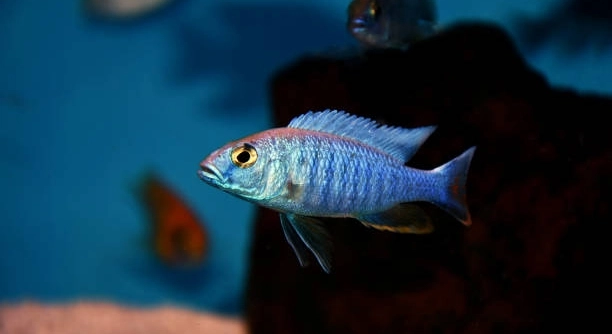
African cichlids are popular freshwater fish admired for their vibrant colors and active behavior. Many hobbyists seek to create a suitable environment that meets their needs. One important aspect of their habitat is whether they require hiding spaces.
African cichlids do need hiding spaces to feel secure and reduce stress. Providing rocks, caves, or plants creates natural shelters that mimic their environment in the wild. These hiding spots support their territorial behavior and promote healthy interactions.
Hiding places play a key role in maintaining a balanced aquarium environment. Exploring how to set up these spaces can improve your cichlids’ overall well-being and harmony.
Importance of Hiding Spaces for African Cichlids
Providing hiding spaces in an African cichlid tank is essential for their mental and physical health. These fish are naturally territorial and can become aggressive if they feel exposed or threatened. Rocks, caves, and dense plants create safe areas where cichlids can retreat and establish their own territory. Without such spaces, stress levels can rise, leading to weakened immune systems and increased chances of disease. Additionally, hiding spots help reduce conflicts between fish by giving each one a place to claim. The natural environment of African cichlids includes plenty of nooks and crannies, so replicating this in the aquarium encourages more natural behaviors and overall well-being.
Hiding places also provide security during breeding. Cichlids need calm, secluded spots to lay eggs and care for their young.
Creating these spaces means carefully arranging aquarium décor to balance open swimming areas with ample shelters, supporting a healthy community of cichlids.
Types of Hiding Spaces That Work Best
Rocks and caves are among the most effective hiding spots for African cichlids. They closely resemble the rocky habitats these fish prefer in their native lakes.
Besides rocks, artificial caves or PVC pipes can be used to provide additional shelter options. These materials are durable and easy to clean. Driftwood and dense aquatic plants offer softer hiding places but may require more maintenance to prevent decay. Arranging rocks in stacked formations or building caves gives fish multiple levels and territories to explore, helping to reduce aggressive encounters. Plants help break lines of sight, making the tank feel more secure. Choosing a combination of hard structures and plant cover is ideal. This mix satisfies the need for refuge and stimulates natural behavior while keeping the tank visually appealing. Proper placement and variety in hiding spots lead to a more peaceful and balanced aquarium environment.
How to Arrange Hiding Spaces in the Tank
Placing hiding spaces thoughtfully reduces stress and aggression among African cichlids.
Start by dividing the tank into several territories using rocks and caves. Position shelters near the bottom or sides where fish naturally seek refuge. Leave open swimming areas between hiding spots to allow peaceful movement. Avoid overcrowding to maintain water flow and cleanliness.
Make sure to vary the size and shape of hiding places. Some fish prefer tight spaces while others like larger caves. Adding plants around the rocks softens the environment and provides extra cover. Observing how your cichlids interact with the setup helps in adjusting locations for optimal comfort and territory balance.
Benefits Beyond Stress Reduction
Hiding spaces encourage natural behaviors such as exploring, defending territory, and breeding.
When cichlids have places to hide, they feel safer and are less likely to injure each other. This leads to fewer health problems and a calmer tank environment. During breeding, caves offer protected spots for eggs and fry, increasing survival rates. The variety of shelters keeps the fish mentally stimulated, preventing boredom and promoting activity. An aquarium with well-placed hiding places supports the overall ecosystem by balancing dominance and reducing bullying. This improves both the quality of life for the fish and the enjoyment of the tank keeper.
Materials to Avoid for Hiding Spaces
Avoid materials that can degrade or release harmful substances in the aquarium.
Soft woods that rot quickly or painted items that chip should not be used. These can affect water quality and harm your fish.
Maintenance Tips for Hiding Spaces
Regular cleaning is necessary to prevent algae buildup and debris accumulation on hiding spots. Use a gentle brush to scrub rocks and caves during water changes. Avoid harsh chemicals that can linger and harm fish. Checking hiding places for damage or sharp edges keeps the environment safe. Proper maintenance ensures these shelters continue to support your cichlids’ health and comfort.
Signs Your Cichlids Need More Hiding Spots
If fish frequently chase each other or appear stressed, more hiding places may be needed. Crowded tanks increase aggression, showing the need for additional shelters.
Impact on Tank Aesthetics
Well-chosen hiding spots can enhance the natural look of your aquarium, creating a pleasing and functional environment.
FAQ
Do African cichlids need hiding spaces to reduce aggression?
Yes, hiding spaces help reduce aggression by allowing fish to establish personal territories. Without enough shelters, cichlids may constantly chase or fight each other. Providing ample hiding spots creates boundaries and breaks direct sight lines, which calms the fish and reduces stress-related aggression.
What are the best materials for cichlid hiding spaces?
Natural rocks and untreated wood are ideal as they mimic the cichlids’ natural environment. Avoid painted decorations or soft woods that can rot. PVC pipes and ceramic caves are also good options because they are durable and easy to clean. Make sure all materials are safe for aquarium use and won’t alter water chemistry.
How many hiding spots should I provide in my tank?
A good rule is to have at least one hiding spot per fish, with a variety of sizes and shapes. This allows each fish to claim a territory and retreat when needed. More hiding places can help reduce stress, especially in crowded or mixed-species tanks.
Can plants serve as hiding spaces for African cichlids?
Yes, dense aquatic plants can provide cover and break up open spaces. However, some cichlids may uproot or damage plants. Choosing hardy plants or using artificial plants along with rocks and caves offers a balanced environment.
Do hiding spaces affect breeding in African cichlids?
Hiding spaces are important for breeding. Cichlids use caves or crevices to lay eggs and protect their fry. Without secure shelters, breeding may be less successful as fish feel exposed and stressed. Providing appropriate caves encourages natural reproductive behavior.
Should hiding places be rearranged often?
Occasionally changing the layout can stimulate natural exploration and reduce boredom. However, frequent rearranging might stress territorial fish. It’s best to observe how your cichlids respond and make changes gradually.
Can too many hiding spaces be a problem?
Too many hiding spots can reduce open swimming space, making the tank feel cramped. This might increase territorial disputes if fish feel crowded. Balance is key—enough shelters to reduce stress, but enough open space for normal swimming and interaction.
How do I clean hiding spots without disturbing my fish too much?
Clean hiding spots gently during regular water changes using a soft brush to remove algae and debris. Avoid strong chemicals. Remove decorations briefly if needed, but try to keep disruptions minimal to avoid stressing your cichlids.
Do juvenile cichlids need hiding places as much as adults?
Yes, juvenile cichlids benefit from hiding places to feel secure and avoid bullying from older fish. Providing shelters helps protect young fish and promotes healthy growth.
Are there specific hiding spot designs preferred by African cichlids?
Cichlids prefer caves, crevices, and rock stacks that resemble their natural rocky habitats. Rounded or irregular shapes work best. Avoid sharp edges or small spaces where fish can get stuck.
Can hiding spaces help with water quality?
Indirectly, yes. Well-placed rocks and decorations can improve water circulation if arranged properly. However, hiding spaces require regular cleaning to prevent debris buildup, which can affect water quality negatively if neglected.
What should I avoid when setting up hiding spaces?
Avoid overcrowding the tank with too many decorations that block swimming areas. Also, avoid unstable stacks of rocks that can collapse and injure fish. Choose aquarium-safe materials and ensure hiding places are stable and secure.
How do hiding spaces influence fish behavior?
Hiding spots encourage natural behaviors like exploring, territorial defense, and breeding. Fish feel safer, reducing stress and promoting healthier social interactions. Without adequate shelters, fish may become aggressive or withdrawn.
Can artificial caves replace natural rock hiding spots?
Artificial caves can work well if made from safe, durable materials. They are easier to clean and arrange. However, natural rocks provide a more authentic environment and sometimes better water chemistry balance. A combination of both is often best.
Is lighting important for hiding spaces?
Dimmer areas within hiding spots help fish feel more secure. Bright lighting can make fish feel exposed, increasing stress. Arranging shelters in shaded tank regions creates comfortable retreats.
What role do hiding spaces play in a community tank with cichlids?
Hiding places help reduce conflicts between species and individuals by giving each fish space to claim. This leads to a more peaceful community tank where different fish coexist with less stress.
How can I tell if my cichlids are using the hiding spots?
Observe your fish regularly. They will retreat to hiding spots when feeling threatened or resting. Frequent use indicates the shelters meet their needs. If fish avoid hiding spaces, consider adjusting size, location, or type.
Should I introduce hiding spots before or after adding cichlids?
Set up hiding spots before introducing fish to allow them to explore and claim territory right away. This helps reduce initial stress and aggression.
Do different cichlid species prefer different types of hiding spaces?
Yes, preferences vary by species. Some prefer large caves, others small crevices or plant cover. Research the natural habitat of your cichlid species to select the most suitable hiding spaces.
How often should hiding spots be replaced or upgraded?
Hiding spots don’t need frequent replacement but should be checked regularly for wear or damage. Upgrading can refresh the environment and stimulate fish, especially in long-term tanks.
African cichlids benefit greatly from having hiding spaces in their aquarium. These spaces provide security and comfort, allowing the fish to express their natural behaviors in a more relaxed way. Without enough hiding spots, cichlids can become stressed and aggressive, which affects their health and overall well-being. Creating a habitat that mimics their natural environment by including caves, rocks, and plants helps to maintain balance in the tank. This balance supports healthier fish and a more peaceful aquarium atmosphere.
When setting up hiding places, it is important to consider both function and safety. Materials should be aquarium-safe and stable to prevent injuries. The layout should offer variety, with different sizes and types of shelters to suit the preferences of each fish. Overcrowding the tank with decorations can reduce swimming space and increase tension, so it is crucial to find a good balance between hiding spots and open areas. Regular maintenance of these spaces is also necessary to keep them clean and free of algae or debris, which can harm water quality and fish health.
Overall, providing adequate hiding spaces in an African cichlid tank is a simple yet effective way to improve the fish’s quality of life. It helps reduce stress, supports natural behaviors, and minimizes aggression among tank mates. Careful planning and upkeep of these shelters will contribute to a healthier, happier aquarium environment. Paying attention to how your cichlids use their hiding spots and making adjustments as needed can ensure the tank remains a comfortable home for them over time.

Hello,
If you enjoy the content that we create, please consider saying a "Thank You!" by leaving a tip.
Every little bit helps us continue crafting quality advice that supports the health, happiness, and well-being of pets around the world, for pets of all shapes, sizes, and species.
We really appreciate the kindness and support that you show us!