
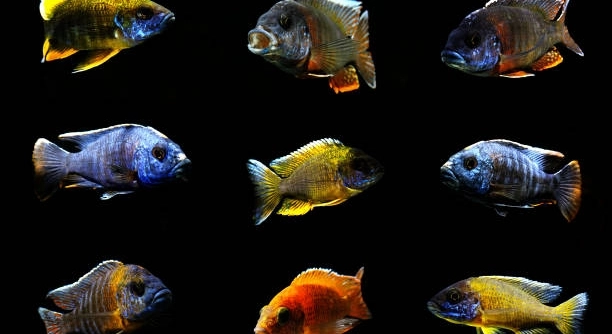
African cichlids are popular freshwater fish known for their vibrant colors and active behavior. Many aquarists enjoy keeping them in home aquariums to add life and beauty. Deciding how to house them properly is important for their well-being.
African cichlids can be kept in pairs, but their social behavior varies depending on species. Some species thrive better in groups, while others may show aggression if kept only in pairs. Proper tank setup and monitoring are essential to maintain harmony.
Knowing how to care for African cichlids in pairs helps ensure a peaceful and healthy environment for these striking fish. This article will provide clear guidance for successful aquarium keeping.
Understanding African Cichlid Behavior
African cichlids are diverse, with many species displaying different social behaviors. Some species are territorial and aggressive, especially during breeding periods, while others are more peaceful and social. Keeping just two cichlids may cause tension if one feels threatened or dominant. The aquarium size and environment also play a key role in their interactions. Providing enough hiding places, rocks, and plants helps reduce stress and aggression. Pairing species that naturally coexist or share similar temperaments often leads to a calmer tank. Observing their behavior regularly allows early detection of any signs of stress or conflict, which helps maintain balance in the aquarium.
Pair housing can work, but it requires careful species selection and environment management.
Many aquarists find that understanding their specific cichlid species is essential before deciding on housing. This knowledge helps create a stable environment and ensures both fish thrive, whether kept in pairs or groups.
Benefits and Challenges of Keeping Pairs
Keeping African cichlids in pairs can reduce overcrowding and simplify tank management. Pairs need less space than larger groups, making it easier to maintain water quality and monitor health. However, some species in pairs may become territorial or aggressive, especially males. Without other fish to disperse attention, aggression might increase. It is important to select compatible pairs and provide enough hiding spots to minimize conflict. Regular observation helps catch any issues early, allowing intervention before stress affects the fish’s health. Balancing tank conditions and understanding individual fish behavior contributes to a peaceful aquarium.
Pairs simplify care but demand attention to species and behavior to avoid aggression.
Some cichlid species do better in pairs when the environment suits their needs. For example, certain less aggressive species or male-female pairs during breeding can thrive together peacefully. However, highly territorial species often require either larger groups to spread aggression or solitary housing. Tank size also matters; a small tank limits space, which can increase stress. Providing a well-structured habitat with rocks and plants offers boundaries that help reduce conflicts. Ultimately, choosing the right species and maintaining a suitable tank environment are key factors in successfully keeping African cichlids in pairs.
Setting Up the Right Environment
Choosing the correct tank size is essential for pairs of African cichlids. A tank of at least 30 gallons allows enough space to reduce territorial behavior and stress. Proper decoration with rocks and hiding places creates natural barriers.
A well-structured environment mimics the cichlids’ natural habitat and helps balance their interactions. Rocks and caves offer shelter and reduce direct confrontations. Adding plants that tolerate the water conditions also helps provide hiding spots. These elements create zones where each fish can retreat, limiting aggressive encounters. It’s important to arrange the tank carefully so that neither fish feels trapped or cornered, which can increase stress and cause fights. Regular maintenance, such as cleaning and water changes, supports a healthy environment that reduces aggression triggers.
Besides physical setup, water quality impacts behavior. Stable parameters like temperature between 75-82°F and pH around 7.5 to 8.5 are crucial. Poor water conditions can increase stress and provoke aggression, even in well-set tanks. Testing water regularly and performing partial water changes help maintain ideal conditions for pairs to coexist peacefully.
Choosing Compatible Species
Not all African cichlids are suitable for pairing due to their differing temperaments and territorial needs. Selecting species with compatible behavior lowers the risk of aggression. Some species are naturally more peaceful or adapt better to pair housing.
Species like Mbuna cichlids tend to be more aggressive and may require larger groups or more space, while species such as Peacock cichlids are generally calmer and tolerate pairs better. Understanding each species’ natural social structure guides decisions for pairing. Male-female pairs are often more stable than two males, which tend to fight over territory. Compatibility also depends on the fish’s size and temperament; mismatched pairs can lead to bullying or stress. It’s best to research specific species behavior before housing them together, as this improves the chances of peaceful coexistence.
Monitoring Behavior Closely
Watching your African cichlids regularly helps identify early signs of stress or aggression. Quick intervention can prevent serious conflicts or injury.
Aggressive behavior includes chasing, biting, or hiding excessively. If these signs appear, consider rearranging the tank or providing more hiding spots to ease tension.
Feeding Considerations for Pairs
Feeding African cichlids in pairs requires careful portion control to avoid competition. Provide balanced meals with quality pellets, supplemented with occasional live or frozen foods. Feed small amounts multiple times a day to reduce aggression during feeding. Uneaten food should be removed promptly to maintain water quality.
Managing Aggression
Separating overly aggressive fish may be necessary to protect both cichlids. Sometimes, adding more hiding places or rearranging the tank reduces conflicts. If aggression persists, reconsider the pairing.
Benefits of Pair Bonding
Pairs can form strong bonds, especially during breeding, enhancing their well-being in captivity.
FAQ
Can African cichlids live happily in pairs?
Yes, many African cichlids can live happily in pairs if the species are compatible and the environment is set up correctly. Providing enough space, hiding spots, and monitoring behavior helps pairs coexist peacefully.
What tank size is best for keeping a pair?
A minimum of 30 gallons is recommended for most pairs. This size provides enough room for territorial boundaries and reduces stress caused by overcrowding or limited space.
Are male-female pairs better than two males?
Generally, male-female pairs tend to be more stable because males are less likely to fight over territory. Two males often show aggressive behavior, especially in smaller tanks.
How can I reduce aggression between a pair?
Adding rocks, caves, and plants creates natural barriers that reduce direct confrontations. Rearranging decorations periodically can also disrupt established territories and decrease fighting.
What should I feed African cichlids?
A balanced diet of high-quality pellets or flakes designed for cichlids works well. Supplementing with frozen or live foods like brine shrimp or bloodworms adds variety and nutrition.
How often should I feed them?
Feed small amounts two to three times daily. This reduces competition during feeding and helps maintain water quality by preventing leftover food buildup.
What water conditions do African cichlids need?
They prefer a temperature range of 75-82°F and a pH between 7.5 and 8.5. Stable water parameters are crucial for their health and behavior.
How do I know if my cichlids are stressed?
Signs include hiding excessively, loss of appetite, color fading, or constant chasing and aggression. Stress often results from poor water conditions or inadequate tank setup.
Can pairs breed in home aquariums?
Yes, pairs often breed when conditions are right. Providing suitable hiding places and good water quality encourages breeding behavior.
Should I separate the pair if aggression occurs?
If aggression causes injury or extreme stress, separating them is best. Sometimes rearranging the tank or adding more hiding spots helps, but persistent fighting means the pair is incompatible.
Is it better to keep cichlids in groups instead of pairs?
Some species thrive better in groups because aggression is spread among many fish. Others do fine in pairs. Research your species’ social behavior to decide.
How important is tank decoration for pairs?
Tank decoration is very important. It offers boundaries and hiding spots that help reduce aggression by giving fish places to escape and claim territory.
What are common mistakes when keeping pairs?
Common mistakes include choosing incompatible species, providing too small a tank, and not offering enough hiding places. Overfeeding or poor water maintenance can also increase stress and aggression.
Can I keep different species of African cichlids together?
Mixing species requires careful selection. Some species coexist well, while others are too territorial and aggressive. Compatibility depends on temperament and tank setup.
How often should I clean the tank?
Perform partial water changes of 20-30% weekly to keep water clean and parameters stable. Regular cleaning prevents buildup of harmful substances that stress the fish.
What should I do if one fish is bullying the other?
Try rearranging the tank and adding more hiding spots. If bullying continues, consider separating the fish or upgrading to a larger tank to give more space.
Can pairs live in smaller tanks if properly managed?
Smaller tanks increase the risk of stress and aggression. While some pairs may survive in less space, a larger tank is always better for their well-being.
How long do African cichlids live?
With proper care, African cichlids can live 8 to 10 years or more. Maintaining good water quality and a suitable environment helps them reach their full lifespan.
Are African cichlids good for beginners?
Some species are suitable for beginners due to their hardiness. However, their territorial nature means careful tank setup and monitoring are necessary.
What signs indicate that a pair is bonding?
Reduced aggression, shared territories, and synchronized swimming or breeding behavior suggest bonding. Pairs may also defend a territory together.
This FAQ aims to address common concerns about keeping African cichlids in pairs, offering practical advice for a peaceful and healthy aquarium.
Keeping African cichlids in pairs can work well when done with care and attention. These fish have different personalities and needs depending on their species. Some do better in pairs, while others prefer groups or even solitude. It is important to understand the specific species you have before deciding to keep just two. Providing enough space and a suitable environment helps reduce stress and aggression, which are common problems when pairs are kept too close together or in a small tank.
The tank setup plays a big role in the success of keeping African cichlids in pairs. Having plenty of rocks, caves, and hiding spots helps the fish feel secure. These decorations act as natural boundaries and reduce direct confrontations. Water quality is also very important; stable temperature and pH levels keep the fish healthy and calm. Feeding the right food in small amounts multiple times a day reduces competition and helps maintain water cleanliness. Watching your fish closely lets you spot any signs of stress or aggression early so you can make changes before problems grow.
In the end, keeping African cichlids in pairs requires patience and observation. If you see too much fighting, it may mean the pair is not compatible or the environment needs adjustment. Sometimes separating aggressive fish or upgrading to a larger tank is necessary. With proper care and understanding, pairs of African cichlids can live peacefully and even form bonds, especially when they breed. The key is to know your fish well, prepare their tank thoughtfully, and maintain good water conditions. This approach helps ensure your cichlids stay healthy and happy over time.

Hello,
If you enjoy the content that we create, please consider saying a "Thank You!" by leaving a tip.
Every little bit helps us continue crafting quality advice that supports the health, happiness, and well-being of pets around the world, for pets of all shapes, sizes, and species.
We really appreciate the kindness and support that you show us!