
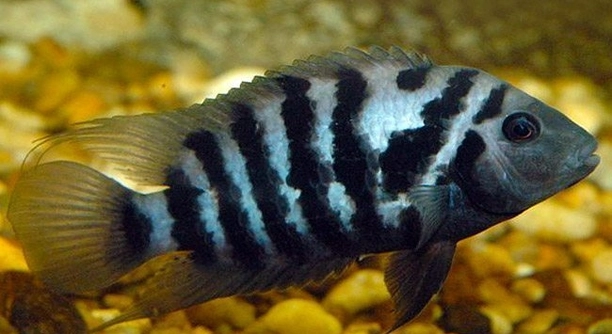
African cichlids are popular freshwater fish known for their bright colors and interesting behaviors. One of their most curious actions is lip-locking, which often catches the attention of aquarium enthusiasts. This unique behavior plays a role in their social interactions and breeding rituals.
Lip-locking among African cichlids is primarily a form of territorial and dominance behavior. When two males lock lips, they engage in a physical contest to establish hierarchy without causing serious harm. This ritual helps maintain social order and access to resources within their environment.
Understanding why African cichlids lock lips reveals important details about their behavior and social structure. Learning about this can enhance the way hobbyists care for and observe these vibrant fish.
What Triggers Lip-Locking in African Cichlids
Lip-locking is usually triggered by territorial disputes or competition over mates. When two males encounter each other, they lock lips as a way to test strength without immediate violence. This behavior is common when space or breeding rights are limited. It helps determine which fish will dominate a certain area.
This lip-locking fight is more about display and endurance than actual injury. The fish push against each other, trying to outlast their opponent. The one who gives up first loses the contest. It is a non-lethal way to avoid serious harm while still establishing dominance.
During these lip-locking encounters, other cichlids often observe and respect the outcome. The winner gains better access to food and shelter, while the loser usually retreats to avoid further conflict. This behavior helps maintain peace in crowded tanks or natural habitats. Understanding these triggers can improve how you manage tank mates and space in your aquarium.
How to Manage Lip-Locking in Your Aquarium
Managing lip-locking in captivity requires proper tank setup and monitoring. Providing enough space and hiding spots reduces aggressive encounters.
Overcrowding in tanks can increase the frequency of lip-locking as fish compete for limited territory. In smaller tanks, cichlids have fewer places to escape or claim as their own. This situation often escalates tension, making lip-locking more frequent and prolonged. Adding plenty of rocks, caves, and plants helps break the line of sight and gives fish places to hide. This reduces stress and aggressive behaviors.
Additionally, keeping a balanced mix of males and females can lower competition. Too many males in one tank can lead to constant fights, while a well-managed ratio encourages natural social behavior. Regular observation is important to catch signs of excessive aggression or injury. If fights become too intense, separating the most aggressive fish might be necessary. Adjusting tank conditions to suit African cichlids’ natural behavior leads to a healthier and calmer environment for them to thrive.
The Role of Lip-Locking in Breeding
Lip-locking helps establish dominance between males during breeding season. The strongest male usually gains access to females and breeding territory. This behavior ensures that only the fittest males reproduce, supporting healthy offspring.
During breeding, males lock lips to show strength and readiness to defend their territory. Females observe these contests and tend to choose mates based on the outcomes. This natural selection process improves the genetic quality of future generations. The lip-locking also helps reduce full-scale fights, as the ritual settles disputes quickly.
Males that win lip-locking battles often guard their eggs and fry aggressively. This protection helps improve survival rates of their offspring. The behavior signals to other fish that the territory is claimed, reducing unnecessary conflict in the breeding area. Understanding this can help with breeding management in captivity.
Signs Lip-Locking Is Becoming Harmful
Lip-locking is usually harmless but can become dangerous if fights last too long. Constant locking without rest may cause stress or injury.
Excessive lip-locking can lead to damaged lips or mouth infections. When fish repeatedly fight, they become vulnerable to wounds that may not heal well in a tank environment. Stress from ongoing conflicts weakens their immune system and overall health. It is important to watch for signs of fatigue, torn lips, or behavior changes like hiding or loss of appetite. Intervening early can prevent serious problems and keep your fish healthy.
Preventing Excessive Lip-Locking
Providing enough space and hiding spots can prevent prolonged lip-locking. This reduces stress and gives fish room to retreat when needed.
Balanced tank populations also help. Avoid overcrowding and keep a suitable male-to-female ratio to minimize competition and aggression.
Tank Setup Tips for Reducing Conflicts
Use rocks, plants, and caves to create natural barriers inside the tank. These help break lines of sight and give fish safe zones. Separate aggressive individuals if fights continue despite good setup. Proper filtration and regular cleaning keep fish healthy and less prone to stress-related aggression.
Understanding African Cichlid Social Hierarchy
Cichlids form complex social groups with clear dominance ranks. Lip-locking is part of maintaining this order. Recognizing these social dynamics helps in managing behavior and preventing unnecessary fights.
Why do African cichlids lock lips?
African cichlids lock lips mainly to establish dominance and defend territory. This lip-locking is a form of ritualized combat where males test each other’s strength. It helps avoid serious injury by settling conflicts through endurance and display rather than outright fighting.
Is lip-locking harmful to cichlids?
Usually, lip-locking is not harmful if it happens briefly. It is a natural behavior meant to avoid real damage. However, prolonged or frequent lip-locking can cause lip injuries, stress, and infections. In captivity, limited space or poor tank setup may increase harmful encounters.
How can I tell if lip-locking is becoming a problem?
Signs include visible wounds or torn lips, fish hiding more than usual, loss of appetite, and excessive fatigue. If fights last too long or happen constantly, it may be time to intervene by adjusting tank conditions or separating aggressive fish.
What tank conditions reduce lip-locking?
A larger tank with plenty of hiding spots, such as rocks, caves, and plants, helps break sightlines and reduces confrontations. Maintaining a balanced ratio of males to females also lowers competition. Proper filtration and clean water support fish health, which reduces stress-induced aggression.
Can lip-locking affect breeding success?
Yes, lip-locking is part of breeding behavior. The strongest male usually wins these contests and gains access to females and territory. This natural selection improves the chances of healthy offspring. However, if fights become too violent, it may harm breeding outcomes.
Should I separate fish that frequently lip-lock?
If fights cause injury or excessive stress, separating aggressive individuals can be necessary. Temporary separation allows fish to recover and prevents ongoing damage. Always observe fish behavior and health before deciding to separate them permanently.
Do females also lip-lock?
Lip-locking is mostly a male behavior tied to dominance and breeding. Females may show aggression but rarely engage in lip-locking contests. Their role is more focused on choosing mates and caring for eggs or fry.
How long do lip-locking contests usually last?
These contests typically last a few seconds to a couple of minutes. The fish push and resist until one gives up. Longer fights are unusual and can indicate high stress or overcrowding.
Can I prevent lip-locking entirely?
It is not possible or desirable to stop lip-locking completely, as it is natural. However, good tank management, space, hiding places, and balanced populations can minimize the frequency and intensity of these behaviors.
What should I do if my cichlids get injured from lip-locking?
Isolate injured fish to prevent further attacks. Maintain excellent water quality to promote healing. You may use aquarium-safe antibacterial treatments if infections develop. Monitor fish closely and provide stress-free conditions during recovery.
Does diet affect aggressive behaviors like lip-locking?
A well-balanced diet supports overall fish health, which can reduce stress and aggression. Nutrient deficiencies or poor feeding can increase irritability. Feeding a varied diet suitable for cichlids helps maintain calm behavior.
Can tank mates influence lip-locking behavior?
Yes, the presence and type of tank mates can affect aggression. Mixing very different species or too many males in one tank can increase conflicts. Choosing compatible fish and maintaining proper numbers helps control lip-locking and fighting.
Are there specific species of African cichlids that lip-lock more often?
Some species, especially those from Lake Malawi and Lake Tanganyika, are known for more frequent lip-locking due to their territorial nature. Understanding the behavior of your specific species helps manage their needs better.
How does lip-locking help maintain social order?
Lip-locking allows cichlids to settle disputes without serious fights. The stronger fish establish dominance, while others submit. This clear hierarchy reduces ongoing aggression and promotes a stable social environment in the tank or natural habitat.
Lip-locking is a natural and important behavior among African cichlids. It serves as a way for males to establish dominance and protect their territory without causing serious harm. This ritual helps maintain order within their social groups and plays a role in their breeding process. Although it may look aggressive, lip-locking is mostly about communication and display rather than injury. Understanding this behavior gives insight into how these fish interact with each other and what motivates their actions.
In an aquarium setting, lip-locking can be more noticeable because of the limited space. When tanks are overcrowded or lack proper hiding places, fish may lip-lock more often or for longer periods. This can increase stress and lead to injuries if not managed properly. Providing enough room, creating barriers with decorations, and balancing the number of males and females can reduce the intensity and frequency of lip-locking fights. Observing fish closely and taking action when needed helps keep them healthy and comfortable.
Managing lip-locking is part of responsible fish care. While it cannot be stopped completely, creating a well-structured environment supports the natural behavior of African cichlids while minimizing harmful conflicts. Paying attention to signs of injury or stress and adjusting the tank setup accordingly benefits both the fish and the owner. Lip-locking is just one example of how understanding fish behavior leads to better aquarium experiences and healthier aquatic life.

Hello,
If you enjoy the content that we create, please consider saying a "Thank You!" by leaving a tip.
Every little bit helps us continue crafting quality advice that supports the health, happiness, and well-being of pets around the world, for pets of all shapes, sizes, and species.
We really appreciate the kindness and support that you show us!