
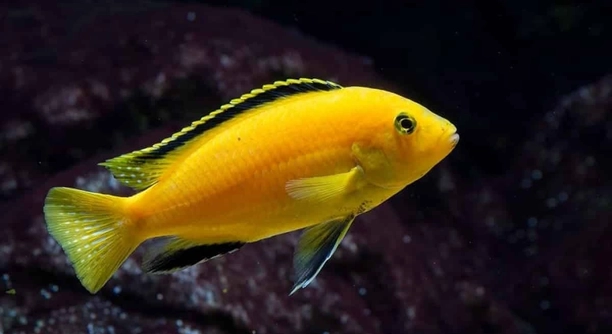
African cichlids are popular aquarium fish known for their bright colors and active behavior. Many fish enthusiasts notice their lively interactions and wonder about their intelligence. Understanding how smart these fish are can add to the enjoyment of keeping them.
African cichlids demonstrate complex behaviors such as problem-solving, social interaction, and territorial defense. Research shows they possess learning abilities comparable to other intelligent fish species, indicating a notable level of cognitive function within their natural environments.
Exploring these behaviors provides insight into their needs and how to care for them better. This knowledge can improve your experience with these fascinating fish.
Understanding African Cichlid Intelligence
African cichlids show intelligence through their behaviors in aquariums and in the wild. They recognize other fish and remember past interactions. Some can solve simple problems, like finding food in tricky places. Their ability to defend territories and interact socially shows a level of awareness beyond instinct. This intelligence helps them survive and thrive in their natural habitats. Researchers have observed that different species of cichlids use unique strategies to protect themselves and find mates, indicating varied cognitive skills. Watching these behaviors in your tank can give clues about how smart your fish really are. Their learning capacity allows them to adapt to changing environments and challenges, which is key to their success as a species.
Their intelligence also means they benefit from stimulation, like environmental changes or puzzles. Without this, they may become bored or stressed, affecting their health and behavior.
Providing varied environments and challenges can help maintain their mental sharpness and well-being over time.
Social Behavior and Learning in African Cichlids
Social interaction plays a big role in how smart cichlids appear. They communicate through body language, color changes, and movements.
African cichlids learn from each other, especially about threats and food. They use visual signals to establish dominance or submission, which reduces conflicts. This social learning helps them quickly adapt to new tank mates or conditions. In the wild, complex social hierarchies require memory and recognition skills. Some cichlids form pairs or groups, showing cooperation in raising young or defending territory. These behaviors indicate advanced cognitive processes. Their ability to remember and react to other fish’s actions demonstrates long-term memory and social intelligence. In captivity, understanding these behaviors can improve tank management and reduce stress. Stimulating social environments encourage natural behaviors and support their mental health. This knowledge is important for anyone interested in providing the best care for these fish.
Problem-Solving Abilities
African cichlids show clear problem-solving skills in both wild and aquarium settings. They quickly learn to access hidden food or navigate obstacles.
In controlled studies, cichlids demonstrated the ability to remember locations of food rewards and avoid traps. Their quick adaptation to new challenges suggests a capacity for learning from experience. This problem-solving helps them survive in complex environments with predators and competition. In home tanks, providing puzzles or varied feeding techniques can encourage this behavior, keeping their minds active. Observing these fish as they tackle challenges reveals how their intelligence goes beyond simple reactions, showing flexibility and understanding.
This mental engagement improves their well-being and reduces boredom, which can lead to better health and more natural behavior.
Environmental Influence on Intelligence
The environment greatly impacts cichlid intelligence and behavior. A stimulating habitat encourages natural problem-solving and social interaction.
Cichlids raised in enriched environments with plants, rocks, and hiding spots develop sharper cognitive skills. These setups mimic natural conditions, promoting exploration and learning. In contrast, barren tanks can limit their mental growth and lead to stress or aggression. Regular changes in the tank layout also challenge their memory and adaptability. Understanding this can help you create a better living space for your fish, promoting healthier and more intelligent behavior. Their environment directly affects their ability to learn, remember, and interact meaningfully. Providing complexity benefits both their mental state and physical health, making your aquarium a more dynamic space.
Memory and Recognition
African cichlids have strong memory skills. They can recognize other fish and remember past experiences.
This ability helps them navigate social hierarchies and avoid danger. It also supports their learning when introduced to new environments or tank mates.
Communication Methods
Cichlids communicate using colors, body movements, and sounds. These signals help establish dominance or submission in groups.
Their communication is vital for mating, territory defense, and social bonding. It reflects their complex social intelligence and awareness.
Impact of Learning on Behavior
Learning shapes how cichlids behave daily. They adjust actions based on past outcomes and observations.
Their behavior changes with experience, showing flexibility that supports survival in both natural and captive settings. This adaptability highlights their cognitive strengths.
FAQ
How smart are African cichlids compared to other fish?
African cichlids are considered among the more intelligent fish species. Their problem-solving skills, memory, and social behaviors are well-developed compared to many other freshwater fish. They can learn from their environment and adapt, showing cognitive abilities similar to larger, more complex fish. Their ability to remember past experiences and interact socially also sets them apart.
Can African cichlids recognize their owners?
Yes, African cichlids can recognize their owners. They often learn to associate their owner’s presence with feeding time or changes in their environment. This recognition is a sign of memory and learning, which means they can form simple bonds or show conditioned responses to human interaction.
Do African cichlids get bored in captivity?
They can become bored if their environment lacks stimulation. Cichlids are active and intelligent, so they benefit from varied tank setups, hiding places, and occasional changes to their environment. Without mental challenges or social interaction, they may show stress or aggressive behavior, which can affect their health.
What kinds of problems can African cichlids solve?
They can solve problems related to finding food, navigating obstacles, and defending territory. For example, they learn to open or move objects blocking food or remember locations of hidden treats. Their natural environment encourages these skills to avoid predators and compete for resources.
How do African cichlids communicate with each other?
Cichlids communicate using body language, color changes, and sounds. These signals help them show dominance, submission, readiness to mate, or alert others to danger. Communication helps maintain social order in groups and reduces physical conflicts.
Do African cichlids have good memory?
Yes, they have good memory and can remember other fish, places, and past events for weeks or longer. This memory supports their ability to navigate social hierarchies and avoid repeated threats, which is crucial for survival.
Can African cichlids learn from watching other fish?
Yes, they can learn through observation, especially about food sources or threats. Watching other fish’s behavior helps them avoid danger and find resources more efficiently, showing a level of social intelligence.
How can I improve my African cichlids’ mental stimulation?
You can improve their mental stimulation by adding rocks, plants, and hiding spots to their tank. Changing the tank layout occasionally and introducing safe objects to explore encourages natural behaviors. Feeding methods that require searching or problem-solving also help keep their minds active.
Are African cichlids more intelligent in the wild or captivity?
They often show more complex behaviors in the wild due to natural challenges and larger territories. However, in captivity, their intelligence can still be observed through social interactions and problem-solving when their environment is enriched properly.
Do different species of African cichlids vary in intelligence?
Yes, intelligence levels can vary between species. Some species have more complex social structures and behaviors, which require higher cognitive abilities. This variation depends on their natural habitat and survival needs.
Why is understanding African cichlid intelligence important for care?
Knowing how smart they are helps provide better care. An environment that challenges them mentally and socially reduces stress and encourages natural behaviors. This understanding improves their health and longevity in home aquariums.
Can African cichlids remember their tank mates?
Yes, they remember other fish and recognize familiar tank mates. This memory helps them form social groups or avoid aggressive interactions with specific individuals.
How does intelligence affect African cichlid behavior?
Their intelligence influences behaviors like territory defense, mating rituals, and feeding. They use memory and learning to adapt to changes and interact socially, showing flexibility in their actions.
Are African cichlids easy to train?
While they are not trainable like dogs, cichlids can learn to recognize feeding routines and respond to environmental cues. They can be conditioned to certain behaviors with repetition and consistency.
Do African cichlids use tools or objects?
No documented evidence shows African cichlids using tools. Their intelligence is more focused on social interaction, memory, and problem-solving within their environment rather than manipulating objects like some other animal species.
African cichlids are much smarter than many people might expect. Their ability to learn, remember, and interact with their environment shows a level of intelligence that makes them stand out among aquarium fish. They use their skills to survive in complex social groups and challenging habitats. This intelligence is not only interesting but also important to consider when caring for them. Understanding their mental abilities helps us create better environments that meet their needs.
In captivity, their intelligence requires attention from the keeper. A simple tank with no stimulation can lead to boredom or stress for these fish. They thrive when their environment offers places to explore, puzzles to solve, and chances to interact with other fish. When provided with these opportunities, cichlids show natural behaviors that reveal their sharp minds. Their learning abilities also mean they adapt well to changes and can respond to new situations quickly. This adaptability is a sign of their cognitive strength.
Overall, African cichlids’ intelligence is a key factor in their care and enjoyment. Knowing how smart they are encourages a thoughtful approach to their habitat and social needs. By offering mental challenges and a dynamic environment, you help them stay healthy and active. This not only improves their quality of life but also makes watching them much more rewarding. Recognizing their mental capabilities allows you to appreciate these fish beyond their colorful appearance and see them as intelligent creatures worthy of respect and proper care.

Hello,
If you enjoy the content that we create, please consider saying a "Thank You!" by leaving a tip.
Every little bit helps us continue crafting quality advice that supports the health, happiness, and well-being of pets around the world, for pets of all shapes, sizes, and species.
We really appreciate the kindness and support that you show us!