
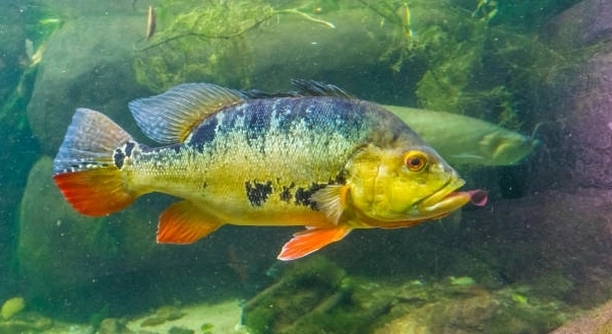
African cichlids are popular fish kept in home aquariums because of their bright colors and lively behavior. Like any pet, they can get stressed by changes in their environment or care. Understanding what stresses these fish helps keep them healthy.
African cichlids experience stress from poor water quality, overcrowding, improper diet, sudden changes in temperature, lack of hiding spaces, aggressive tank mates, and inadequate tank size. These factors disrupt their well-being and can lead to illness or death.
Knowing these common stressors is important for maintaining a happy and healthy aquarium environment for your cichlids. This article will explain each cause in simple terms to help you care for your fish better.
Poor Water Quality
Water quality is the most important factor in keeping African cichlids healthy. These fish need clean, well-maintained water to thrive. When water becomes dirty or polluted, it can cause stress and illness. Waste from fish, leftover food, and decaying plants all contribute to poor water conditions. Ammonia and nitrite levels can rise quickly if the tank is not cleaned regularly or if the filtration system is weak. Testing water often helps catch problems early. Changing part of the water regularly keeps the environment safe for your cichlids. Neglecting water quality leads to weakened immune systems, making fish more likely to get sick. Keeping a steady water temperature and pH is also essential, as sudden changes add to stress. A clean tank makes your cichlids feel comfortable and allows their colors and behavior to shine.
Regular water changes and testing are key to avoiding stress from poor water conditions.
Maintaining water quality requires commitment but pays off with healthier, happier fish. Using a reliable filter and vacuuming the gravel helps remove debris. Avoid overfeeding, as excess food pollutes the water. Keeping the tank environment stable ensures your cichlids stay active and vibrant. Monitoring water parameters like pH, hardness, and temperature helps prevent surprises that can upset your fish. If problems arise, addressing them quickly reduces long-term damage. Remember, a clean and balanced tank is the foundation of good fish care.
Overcrowding
Overcrowding happens when too many fish live in a tank that is too small. This increases competition for space, food, and oxygen. Overcrowded tanks cause fish to feel stressed and aggressive. It also raises waste levels, worsening water quality. Giving each cichlid enough space helps reduce stress.
Overcrowding can make fish fight and damage their health over time.
To avoid overcrowding, research how much space each type of cichlid needs before adding them to your aquarium. A general rule is one inch of fish per gallon of water, but some species need more room. Provide hiding spots and plants to help fish establish territories. Keeping the tank balanced in size and population creates a calm environment where your cichlids can thrive peacefully. Regularly assess the tank population and consider moving some fish if the tank becomes too crowded.
Improper Diet
Feeding African cichlids the wrong food can cause stress and health problems. They need a balanced diet that fits their species’ natural eating habits.
Cichlids are often omnivores or herbivores, so a diet heavy in protein or lacking plant matter can upset their digestion. Overfeeding can also pollute the water, adding stress. It’s important to give them high-quality pellets or flakes designed for cichlids, supplemented with occasional fresh vegetables or live food. Avoid feeding too many treats or human food, as this can lead to nutritional imbalances and poor health.
A proper diet supports growth, bright colors, and strong immune systems. Watching their eating habits can help you spot issues early. Consistent feeding times and portion control prevent overeating and keep your tank cleaner. When the diet matches their needs, your cichlids will be more active and less stressed overall.
Sudden Temperature Changes
Sudden shifts in tank temperature cause immediate stress for African cichlids. They thrive best in stable water conditions.
Temperature changes can weaken their immune systems and increase susceptibility to disease. Keeping the heater and thermometer steady prevents shock. It’s best to avoid placing tanks near windows, vents, or appliances that cause rapid temperature fluctuations. Gradual changes over hours or days are less harmful, but sudden shifts in a few minutes can be dangerous. Consistency in temperature helps maintain fish comfort and behavior. Monitoring daily helps catch problems early before stress affects your fish’s health or appetite.
Lack of Hiding Spaces
African cichlids need places to hide to feel safe. Without enough shelters, they become stressed and vulnerable.
Providing rocks, caves, or plants gives them space to retreat. This reduces aggression and helps establish territories.
Aggressive Tank Mates
Some fish are naturally aggressive and cause stress for African cichlids. Mixing incompatible species can lead to fights.
Choosing peaceful tank mates and monitoring interactions helps keep the tank calm. Avoid overcrowding to reduce conflict and stress.
Inadequate Tank Size
A small tank limits swimming space and causes stress for active cichlids. Crowded conditions reduce oxygen and increase waste buildup.
Larger tanks with enough room for each fish promote healthier behavior and reduce stress, leading to longer life spans.
Overfeeding
Overfeeding causes water pollution and health problems. Uneaten food decays, harming water quality and stressing fish.
What causes stress in African cichlids?
Stress in African cichlids is caused by several factors, including poor water quality, overcrowding, improper diet, sudden temperature changes, lack of hiding places, aggressive tank mates, and inadequate tank size. Each of these factors disrupts the fish’s environment, making it harder for them to stay healthy and comfortable. When fish are stressed, their immune systems weaken, making them more vulnerable to diseases.
How can I improve water quality for my cichlids?
Improving water quality involves regular water changes, testing for ammonia, nitrite, and nitrate levels, and using a good filtration system. It’s important to remove leftover food and waste from the tank often. Avoid overfeeding to reduce waste buildup. Maintaining stable pH and temperature levels is also essential. Testing water weekly helps catch problems early before they affect your fish’s health.
Why do cichlids need hiding spaces?
Hiding spaces help cichlids feel safe and reduce stress. These fish are territorial, and places like caves or plants allow them to escape aggressive tank mates or retreat during breeding. Without enough hiding spots, fish can become anxious, leading to health problems and aggressive behavior.
Can overcrowding harm my fish?
Yes, overcrowding is harmful. Too many fish in a small tank increase competition for food, oxygen, and space. This leads to higher waste levels and poorer water quality. Crowded fish often fight and stress out, which weakens their immune systems. Giving each fish enough space is important for their well-being.
What is the best diet for African cichlids?
African cichlids need a balanced diet suited to their species. Many are omnivores or herbivores, so their food should include plant matter and protein. High-quality cichlid pellets or flakes are recommended, along with occasional fresh vegetables or live food. Avoid overfeeding and human food, which can cause digestive issues and water pollution.
How does temperature affect cichlids?
Cichlids require stable water temperatures, usually between 75°F and 82°F (24°C–28°C). Sudden temperature changes cause stress and can lead to illness. Using a reliable heater and thermometer helps keep the temperature steady. Avoid placing the tank near drafts or heat sources that cause quick shifts.
Can aggressive tank mates stress African cichlids?
Yes, aggressive fish can stress African cichlids by causing fights and injuries. It’s important to choose tank mates carefully, focusing on species that are compatible and peaceful. Watching fish behavior regularly helps detect aggression early. Separating aggressive individuals or adjusting tank population can reduce stress.
How do I know if my cichlids are stressed?
Signs of stress include hiding more than usual, loss of appetite, faded colors, erratic swimming, and visible physical damage like torn fins. If you notice these signs, check water quality, tank size, and other factors that may be causing discomfort. Addressing the issue quickly can prevent illness.
Is tank size important for cichlids?
Tank size is very important. African cichlids are active swimmers and need space to move and establish territories. Small tanks increase stress by limiting movement and worsening water quality. Larger tanks support better health and natural behavior, reducing aggression and stress.
How often should I feed my cichlids?
Feed your cichlids once or twice daily with amounts they can eat within a few minutes. Overfeeding wastes food and pollutes water. Adjust feeding amounts based on fish size and activity. Consistency helps maintain good water quality and fish health.
What should I do if my cichlids show signs of stress?
If your cichlids show stress signs, test water quality immediately. Perform a partial water change if necessary. Check tank size and overcrowding, and remove aggressive fish if needed. Make sure diet and temperature are appropriate. Providing hiding spaces can also help calm stressed fish. Taking these steps quickly improves their health.
Can stress cause diseases in African cichlids?
Yes, stress weakens the immune system and makes cichlids more likely to get infections such as ich, fin rot, or fungal diseases. Reducing stressors and maintaining a clean tank environment helps prevent these illnesses and keeps your fish healthy for longer.
Final thoughts about caring for African cichlids focus on creating a stable and comfortable environment. These fish are beautiful and lively, but they need good care to stay healthy. Stress is a big problem that can harm them, so it’s important to watch for signs and take steps to reduce it. Paying attention to water quality, tank size, diet, and tank mates will help keep stress low. When you meet their basic needs, cichlids can live longer and show their bright colors and interesting behavior.
Keeping the water clean is the foundation of good care. Regular water changes and using a good filter keep harmful chemicals and waste under control. Testing water often helps you know when something is wrong before the fish get sick. It’s also important to keep the tank temperature steady and avoid sudden changes. These simple steps make the tank feel like a safe place for your cichlids. A clean tank with the right conditions helps your fish stay strong and active every day.
Lastly, remember that African cichlids need space and places to hide. Overcrowding and lack of hiding spots cause stress and fighting. Giving them enough room and adding decorations like rocks or caves helps them feel safe. Feeding them a balanced diet also plays a key role in their health. Watching your fish carefully will help you notice if they are stressed or sick. With good care and attention, African cichlids can thrive and bring joy to your aquarium for years to come.

Hello,
If you enjoy the content that we create, please consider saying a "Thank You!" by leaving a tip.
Every little bit helps us continue crafting quality advice that supports the health, happiness, and well-being of pets around the world, for pets of all shapes, sizes, and species.
We really appreciate the kindness and support that you show us!