
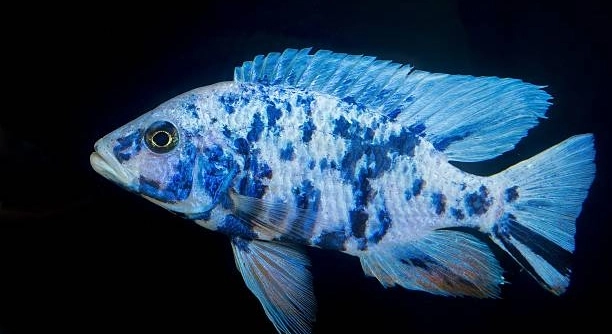
Do your cichlids constantly chase each other around, making your tank feel more like a battleground than a peaceful habitat?
The most effective way to create territories in a cichlid aquarium is by using rocks, caves, and plants to establish visual barriers. These elements help reduce aggression by allowing each fish to claim and defend its own space.
Creating separate zones in your tank can lead to a more balanced environment and healthier social behavior among your fish.
Choosing the Right Decorations for Territory Creation
When setting up your cichlid aquarium, use decorations that naturally break the line of sight. Large rocks, ceramic caves, driftwood, and artificial or live plants work well to establish borders between territories. Focus on creating multiple hiding spots and structures at different tank levels. This helps reduce conflict by giving each fish a designated area to retreat to or patrol. Use enough elements to visually divide the tank without overcrowding it. Rocks and caves should be placed with intention, offering clear separations rather than random scatter. Make sure the layout allows for open swimming space too, especially near the center. The key is balance—enough structure for boundaries, but not so much that the tank feels cramped. A well-planned layout leads to calmer fish and fewer aggressive behaviors. When the aquarium mimics natural environments, cichlids tend to behave in more stable, predictable ways, which makes the tank easier to maintain long-term.
Choose decorations with smooth edges to prevent injury during chases. Avoid sharp rocks or small objects they can get stuck in.
Make adjustments gradually. Rearranging decorations too often or all at once can stress the fish and disrupt established territories.
Understanding Cichlid Behavior and Aggression
Territorial aggression in cichlids is normal behavior. Most species naturally establish and defend space, especially during mating. Males are often more aggressive, but females will also defend areas with food or fry. Without defined spaces, they become stressed and lash out more frequently.
Cichlids are visual creatures. They rely heavily on sight to identify territory limits and intruders. When their line of sight is broken by structures, it lowers the chances of conflict. If one fish can’t see another all the time, it’s less likely to chase or attack it. This is especially important in tanks with dominant individuals. Territorial balance can also depend on the number of fish. Overcrowding can increase stress, while too few fish may leave the weaker ones more vulnerable. In many cases, keeping similar-sized species with comparable temperaments works best. Understanding this behavior helps you set up the tank in a way that feels natural to them. The goal is not to eliminate aggression completely, but to manage it through smart design.
Managing Tank Size and Layout
A cramped tank increases stress and aggression. Cichlids need space to establish boundaries, so the tank should be large enough for multiple zones. A longer tank works better than a tall one for creating horizontal territories.
A 55-gallon tank is a good starting point for most medium-sized cichlid species. It provides enough space for dividing territories and allows for proper swimming room. Layout matters just as much as size. Place larger rocks or decorations in a way that splits the tank into sections, creating both front and back areas. Avoid lining decorations along the walls; stagger them to interrupt sightlines across the tank. Taller items should be placed toward the back, with shorter ones in the front, to keep the layout open but structured. This approach gives the fish a sense of control over their space, which helps lower tension and creates a more stable environment over time.
Keep enough open swimming areas between the territories to prevent crowding. Cichlids need to patrol their space without constantly running into each other. Avoid over-decorating the middle section of the tank. Instead, use it as a buffer zone between different territories. A clean, intentional design encourages calmer tank behavior.
Balancing Stocking and Tankmates
Overstocking can lead to aggression, but understocking might single out weaker fish. Cichlids thrive when tankmates are carefully chosen based on size, temperament, and species. Avoid mixing highly aggressive and passive types.
Use a stocking method called “overcrowding with purpose” for more aggressive species. This method involves intentionally keeping slightly more cichlids in the tank to spread aggression among many fish instead of just one or two. It only works if the tank is large enough and the filtration is strong. For milder cichlid types, stick to small groups and ensure each fish has room to establish a territory. Don’t mix too many different species, especially if they come from different regions or have mismatched care needs. Stick to species that thrive under similar water conditions. Pay attention to gender balance, especially with males, as too many can lead to nonstop competition. Observing your tank closely helps you know when adjustments are needed to keep harmony.
Monitoring Territory Changes Over Time
Territories in a cichlid tank can shift as fish grow, mature, or breed. A setup that worked well at first may need adjustments later. Keep an eye on their behavior and make small changes when needed.
Watch for signs like constant chasing, fin damage, or a fish hiding all day. These may show that territory boundaries are being challenged. Rearranging decorations slightly or adding a new hiding spot can help restore balance without fully resetting the tank.
Feeding to Reduce Aggression
Feeding time can trigger territorial behavior, especially if food is scattered unevenly. To lower aggression, feed in multiple spots across the tank. Use sinking pellets or slow-sinking flakes that reach different levels. This gives all fish a chance to eat without crowding one area. Feed smaller portions more often rather than one large meal. It keeps energy levels steady and discourages fights. Avoid hand feeding or placing food near one territory. Spreading it out prevents one fish from controlling the whole feeding zone. Overfeeding can lead to cloudy water and added stress, so always feed only what they can finish in a few minutes.
Keeping Water Conditions Stable
Stable water parameters help maintain peaceful behavior. Fluctuations in pH, temperature, or hardness can stress fish and increase aggression. Test the water regularly and do consistent water changes to keep the environment calm and balanced.
FAQ
How many territories should I create in a cichlid tank?
Aim to create one distinct territory per dominant fish, especially for males. If you have five medium-sized cichlids, try setting up at least five separate zones using rocks, plants, or caves. Not all fish will claim a spot, but offering enough choices helps reduce competition. Each territory should be clearly divided by decorations that block the line of sight. Don’t cluster all the hiding spaces in one section—spread them out across the tank to give more balanced access. If your fish are still fighting over spots, consider adding more breaks or rearranging the tank slightly.
Can I rearrange the tank to reset aggression?
Yes, rearranging can help when aggression gets out of control. Moving rocks and hiding spots breaks up established territories and can give less dominant fish a fresh start. This works best if done all at once rather than little by little. However, avoid doing this too often—constant change can lead to stress. Use this method when introducing new fish or when one fish is clearly being bullied. After rearranging, watch closely to see how the fish adjust. Some aggression is normal during re-establishment, but it should calm down after a few days.
What types of decorations work best for territory building?
Flat rocks, caves, stacked slate, driftwood, and tall artificial plants work well. Focus on materials that are easy to clean and won’t affect water quality. Caves with one entrance are especially useful for fish that like to claim a spot and guard it. Tall decorations can break vertical lines of sight, while wide structures divide horizontal space. Use a mix of shapes and sizes to mimic a natural environment. Avoid sharp items or decorations with small holes where fish might get stuck. Keep enough open space between each feature to avoid crowding.
Can different cichlid species share a tank and territories?
It depends on the species. Some African cichlids can coexist with others from the same lake, like Lake Malawi or Lake Tanganyika, as long as they have similar temperaments. South American cichlids may not mix well with African ones due to different water needs. Never put aggressive and passive species together—this leads to stress, injuries, or death. If mixing species, use a large tank with many hiding places and a strong filter. Monitor behavior often and be prepared to rehome any fish that gets bullied or becomes too dominant.
What should I do if one fish takes over the entire tank?
This often happens with overly dominant males. The best fix is to rearrange the tank and introduce more visual breaks. Sometimes adding more fish of similar size and temperament can help spread the aggression. If that doesn’t work, remove the aggressive fish temporarily and reintroduce it after a few days. This can help break territorial dominance. In more extreme cases, it may need to be rehomed. Keeping a balanced stock and providing enough shelter are your best defenses against this problem.
Does lighting affect territorial behavior?
Yes, bright lights can make fish feel exposed, which may increase tension and chasing. Using dimmer lights or floating plants can help reduce this stress. A darker setup often encourages cichlids to stay in their own spaces rather than constantly patrolling the tank. Avoid sharp contrasts—use a light that spreads evenly across the tank. If aggression spikes after a lighting change, consider lowering brightness or using a timer to simulate natural day and night cycles. Proper lighting supports a stable and calmer tank environment.
How do I know if a fish is being bullied?
Signs include torn fins, hiding in corners, lack of appetite, or sitting near the surface or substrate for long periods. A bullied fish will usually avoid swimming in open space and may lose color. If you notice this, check for an overly aggressive tankmate and consider rearranging the layout or providing more hiding spots. In some cases, the bullied fish should be moved to a separate tank to recover. Ignoring these signs can lead to illness or death due to constant stress.
Should I use dividers to separate territories?
Dividers can be helpful in serious cases but should be a last resort. They limit swimming space and can interfere with water flow. If used, make sure they are secure and don’t block filtration. Use them to isolate an aggressive fish temporarily or to protect a weak one. Once aggression decreases, try removing the divider and observe behavior. If the aggression returns, it may not be the right mix of fish. Long-term use of dividers is not ideal, but they can help stabilize things during stressful situations.
Final Thoughts
Creating territories in a cichlid aquarium is one of the most effective ways to manage aggression and support natural behavior. Cichlids are territorial by nature, and giving them clear, separate spaces helps reduce stress and fighting. The setup doesn’t need to be complex, but it does need to be intentional. Using rocks, caves, driftwood, and plants to break the tank into smaller zones allows each fish to claim a space. This is especially important in community tanks where multiple cichlids live together. With enough barriers and hiding spots, each fish can feel secure without constantly running into others. A balanced layout that offers structure and swimming space keeps the tank calm and makes maintenance easier.
Tank size, decoration placement, and stocking choices all work together to shape how well territories form. A longer tank gives more horizontal space, which is better for separating territories. When decorations are staggered instead of lined up, they do a better job of interrupting sightlines. This stops aggressive fish from always seeing each other, lowering the chance of conflict. Matching species with similar needs and temperaments also makes a big difference. While it might take a little time to get the balance right, small changes like rearranging rocks or adding a few more hiding spots often lead to big improvements. Watching how the fish act after each change helps you know what’s working and what needs to be adjusted.
Territorial management is not just about keeping peace—it also supports the overall health of the fish. When cichlids feel safe, they eat better, show more natural behavior, and are less likely to get sick. Over time, stable territories lead to a more predictable tank environment, which makes care easier for you too. There’s no one-size-fits-all approach, and sometimes you’ll need to try different layouts or make changes based on how the fish interact. But with careful planning, consistent observation, and a few well-placed decorations, your cichlid tank can become a healthy, active, and peaceful space. A calm tank is not only better for the fish—it’s also more enjoyable to watch and care for each day.

Hello,
If you enjoy the content that we create, please consider saying a "Thank You!" by leaving a tip.
Every little bit helps us continue crafting quality advice that supports the health, happiness, and well-being of pets around the world, for pets of all shapes, sizes, and species.
We really appreciate the kindness and support that you show us!