
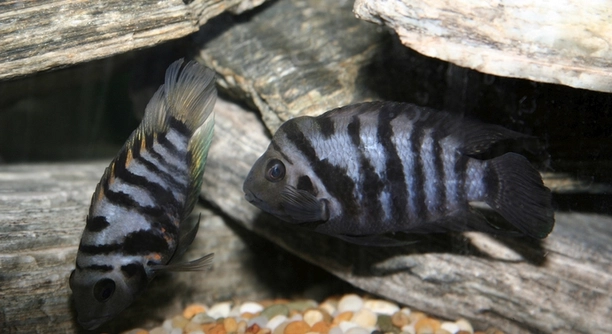
Many cichlid owners find tank maintenance challenging but essential for healthy fish. Keeping the tank clean and stable helps prevent common problems and supports the wellbeing of these colorful pets. Proper care ensures a thriving aquatic environment.
Regular tank maintenance for cichlids involves consistent water changes, monitoring water parameters, cleaning substrates and filters, avoiding overfeeding, and checking for signs of illness. These steps collectively maintain water quality and promote fish health and longevity.
Following these tips will help create a stable habitat for your cichlids. Maintaining the right conditions protects their health and enhances their natural beauty. Proper care makes a big difference in their daily life.
Keep the Water Clean
Regular water changes are essential for a healthy cichlid tank. Changing about 20-25% of the water every week helps remove waste and toxins that build up over time. Fresh water keeps the environment stable and reduces stress for your fish. When adding new water, make sure it is treated to remove chlorine and matches the tank’s temperature. This prevents sudden changes that can harm the fish. Skipping water changes can cause cloudy water and increase harmful ammonia and nitrate levels. A clean tank also helps prevent algae growth, which can affect the tank’s appearance and water quality. Using a siphon during water changes also cleans the gravel and removes debris. This small effort keeps the tank looking good and the fish healthy. Over time, clean water helps your cichlids live longer and display their best colors.
Regular water changes are one of the simplest ways to improve tank health and fish wellbeing.
Maintaining clean water reduces the risk of diseases and supports the biological balance in the tank. It also keeps the fish comfortable and active, encouraging natural behavior. Consistent water quality makes it easier to manage the tank in the long run and helps avoid major problems.
Monitor Water Parameters Carefully
Testing water parameters regularly is important to keep your cichlid tank stable. Parameters like pH, ammonia, nitrite, and nitrate levels tell you if the water is safe. Sudden changes can stress fish and lead to illness. Different cichlid species need specific pH and hardness levels, so knowing your fish’s requirements is crucial. Testing kits are easy to use and give quick results. Keep a log to track changes and notice problems early. Adjustments can be made with water conditioners or by changing the water. Avoid making large adjustments all at once, as this can shock the fish. Consistent monitoring helps maintain a balanced environment where your cichlids can thrive and stay healthy.
Keeping a close eye on water parameters helps protect your fish from unexpected health issues and ensures a peaceful tank environment.
Clean the Filter Regularly
A clean filter is key to a healthy cichlid tank. Filters trap waste and harmful particles, so keeping them clean ensures good water flow and quality.
Cleaning the filter every two to four weeks prevents clogging and maintains proper filtration. Avoid using tap water directly, as chlorine can kill beneficial bacteria. Instead, rinse filter media gently in tank water during water changes. This keeps the helpful bacteria alive, which break down harmful substances like ammonia and nitrites. A well-maintained filter supports clear water and a safe environment for your fish, reducing stress and illness risks.
Over-cleaning or replacing all filter media at once can disrupt the tank’s biological balance. Be careful to clean parts separately and gradually to avoid sudden changes. Proper filter care is one of the easiest ways to keep your cichlids healthy and the tank stable over time.
Avoid Overfeeding Your Cichlids
Overfeeding is a common problem that can harm both fish and water quality. Feeding only what your cichlids can eat in a few minutes keeps the tank clean and fish healthy.
Uneaten food breaks down and pollutes the water, leading to higher ammonia and nitrate levels. This creates stress and potential health issues for your fish. Feeding small portions two to three times a day is enough for most cichlids. Remove any leftover food after feeding to prevent decay. Use high-quality food designed for cichlids to provide balanced nutrition. Feeding the right amount supports growth and vibrant colors while preventing tank problems.
By controlling feeding habits, you help maintain a cleaner tank and promote a healthy environment where your cichlids can thrive naturally.
Check for Signs of Illness
Watching your cichlids closely helps catch health problems early. Look for changes in behavior, appetite, or appearance, such as spots, redness, or frayed fins.
Early detection allows for quick treatment and better chances of recovery. Regular observation keeps your fish healthier and your tank stable.
Maintain Proper Temperature
Cichlids need stable water temperature to stay healthy. Most species thrive between 75°F and 82°F (24°C to 28°C). Sudden temperature changes stress fish and lower their immunity. Use a reliable heater and thermometer to keep the temperature steady. Check both daily to ensure the environment stays comfortable. Adjust slowly if needed to avoid shocking your fish. Maintaining the right temperature supports natural activity, feeding, and breeding behaviors, making your cichlids happier.
Avoid Overcrowding
Too many fish in one tank increases waste and stress. Keep the number of cichlids suitable for your tank size to maintain balance and water quality.
How often should I change the water in my cichlid tank?
Water changes should be done weekly, replacing about 20-25% of the tank water each time. This helps remove waste and toxins that build up, keeping the water clean and safe for your fish. Consistent changes prevent sudden spikes in ammonia or nitrate levels, which can stress or harm cichlids. If your tank is heavily stocked, more frequent changes might be needed. Always treat new water to remove chlorine and match the temperature to the tank before adding it.
What is the best way to clean the filter without harming beneficial bacteria?
Rinse the filter media gently in water taken from the tank during water changes. Avoid using tap water, as chlorine and chloramines can kill beneficial bacteria that help break down waste. Cleaning the filter too thoroughly or replacing all media at once can disrupt the biological balance, causing ammonia or nitrite spikes. Clean only parts of the filter at a time to maintain a healthy bacteria colony, ensuring good water quality and a stable tank environment.
How can I tell if my cichlids are stressed?
Signs of stress include hiding more than usual, loss of appetite, faded colors, rapid breathing, or unusual swimming patterns. Stress can come from poor water quality, overcrowding, sudden changes in environment, or aggressive tank mates. Keeping the water clean, stable, and providing enough space helps reduce stress. Regular observation helps catch problems early before they affect your fish’s health.
Is it okay to keep different species of cichlids together?
Some cichlid species can live together peacefully, but many are territorial and aggressive. Research each species’ temperament and tank size needs before mixing them. Avoid putting very aggressive fish with peaceful ones to reduce fights. Providing plenty of hiding spots and space can help manage aggression, but it’s best to monitor interactions closely. If you notice frequent fighting, consider separating the fish to prevent injury.
How much should I feed my cichlids daily?
Feed only what your cichlids can eat within 2 to 3 minutes, once or twice a day. Overfeeding leads to leftover food that pollutes the water and causes health problems. Using high-quality, species-appropriate food ensures balanced nutrition. Remove any uneaten food promptly to keep the tank clean. Adjust feeding amounts based on your fish’s size, number, and activity level.
What is the ideal temperature range for a cichlid tank?
Most cichlids do well between 75°F and 82°F (24°C to 28°C). Keeping the temperature steady within this range is important because sudden changes stress the fish and weaken their immune systems. Use a good heater and thermometer to monitor conditions daily. Adjust temperature gradually if needed to avoid shocking your fish.
How often should I test the water parameters?
Test key parameters like pH, ammonia, nitrites, and nitrates at least once a week. This helps catch any issues early before they become serious problems. If you notice signs of stress or illness in your fish, test more frequently. Keep a record of results to track trends and know when to take action.
Can I use tap water directly for my tank?
Tap water usually contains chlorine or chloramines that can harm fish and beneficial bacteria. Always treat tap water with a water conditioner to neutralize these chemicals before adding it to your tank. Letting water sit for 24 hours is not enough to remove chloramines. Using treated water protects your fish and keeps the tank’s biological system balanced.
What should I do if I notice algae growing in the tank?
Algae growth is normal but excessive algae can harm the tank environment. Control algae by reducing light exposure to 8-10 hours daily, avoiding overfeeding, and maintaining good water quality through regular changes. You can also add algae-eating fish or snails compatible with cichlids. Cleaning the tank walls and decorations manually helps keep algae in check.
How can I avoid overcrowding in my cichlid tank?
Follow the general rule of one inch of fish per gallon of water, but remember cichlids need more space due to their size and behavior. Overcrowding causes stress, poor water quality, and increased disease risk. Choose the right tank size for the number and species of cichlids you keep, and avoid adding too many fish at once. Proper stocking ensures a balanced and healthy tank.
Maintaining a cichlid tank takes regular attention and care. It is important to keep the water clean, monitor water parameters, and clean the filter often. These steps create a healthy environment that supports your fish’s wellbeing. When the tank conditions are right, your cichlids will live longer and show their best colors. Taking time each week to perform simple tasks helps avoid many common problems and keeps the tank stable.
Feeding your cichlids the right amount of food is another key part of tank maintenance. Overfeeding can pollute the water and lead to health issues for your fish. Feeding small portions and removing any leftover food keeps the tank clean and reduces stress. Watching your fish daily helps you notice any changes in behavior or appearance early on. This allows you to act quickly if a fish shows signs of illness or stress, helping protect the entire tank community.
Finally, it is important to avoid overcrowding and keep the tank temperature steady. Overcrowding can increase waste and cause fights between fish, while sudden temperature changes can weaken their immune systems. Providing enough space and stable conditions helps cichlids feel secure and thrive. By following these basic tips and paying close attention to your tank’s needs, you can enjoy a beautiful, healthy home for your cichlids. Consistent care makes a big difference in their daily life and long-term health.

Hello,
If you enjoy the content that we create, please consider saying a "Thank You!" by leaving a tip.
Every little bit helps us continue crafting quality advice that supports the health, happiness, and well-being of pets around the world, for pets of all shapes, sizes, and species.
We really appreciate the kindness and support that you show us!