
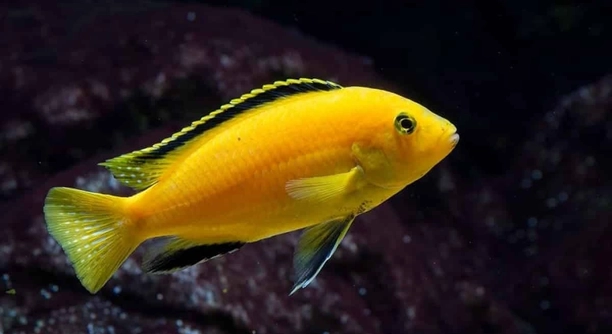
African cichlids are popular aquarium fish known for their vibrant colors and active behavior. Keeping them in the right environment is important to their health. Temperature plays a key role in how well these fish thrive in captivity.
If African cichlids are kept too cold, their metabolism slows down, leading to decreased activity and poor digestion. Prolonged exposure to low temperatures weakens their immune system, making them prone to illness and reducing their overall lifespan.
Knowing how cold water affects cichlids can help you create a better home for them. Understanding these effects is essential for maintaining their health and happiness.
Effects of Cold Water on African Cichlids’ Behavior and Health
When African cichlids are kept in water that is too cold, their behavior changes noticeably. They become less active and tend to hide more, losing some of the bright energy they usually show. Their metabolism slows down, which means they eat less and digest food poorly. This can lead to malnutrition or other health problems. Cold water also stresses their bodies, making it harder to fight off infections and diseases. Over time, these fish might develop symptoms like lethargy, clamped fins, or even abnormal swimming patterns. In extreme cases, cold stress can cause fatal organ failure. Maintaining a stable temperature is essential for their immune system to work properly. Proper care helps keep their colors vibrant and their behavior lively, which makes them a joy to watch in the aquarium.
Cold water has a direct negative impact on cichlids’ activity levels and health, increasing their risk of illness.
Understanding these effects can help aquarium owners adjust tank conditions quickly. Keeping African cichlids at the right temperature ensures they stay healthy, active, and colorful. Proper heating devices and regular monitoring of water temperature will protect the fish from stress and long-term damage.
Ideal Temperature Range for African Cichlids
African cichlids do best in water that stays between 75 and 82 degrees Fahrenheit. Temperatures below this range slow their metabolism, while temperatures above it can cause other health issues. Consistency in temperature is just as important as the actual number. Sudden changes can shock the fish, causing stress and vulnerability to disease. Using a reliable heater and thermometer helps keep the tank stable. Regular checks prevent temperature drops, especially at night or during colder months. Setting the tank environment within this range mimics their natural habitat, encouraging healthy behavior and vibrant colors. Keeping water warm enough supports their digestion, immune response, and overall well-being.
Maintaining water between 75°F and 82°F is crucial for keeping African cichlids healthy and comfortable.
A good heater with a thermostat prevents fluctuations that could harm your fish. Remember that each aquarium is different, so check your tank often and adjust the temperature as needed. Consistent warmth supports their natural habits and helps avoid problems caused by cold water.
How to Prevent Temperature Drops in Your Aquarium
Maintaining stable water temperature requires good equipment and regular monitoring. A quality heater and thermometer are essential for preventing temperature drops.
Aquarium heaters with built-in thermostats automatically adjust to keep water within the desired range. Placing the heater near the tank’s water flow helps distribute heat evenly. It’s important to check the thermometer daily, especially during cold nights or winter months when room temperature can drop. Avoid placing the aquarium near windows or air vents where cold drafts can lower the water temperature suddenly. Using an insulated tank cover can also reduce heat loss. Small changes might seem harmless but can stress your fish over time.
Power outages or equipment failure can quickly cause dangerous temperature drops. Having a backup heater or battery-powered air pump can keep conditions stable until normal heating is restored.
Signs Your African Cichlids Are Too Cold
When cichlids are too cold, they show clear signs of stress and discomfort. Lethargy and loss of appetite are common indicators.
Fish may also isolate themselves or hide more than usual, avoiding activity. Their colors can become dull and faded, a sign of poor health. Clamped fins—when fins stay close to the body instead of spreading out—often mean the fish is struggling with stress. In more severe cases, you might notice irregular swimming or difficulty maintaining balance. These symptoms usually appear gradually but worsen if the temperature stays low. Early detection and quick correction of tank conditions are key to helping your cichlids recover. Regular observation will allow you to catch these signs before serious damage occurs.
Recovering African Cichlids from Cold Stress
Recovery starts by slowly raising the water temperature to the ideal range. Sudden changes can shock the fish further.
Provide a clean environment with good water quality to support their immune system. Avoid feeding large amounts until they show appetite.
Risks of Prolonged Cold Exposure
Extended cold exposure weakens cichlids’ immune systems, making them vulnerable to infections. Parasites and bacterial diseases become more common. Without prompt care, prolonged cold stress can lead to organ failure and death.
Proper Tank Maintenance During Temperature Changes
Regular water changes help maintain a stable and healthy environment during temperature shifts. Removing waste reduces stress on fish.
Choosing the Right Heater for Your Aquarium
Select a heater suitable for your tank size to ensure efficient temperature control. Overpowered or underpowered heaters can cause fluctuations.
How cold is too cold for African cichlids?
African cichlids generally thrive between 75°F and 82°F. Temperatures below 72°F can start to stress them, while anything under 68°F is too cold for their health. Prolonged exposure to these low temperatures can slow their metabolism and weaken their immune system. Keeping the water consistently warm within their ideal range helps maintain their activity and vibrant colors.
What happens if my cichlids get too cold suddenly?
A sudden drop in temperature can shock cichlids, causing stress and potential immune system failure. They may become lethargic, stop eating, or show signs of illness. Sudden cold can also disrupt their digestion and lead to swim bladder issues. It’s best to avoid rapid temperature changes by using reliable heaters and keeping the tank away from cold drafts.
Can African cichlids recover from cold stress?
Yes, they can recover if the temperature is slowly returned to the proper range and water quality is maintained. During recovery, fish need a clean environment and minimal stress. Avoid overfeeding until they regain their appetite. Recovery may take days or weeks, depending on how long they were exposed to cold water.
How can I prevent temperature drops in my tank?
Use a heater with a built-in thermostat and place it near the water flow for even heat distribution. Check the temperature daily, especially during colder months or at night. Avoid placing the tank near windows, air vents, or exterior walls where drafts can lower the water temperature. Adding an insulated cover can reduce heat loss.
What signs show my cichlids are too cold?
Common signs include lethargy, loss of appetite, dull colors, and hiding more than usual. Clamped fins and abnormal swimming are also warning signs. These symptoms usually develop gradually but worsen if the cold condition continues. Observing your fish regularly helps detect these early and prevent serious health problems.
Is it okay to lower the temperature at night for African cichlids?
It’s best to keep the temperature stable throughout the day and night. Sudden nighttime drops can stress the fish, making them more vulnerable to illness. If you want to mimic natural conditions, any change should be slow and small—no more than 2°F difference—to avoid shocking your cichlids.
What type of heater is best for African cichlids?
Choose a heater rated for your tank size to ensure it can maintain stable temperatures. Submersible heaters with adjustable thermostats are usually reliable. Avoid heaters that are too powerful, as they can cause temperature fluctuations. Always use a separate thermometer to double-check the water temperature.
How often should I check my aquarium temperature?
Daily checks are ideal, especially during cold seasons or if your room temperature varies. Use a reliable aquarium thermometer and place it away from the heater to get accurate readings. Frequent monitoring helps catch temperature drops early before they harm your fish.
Can cold water cause disease in African cichlids?
Yes. Cold water weakens the immune system, making cichlids more susceptible to bacterial and parasitic infections. Diseases like ich or fin rot can develop more easily in cold, stressful conditions. Keeping water warm and stable is a key step in disease prevention.
What should I do during a power outage to protect my cichlids?
During a power outage, keep tank lights off to reduce stress and avoid feeding the fish. If possible, use battery-powered air pumps to maintain oxygen levels. Wrapping the tank in blankets or moving it to a warmer area can help maintain temperature. Consider having a backup heater or power source for emergencies.
How long can African cichlids survive in cold water?
They can survive short periods (a few hours) of mildly cold water but will suffer if the temperature remains too low for days or weeks. Prolonged exposure can cause serious health problems and even death. Immediate action is necessary if the tank temperature drops below their tolerance.
Can mixing cichlids from different temperature zones cause problems?
Yes. Some cichlids come from warmer or cooler natural habitats. Mixing species with different temperature needs can stress some fish and make it hard to maintain ideal tank conditions. It’s best to keep cichlids with similar temperature requirements together for a healthier environment.
Is it normal for cichlids to become less active in cooler water?
Yes, their metabolism slows in cooler water, so less activity is expected. However, this should not last long or be severe. Extended inactivity is a sign that the water temperature may be too low or there is another health issue.
How can I quickly raise the tank temperature if it’s too low?
Increase heater settings gradually to avoid shocking the fish. If needed, add a second heater rated for your tank size to help stabilize the temperature faster. Avoid hot water additions, as rapid temperature changes can harm the fish.
Are there natural signs in my cichlids’ behavior that indicate they are comfortable?
Active swimming, bright colors, and normal eating habits show your cichlids are comfortable. They should explore the tank and interact with other fish without hiding. Consistent behavior like this means the temperature and other conditions are right.
Keeping African cichlids at the right temperature is very important for their health and happiness. These fish are used to warm waters, so when the temperature drops too low, it affects them in many ways. Cold water slows down their metabolism, which means they move less, eat less, and can even get sick. If the water stays too cold for a long time, it weakens their immune system and makes it hard for them to fight off diseases. This can lead to serious problems or even death. That is why it is important to keep the water temperature stable and within their preferred range, which is usually between 75 and 82 degrees Fahrenheit.
Using the right equipment helps keep the temperature steady. A good heater with a thermostat is necessary for most tanks housing African cichlids. The heater should match the size of the aquarium so it can heat the water evenly without causing sudden changes. Checking the water temperature regularly is just as important. Even small temperature changes can stress the fish over time. Avoid placing the tank near windows or air vents where cold air can cause drops in temperature. Adding a cover or insulation can also reduce heat loss. These simple steps make a big difference in creating a comfortable environment for your fish.
If your cichlids do get too cold, it is important to act quickly but carefully. Raising the temperature slowly will help the fish recover without causing more stress. Keeping the tank clean and providing good water quality supports their immune system during this time. Watch for signs like lethargy, loss of appetite, or dull colors, which show the fish may be struggling. Early action can help prevent long-term health issues. Overall, understanding how temperature affects African cichlids and taking steps to maintain the right conditions will keep your aquarium healthy and your fish lively and colorful.

Hello,
If you enjoy the content that we create, please consider saying a "Thank You!" by leaving a tip.
Every little bit helps us continue crafting quality advice that supports the health, happiness, and well-being of pets around the world, for pets of all shapes, sizes, and species.
We really appreciate the kindness and support that you show us!