
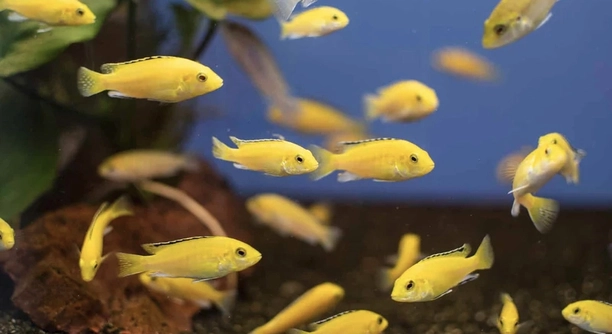
African cichlids are known for their strong territorial behavior. When they stop defending their territory, it can be surprising to fishkeepers who expect this natural instinct to continue. Understanding the reasons behind this change helps in caring for them properly.
African cichlids may cease territorial defense due to stress, illness, changes in tank conditions, or social dynamics within the aquarium. Factors like overcrowding, water quality deterioration, and shifts in hierarchy often influence their behavior.
Knowing what causes these changes is important for maintaining a healthy environment for your cichlids. This article explains the key factors that affect their territorial behavior.
Stress and Environmental Changes
Stress is a major factor that can cause African cichlids to stop defending their territory. Sudden changes in their environment, such as new tankmates or rearranged decorations, often unsettle them. Poor water quality or incorrect temperature can also increase stress levels, weakening their natural instincts. When stressed, cichlids may become less active and avoid confrontation to conserve energy. Overcrowding in the tank adds pressure and can lead to submissive behavior. Even subtle changes, like fluctuating lighting or frequent loud noises near the tank, can affect their sense of security. It is important to keep their environment stable and comfortable to maintain their territorial behavior. Regular water testing and tank maintenance help reduce stress and promote healthy activity. Watching for signs of stress, such as hiding or loss of appetite, can alert you to needed changes. Keeping the tank balanced supports both their health and natural instincts.
Maintaining consistent tank conditions reduces stress and helps cichlids stay territorial.
A calm and stable environment encourages cichlids to defend their space actively. It supports their natural behaviors and improves their overall health. Reducing stressors in the aquarium is key to seeing consistent territorial behavior. Avoid sudden changes and ensure water quality remains high. Introducing new fish gradually also helps minimize tension. When the tank is well-managed, cichlids are more likely to show their usual protective instincts and engage confidently with their surroundings.
Social Dynamics and Hierarchy
Social structure in a group of cichlids strongly affects territorial defense. When dominant fish lose status or become weak, they may stop defending their territory. Subordinate fish might also avoid confrontation to stay safe. Aggressive interactions help establish and maintain clear boundaries. If the hierarchy becomes unstable, territorial behavior may decline until a new balance forms. Recognizing these social shifts is essential for understanding changes in behavior.
Changes in dominance and social ranking impact how cichlids behave in their territory.
In a tank, cichlids naturally form a pecking order. The strongest fish usually control the best territories, defending them fiercely. If a dominant fish is removed or weakened by illness, others may hesitate to defend their areas. Sometimes multiple fish compete for dominance, causing stress and reducing territorial displays. Providing enough space and hiding spots can reduce conflicts and allow the social order to settle. Patience is important as cichlids adjust to new social conditions. Observing interactions helps identify when the hierarchy stabilizes and territorial behavior returns. This balance keeps the tank environment healthy and reduces aggression-related problems.
Illness and Physical Condition
Illness can greatly affect a cichlid’s willingness to defend its territory. Sick fish often become weak and less active, avoiding conflicts. Physical injuries or parasites may also reduce their ability to fight or assert dominance, leading to a drop in territorial behavior.
When a cichlid is unhealthy, its body focuses on healing rather than defending territory. Diseases like bacterial infections or parasites cause discomfort, making fish retreat to avoid stress. Loss of appetite and lethargy are common signs. Weakness from illness means they cannot chase away intruders or patrol their space effectively. Infected fish may isolate themselves, further reducing visible territorial defense. Prompt treatment and maintaining good tank hygiene are essential to restore health and natural behavior.
Physical damage from fights or poor water conditions also plays a role. Injuries limit movement and strength, discouraging territorial displays. Ensuring the tank environment is safe and clean helps prevent harm. If a fish shows signs of illness or injury, addressing it quickly supports recovery and encourages the return of normal territorial behavior. Regular monitoring and care improve the well-being of your cichlids.
Tank Size and Layout
Tank size and layout directly influence territorial behavior. Small or overcrowded tanks limit space, increasing stress and reducing effective territory defense. Adequate space and proper hiding spots allow fish to establish and maintain territories with less conflict.
A spacious tank provides room for multiple territories and reduces overlap between fish. Decorations, rocks, and plants help create natural barriers and shelters, giving each cichlid a defined area to claim. Without enough space, fish may feel threatened and stop defending specific spots, leading to stress and aggression. Rearranging tank decorations too often can confuse cichlids and disrupt their territorial boundaries. Planning the layout carefully and avoiding overcrowding supports stable social interactions. Consistent territory areas help fish feel secure and behave naturally, improving the tank’s overall harmony and health.
Aging and Life Stage
As African cichlids age, their territorial behavior often decreases. Older fish tend to become less aggressive and more tolerant of others in the tank.
Juvenile and young adult cichlids show stronger territorial instincts. With age, energy levels drop, and defending territory becomes less important for survival.
Water Quality
Poor water quality can quickly affect cichlids’ health and behavior. Ammonia, nitrite, or nitrate spikes cause stress, making fish less likely to defend territory.
Maintaining clean water through regular testing and water changes is vital. Stable water parameters help cichlids stay healthy and exhibit natural behaviors, including territory defense.
Feeding and Nutrition
Proper feeding supports a cichlid’s strength and aggression. Balanced diets with necessary nutrients encourage active territorial defense. Poor nutrition weakens fish and reduces territorial displays.
Ensuring regular feeding with quality food helps maintain health and natural behaviors. Overfeeding or inconsistent feeding schedules may cause stress and behavioral changes.
FAQ
Why do my African cichlids suddenly stop defending their territory?
Sudden changes in their environment often cause this behavior. Stress from new tankmates, poor water quality, or rearranged decorations can make cichlids less active and less willing to defend their space. Illness or injury also plays a role. Restoring stable conditions usually helps.
Can stress alone cause a cichlid to lose territorial behavior?
Yes, stress is a common reason for this change. Factors like overcrowding, loud noises, or unstable water conditions raise stress levels. When stressed, cichlids conserve energy and avoid conflict, so their usual territorial defense drops significantly.
How does social hierarchy affect territorial defense?
Cichlids form clear social ranks, with dominant fish controlling territories. If the dominant fish weakens or is removed, territorial defense may stop temporarily as others adjust. Subordinate fish often avoid confrontation until a new hierarchy forms.
What signs show my cichlid is too sick to defend territory?
Signs include lethargy, loss of appetite, hiding, and unusual swimming. Physical injuries or parasite presence also indicate poor health. Sick fish focus on healing and avoid energy-draining behaviors like territorial defense.
Does tank size impact territorial behavior?
Yes, small or overcrowded tanks limit space for territories. Without enough room or hiding spots, cichlids feel threatened and may stop defending areas. A properly sized tank with decorations helps fish claim spaces and reduces stress.
How often should I clean the tank to support territorial behavior?
Regular maintenance is essential. Weekly water changes and frequent testing keep water parameters stable. Clean water reduces stress and illness, which supports healthy territorial behavior in cichlids.
Can poor nutrition cause territorial behavior to decrease?
Definitely. Without proper nutrients, fish lose strength and energy. A balanced diet with proteins, vitamins, and minerals supports aggression and natural defense instincts. Inconsistent or low-quality feeding can weaken territorial displays.
Will aging always reduce territorial defense?
Usually, yes. Older cichlids become less aggressive and more tolerant as energy declines. Younger fish tend to be more territorial. However, healthy older fish may still defend their space if conditions are right.
What can I do to encourage my cichlids to defend territory again?
Maintain stable water quality, provide enough space, and avoid sudden changes. Monitor fish health closely and treat any illness promptly. Offering hiding places and a balanced diet also helps fish feel secure and strong enough to defend territory.
Are there specific species differences in territorial behavior?
Yes, different African cichlid species vary in aggression and territorial needs. Some are naturally more aggressive and require larger territories. Knowing the species helps tailor tank setup and care to support their natural behavior.
Final Thoughts
African cichlids are fascinating fish with strong territorial instincts, but several factors can cause them to stop defending their space. Changes in their environment, stress, illness, social shifts, and tank conditions all affect their behavior. Understanding these reasons is important for anyone keeping cichlids, as it helps maintain a healthy and balanced aquarium. Recognizing the signs of stress or illness and addressing them promptly can improve both the fish’s well-being and their natural behavior.
Creating a stable environment is key to encouraging territorial defense. This includes maintaining good water quality, providing enough space, and arranging the tank with suitable hiding spots and natural barriers. It is also important to avoid sudden changes, such as adding new fish without proper acclimation or frequently rearranging decorations. Social hierarchy plays a big role, so allowing time for the fish to settle into their ranks helps restore balance. A well-managed tank reduces stress and supports the instincts cichlids need to defend their territories confidently.
Proper care and attention to the needs of African cichlids will promote their health and natural behavior. Feeding them a balanced diet, monitoring for signs of illness, and ensuring the tank setup meets their needs are all parts of good husbandry. While territorial defense might fluctuate over time due to age or social changes, consistent care helps maintain a peaceful and thriving aquarium. Knowing the factors that influence territorial behavior allows for better management and a more enjoyable experience with these lively fish.

Hello,
If you enjoy the content that we create, please consider saying a "Thank You!" by leaving a tip.
Every little bit helps us continue crafting quality advice that supports the health, happiness, and well-being of pets around the world, for pets of all shapes, sizes, and species.
We really appreciate the kindness and support that you show us!