
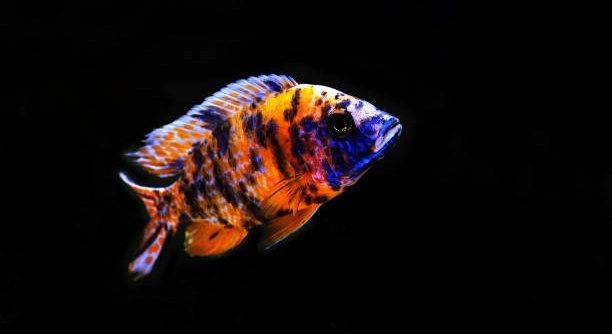
African cichlids are popular aquarium fish known for their vibrant colors and active behavior. Many enthusiasts wonder if these tropical fish can survive in colder water environments outside their native habitats. Understanding their adaptability is important for keeping them healthy.
African cichlids are generally tropical fish that thrive in warmer water temperatures. They do not naturally adapt well to cold water, as lower temperatures can slow their metabolism, weaken their immune systems, and cause stress-related illnesses, reducing their chances of survival.
Exploring how temperature affects these fish can help hobbyists maintain ideal conditions and avoid common health problems in their tanks.
Why Temperature Matters for African Cichlids
African cichlids originate from the warm waters of the African Great Lakes, where temperatures usually stay between 75 and 82°F (24-28°C). Their bodies are adapted to these stable conditions, allowing their metabolism and immune systems to function properly. When water temperature drops below their preferred range, cichlids can become sluggish, eat less, and their immune response weakens. This makes them more vulnerable to diseases and infections. Sudden temperature changes can also cause stress, which further compromises their health. Maintaining a steady temperature close to their natural habitat is essential for their well-being. Even small drops can impact their activity levels and breeding behavior. For people keeping African cichlids, understanding the importance of temperature helps prevent common problems and supports a healthier aquarium environment.
Cold water environments can cause serious health risks for African cichlids, affecting their overall lifespan.
Many cichlid keepers try to lower tank temperatures during warmer months or to mimic seasonal changes, but this can be risky. African cichlids are not equipped to handle cold water or fluctuating temperatures for long periods. Prolonged exposure to colder water slows their metabolism, reducing energy and immune function. This makes it easier for illnesses to develop. In some cases, fish may stop eating or become lethargic. Without proper temperature control, these issues can lead to death. It is better to maintain a stable, warm environment and avoid drastic temperature shifts. Using heaters and monitoring water temperature regularly is a practical way to keep cichlids healthy. Keeping their habitat within a safe temperature range supports their natural behaviors and overall vitality.
How to Maintain Proper Temperatures in Your Aquarium
Using a reliable aquarium heater is essential for keeping African cichlids comfortable in captivity. Heaters help maintain a steady temperature and prevent sudden drops. It is best to select a heater rated for your tank size to ensure even heating. Additionally, placing the heater near a water flow area helps distribute heat evenly. Thermometers should be installed in the tank to monitor temperature consistently. Avoid placing tanks near windows or air vents, which can cause unwanted fluctuations. Regularly checking and adjusting the equipment ensures that water temperature remains stable. Temperature stability promotes healthy metabolism and reduces stress, which lowers the risk of disease. Investing in good equipment and monitoring tools is a key part of successful cichlid care and long-term health.
A consistent temperature close to 78°F (25.5°C) keeps African cichlids active and healthy.
Understanding and managing the temperature in your aquarium protects these fish from avoidable health issues and supports their natural behaviors. Proper heating and monitoring create a safe environment where cichlids can thrive without the risks caused by cold water exposure.
Signs of Cold Stress in African Cichlids
Cold stress in African cichlids often shows through changes in behavior and appearance. Fish may become less active, hide more, or lose interest in food. Their colors might fade, and breathing can become rapid or labored.
When temperatures drop, cichlids’ metabolism slows down, which directly affects their energy and appetite. Reduced activity is one of the first signs, as fish try to conserve energy. You might notice them spending more time at the bottom or hiding behind decorations. Loss of appetite is another common symptom, which can quickly lead to weakened health. Their immune systems also become less effective, making them prone to infections. Early recognition of these signs is important to adjust tank conditions and prevent further decline.
In some cases, cold stress can cause physical damage such as clamped fins or lethargy lasting several days. Prolonged exposure may result in secondary infections, like fungal or bacterial diseases, due to the weakened immune response. It’s critical to monitor water temperature closely and react quickly if these symptoms appear to improve survival chances.
Adjusting Your Aquarium Setup for Temperature Control
Proper equipment is necessary to maintain a consistent temperature suitable for African cichlids. A quality heater and thermometer are must-haves in any tank housing these fish.
Aquarium heaters come in different sizes and power levels, so matching the heater to your tank’s volume ensures efficient heating. Placing the heater near the water flow helps distribute warmth evenly. Reliable thermometers help keep track of daily temperature changes, making it easier to spot fluctuations. Additional insulation, such as placing the tank away from drafty windows or air conditioners, prevents rapid cooling. Some hobbyists use automated temperature controllers for precise adjustments. These tools help reduce stress on the fish and protect them from sudden cold shocks.
Maintaining the right environment requires regular monitoring and adjustments. Checking equipment regularly prevents failures that could cause temperature drops. Simple steps like covering the tank during cold nights or adding more lighting can also help keep water warm. Taking these precautions creates a stable environment where African cichlids can thrive without temperature-related stress.
Can African Cichlids Survive in Cooler Water?
African cichlids can survive brief exposure to cooler water but cannot thrive long-term in temperatures below their ideal range. Their health declines as metabolism slows and immune defense weakens.
Keeping cichlids in cold water risks illness and reduces activity. Long-term survival requires maintaining water temperatures close to their natural warm habitat.
Effects of Cold Water on Behavior
In colder water, African cichlids often become less active and may stop eating. Their usual bright colors can fade, and they may spend more time hiding or resting at the bottom. These changes signal stress and discomfort.
Cold water suppresses natural behaviors such as breeding and exploration. Prolonged exposure can cause lasting damage to their overall health and vitality.
Best Temperature Range for African Cichlids
The ideal temperature range for African cichlids is between 75°F and 82°F (24°C to 28°C). Maintaining this range ensures their metabolism functions well, supports immune health, and encourages natural activity and breeding behaviors.
Risks of Sudden Temperature Changes
Sudden drops in temperature are more harmful than steady cool conditions. Rapid changes cause stress, weaken immunity, and increase susceptibility to disease.
FAQ
Can African cichlids live in cold water?
African cichlids are tropical fish adapted to warm water. They can survive short periods of cooler temperatures but will not thrive in cold water long-term. Extended exposure to temperatures below 75°F (24°C) can cause stress, illness, and even death.
What happens to cichlids in cold water?
Cold water slows their metabolism, making them less active and causing them to eat less. Their immune system weakens, increasing the risk of infections and disease. Stress from cold can also cause physical symptoms like faded colors and clamped fins.
How cold is too cold for African cichlids?
Temperatures below 70°F (21°C) are generally too cold. Below this range, cichlids experience serious stress and health risks. Ideally, water should stay within 75°F to 82°F (24-28°C) to keep them healthy.
Can I lower the temperature in my cichlid tank safely?
Lowering temperature slightly for short periods can be okay, but drastic or prolonged drops should be avoided. Sudden temperature changes are harmful. If you want to mimic seasonal changes, do it gradually and keep the water above 72°F (22°C).
What signs show my cichlids are cold stressed?
Look for reduced activity, hiding, loss of appetite, faded colors, labored breathing, and clamped fins. These signs indicate stress and possible illness due to cold water. Acting quickly to restore proper temperature can improve their condition.
How do I maintain a stable temperature?
Use a quality heater appropriate for your tank size and a reliable thermometer. Place the heater near water circulation areas for even heat distribution. Avoid placing tanks near drafts or windows that cause temperature swings. Regularly monitor and adjust equipment.
Is it okay to turn off the heater at night?
It’s best not to turn off the heater at night unless the room temperature stays consistently warm. Temperature drops overnight can stress your fish. A stable temperature is more important than saving energy in this case.
Can African cichlids adapt to colder climates?
African cichlids cannot naturally adapt to colder climates. They rely on warm, stable water to maintain health. Keeping them in cold environments requires careful temperature control indoors, as they do not tolerate cold water well.
What should I do if my cichlids get cold stressed?
Gradually raise the water temperature back to the recommended range. Monitor the fish for signs of recovery, such as increased activity and appetite. Consider treating for possible infections if symptoms persist, and improve water quality to support healing.
Are certain species more tolerant of cold?
Some cichlid species may tolerate slightly cooler water better than others, but African cichlids as a group generally prefer warm conditions. It’s safest to keep all African cichlids within their optimal temperature range.
How quickly does temperature affect African cichlids?
Temperature changes can affect cichlids within hours. Sudden drops cause immediate stress and weaken immune function. Consistent temperature control is key to avoiding sudden negative impacts.
Can I use a thermometer alone to check if my cichlids are comfortable?
A thermometer is essential but only one part of monitoring. Observe your fish’s behavior and appearance for signs of stress. Regular water testing for parameters like pH and ammonia is also important for overall health.
Is water temperature the only factor affecting cichlid health?
No, other factors like water quality, diet, tank size, and stress levels also influence their health. However, temperature is one of the most critical elements because it affects metabolism and immune function directly.
How often should I check the water temperature?
Daily checks are recommended, especially in environments with fluctuating room temperatures. Automated controllers can help maintain stability but regular manual checks ensure everything is functioning properly.
Can cold water kill African cichlids quickly?
Cold water itself may not kill them immediately, but the stress and weakened immunity it causes can lead to rapid health decline and death if not addressed promptly.
What equipment helps maintain temperature stability?
Heaters, thermometers, and temperature controllers are the main tools. Insulating the tank location and avoiding drafts also help. Backup power supplies can prevent temperature drops during outages.
Should I quarantine fish if they show cold stress symptoms?
Quarantine is advisable to prevent spreading infections, especially if secondary diseases develop. Keeping stressed fish separate allows better monitoring and targeted treatment.
Does colder water affect breeding in African cichlids?
Yes, lower temperatures reduce breeding activity. Cold water can prevent spawning and disrupt normal reproductive behavior, affecting population sustainability in captivity.
Is it possible to acclimate cichlids to slightly cooler water?
Slow acclimation to minor temperature changes is possible, but the range remains narrow. Large or rapid drops cause harm. Keeping cichlids within their natural temperature range is the safest approach.
African cichlids are beautiful and active fish that need specific conditions to stay healthy. One of the most important factors in their care is maintaining the right water temperature. These fish come from warm waters where temperatures remain fairly steady. When kept in tanks, replicating those warm conditions is necessary because sudden or prolonged drops in temperature can cause health problems. Cold water slows their metabolism and weakens their immune system, making them vulnerable to illness. Even though cichlids might survive brief exposure to cooler water, it is not suitable for their long-term well-being. Keeping their environment stable and warm helps them stay active, healthy, and vibrant.
Many fish owners may think that lowering the water temperature is not a big issue, but it can be harmful to African cichlids. When water becomes too cold, these fish tend to eat less and become less active. They may hide more and lose their bright colors, which are signs of stress. Stress from cold water also makes them prone to infections and other health problems. Fish that experience sudden temperature changes are at an even greater risk because their bodies do not have time to adjust. Proper equipment, like reliable heaters and thermometers, helps prevent these problems by keeping the tank water within a safe temperature range. Regular monitoring is important to catch any drops in temperature early before they cause serious harm.
Creating the right environment for African cichlids requires attention and care, especially when it comes to temperature control. Maintaining a steady temperature between 75°F and 82°F (24°C to 28°C) supports their natural behaviors, including feeding and breeding. Avoiding rapid temperature changes and keeping the tank away from drafts or windows can reduce stress on the fish. If cold stress does occur, slowly bringing the temperature back to the ideal range and observing the fish for signs of recovery is key. Overall, understanding the needs of African cichlids and providing stable, warm water conditions will help these fish thrive and live longer in home aquariums.

Hello,
If you enjoy the content that we create, please consider saying a "Thank You!" by leaving a tip.
Every little bit helps us continue crafting quality advice that supports the health, happiness, and well-being of pets around the world, for pets of all shapes, sizes, and species.
We really appreciate the kindness and support that you show us!