
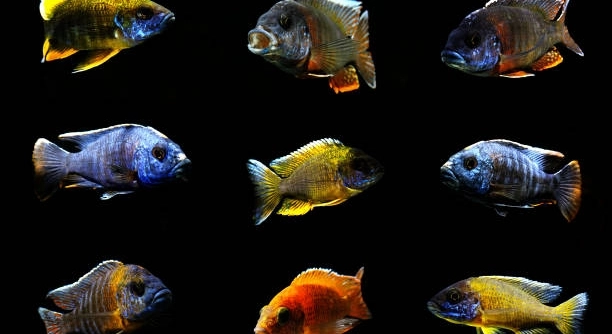
African cichlids are popular fish known for their vibrant colors and unique behaviors. Many aquarium enthusiasts enjoy keeping them, but understanding how they interact can be challenging. Recognizing signs of harmony is important for a healthy tank environment.
African cichlids getting along can be identified through their peaceful swimming patterns, lack of aggressive chasing or biting, and shared territory without constant conflict. Healthy social interactions include occasional displays rather than continuous fights or stress signals.
Knowing these behaviors helps maintain a balanced aquarium. This knowledge supports both the fish’s well-being and the overall harmony of your aquatic community.
Signs of Peaceful Behavior Among African Cichlids
When African cichlids are getting along, their behavior is noticeably calmer. They swim together without constantly chasing each other or showing aggressive postures like flaring fins or biting. These fish often share space peacefully, allowing each other to explore and feed without stress. You might see them resting side by side or cleaning themselves near others without fear. Occasional displays, such as brief chasing or territorial movements, are normal but should not escalate into fights. Watching your fish for consistent harmony can help you identify a balanced community. If aggression is low and fish seem relaxed, your tank is likely a peaceful environment.
Recognizing these signs early helps prevent problems and ensures a better habitat. Calm behavior means your cichlids are comfortable and healthy.
Monitoring your fish daily supports timely adjustments, like rearranging tank decorations or adjusting feeding, to maintain peace. This attentiveness improves their quality of life and prevents long-term conflicts.
Common Causes of Aggression
Aggression among African cichlids often arises from overcrowding or lack of hiding spots. Too many fish in a small tank leave little room for personal space. This causes stress and competition, leading to fights. Additionally, some species are naturally more territorial, especially during breeding periods. Without proper boundaries or enough shelters, dominant fish can bully others relentlessly. Tank setup plays a major role—rock formations, caves, and plants help reduce conflict by offering escape routes and private areas. Feeding routines also affect aggression; inconsistent feeding may cause fish to compete aggressively for food. Maintaining stable water conditions and balanced nutrition reduces stress and aggressive behaviors. Understanding and addressing these factors early improves harmony and supports healthy fish interactions over time.
How to Manage Aggressive Behavior
Reducing aggression starts with giving each fish enough space. Overcrowding increases tension and fights. Providing plenty of hiding spots can help fish feel safe and less territorial.
Rearranging tank decorations regularly disrupts established territories, lowering aggression. Adding rocks, caves, or plants creates visual barriers, so fish don’t constantly see each other. Keeping the tank clean and water parameters stable also reduces stress, which can trigger fights. Feeding your cichlids consistently with a balanced diet prevents competition during mealtime. Monitor behavior closely and remove any severely aggressive fish to protect others. Small changes in environment and care can greatly improve peace in the tank.
Using dim lighting during feeding times can calm fish and reduce food competition. If aggression continues, consider separating aggressive individuals temporarily. Watching interactions carefully allows you to make timely adjustments for a harmonious tank.
Understanding Social Hierarchies
African cichlids naturally form social hierarchies where dominant fish lead the group. This structure helps maintain order, with some fish claiming territories while others accept lower ranks. Recognizing these roles can explain occasional chasing or displays without serious harm. Dominant fish often show brighter colors and more confident movements, while submissive ones may hide or swim away quickly. These behaviors are part of their social balance and usually do not cause injury if the environment is well managed.
Maintaining enough space and shelters allows submissive fish to retreat safely, preventing constant stress or injury. Observing these natural interactions helps you support a stable community. Interfering too much with hierarchy may cause confusion and increase tension. Accepting some dominance behavior as normal keeps your tank environment realistic and balanced.
Feeding Habits and Their Impact
Feeding time can increase tension if not managed well. Overfeeding or uneven feeding encourages competition among African cichlids.
Using multiple feeding spots spreads out fish, reducing fights over food. Balanced diets help keep fish calm and healthy.
Tank Setup Considerations
Tank size and layout greatly influence fish behavior. Larger tanks offer more territory, reducing aggression. Decorations like rocks and caves provide hiding places. Open swimming areas help fish avoid confrontations. Proper setup supports natural behaviors and lowers stress, making coexistence easier for cichlids.
Signs of Stress to Watch For
Constant hiding, faded colors, or damaged fins may indicate stress. These signs suggest that fish are uncomfortable or threatened and need attention.
FAQ
How can I tell if my African cichlids are stressed?
Signs of stress include hiding frequently, loss of color, and damaged fins. Stressed fish often stay in one corner or avoid others. They may lose appetite or swim erratically. These behaviors suggest the tank environment or social dynamics need adjustment to improve their well-being.
What should I do if my cichlids keep fighting?
First, check for overcrowding and reduce the number of fish if needed. Add more hiding spots like rocks or caves to break up territories. Rearranging the tank layout can reset territorial claims. Also, ensure feeding is consistent and spread out to avoid competition over food.
Is it normal for African cichlids to chase each other?
Some chasing is natural and part of their social hierarchy. However, constant chasing or biting is a problem. Brief displays or quick chases help establish dominance but should not lead to injury or prolonged stress.
How many cichlids can I keep in one tank?
Tank size and species determine capacity. Generally, a 55-gallon tank can house 6 to 8 medium-sized African cichlids comfortably. Overcrowding leads to stress and fights, so providing enough space is essential.
Can I keep different species of African cichlids together?
Mixing species is possible but requires caution. Some species are more aggressive or territorial than others. Choose species with similar temperaments and size. Watch their interactions closely and be ready to separate if serious aggression occurs.
What role do hiding places play in cichlid behavior?
Hiding spots reduce stress by giving fish safe areas to retreat. They help prevent constant aggression and allow submissive fish to rest. Natural caves, rock piles, and dense plants are good options for providing shelter.
How often should I feed African cichlids?
Feed small amounts 1 to 2 times daily. Overfeeding can pollute the water and increase aggression during feeding. Balanced food like pellets, flakes, and occasional live or frozen treats keep them healthy and calm.
Why do dominant cichlids flare their fins?
Fin flaring is a display of strength used to assert dominance or warn rivals. It is part of their natural communication but should not turn into physical attacks. Observing these behaviors helps understand the social order in your tank.
What can I do if a fish is being bullied?
Provide extra hiding spaces and consider rearranging the tank. If bullying continues, isolate the aggressive fish temporarily. Monitor the bullied fish for signs of injury or stress, and act quickly to prevent harm.
Does lighting affect African cichlid behavior?
Bright lighting can increase stress and aggression, especially if fish feel exposed. Using dimmer or indirect lighting helps fish feel more secure, reducing territorial disputes and encouraging calmer behavior.
African cichlids are beautiful and active fish that bring life to any aquarium. Understanding how they interact is important for creating a peaceful environment. Observing their behavior closely helps identify if they are getting along or if there are signs of stress or aggression. When fish swim calmly together, share space, and show limited chasing or displays, it means they are comfortable with each other. Providing enough room, hiding spots, and stable tank conditions supports this harmony. Regular care and attention to their environment help reduce conflicts and keep the fish healthy.
Managing aggression in African cichlids requires a few practical steps. Overcrowding is a common issue, so it is important not to keep too many fish in a small tank. Adding rocks, caves, and plants gives fish places to hide and claim territory, which lowers tension. Feeding habits also influence behavior; feeding small amounts at several spots prevents fights over food. Sometimes, rearranging the tank layout can reset territorial boundaries and reduce ongoing conflicts. Watching how fish interact daily allows timely actions that improve their living conditions. These efforts create a balanced tank where the fish can thrive.
Being aware of social hierarchies in African cichlids helps set realistic expectations for their behavior. Dominant fish will show stronger colors and more confident movements, while submissive fish may keep to themselves or hide. This natural order usually keeps the group stable if space and resources are adequate. It is normal to see some chasing or displays of dominance, but serious fighting or injuries mean adjustments are needed. Providing a well-designed tank, balanced diet, and attentive care makes a big difference in maintaining peace. Overall, knowing these basic principles helps you create a healthy, harmonious environment for your cichlids to enjoy.

Hello,
If you enjoy the content that we create, please consider saying a "Thank You!" by leaving a tip.
Every little bit helps us continue crafting quality advice that supports the health, happiness, and well-being of pets around the world, for pets of all shapes, sizes, and species.
We really appreciate the kindness and support that you show us!