
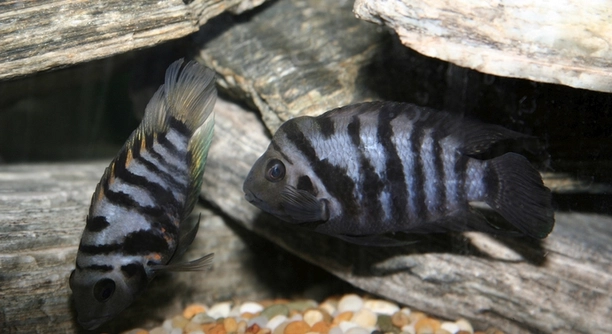
Are your African cichlids acting differently or showing unusual signs that have you concerned about their well-being in warmer water?
African cichlids can overheat when water temperatures rise above their ideal range, typically between 75°F and 80°F. Overheating can lead to erratic behavior, rapid breathing, lethargy, and even organ stress or death if left unaddressed.
Recognizing these signs early helps prevent lasting harm and supports a healthier aquatic environment for your fish.
1. Gasping at the Surface
When African cichlids hover near the surface and appear to gulp for air, it’s a clear indication that the water lacks enough oxygen. Warm water holds less oxygen than cooler water, making it harder for your fish to breathe comfortably. This kind of surface gasping is usually paired with a lack of energy and sluggish swimming. If your tank temperature rises too high, especially during summer months or due to faulty heaters, oxygen levels can drop fast. An overheating tank with poor aeration becomes dangerous. Watching your fish reach for the surface is not just unusual behavior—it’s a warning sign that the environment may be too warm and stressful for them.
Surface gasping is often one of the first signs that your tank may be overheating and needs immediate attention.
Installing an air stone or increasing water circulation can help improve oxygen levels, but lowering the temperature is the real fix.
2. Rapid Gill Movement
Rapid gill movement signals your cichlids are working harder to breathe. This often happens when the water is too warm, making oxygen absorption more difficult for them.
As temperatures rise, the metabolic rate of African cichlids increases, causing them to require more oxygen while the water holds less of it. This imbalance forces them to breathe faster, which shows up as quick, repetitive gill movement. It may look like they’re panting underwater, and it can be alarming to watch. Unlike surface gasping, this sign can be seen even if the fish are swimming mid-level or near the bottom. Keeping track of this symptom along with water temperature readings helps catch overheating early. If left unchecked, your fish may begin to tire out from the constant effort, potentially weakening their immune system. Cooling the tank gradually and ensuring proper filtration are both important to reduce the strain and stabilize their breathing.
3. Loss of Appetite
Overheated African cichlids may lose interest in food or stop eating entirely. Elevated temperatures can affect their digestion, leading to discomfort or disinterest in feeding, especially if the heat has persisted for more than a day or two.
When water temperatures rise beyond their comfort zone, African cichlids often experience metabolic changes that disrupt their normal feeding patterns. You might notice them spitting out food, ignoring pellets, or only eating tiny bits before swimming away. This behavior can also be linked to stress, which increases in overheated conditions. Consistently high temperatures interfere with enzyme function in fish, making digestion harder and less efficient. Over time, this can weaken their immune system and make them more vulnerable to illness. If you notice a pattern of reduced feeding, it’s a sign to check your tank temperature and make gentle adjustments to bring it back within a safe range.
Skipping meals for a day isn’t always alarming, but multiple days of reduced appetite are a red flag. Heat can make their bodies work harder, so feeding becomes a lower priority. Watch for this change and respond quickly. Cooling the tank gradually and avoiding sudden water changes will help support recovery. Keep feedings light until behavior returns to normal.
4. Erratic Swimming
African cichlids may start swimming erratically or darting around when the tank temperature rises too high. This sudden change in movement is often caused by stress, discomfort, and oxygen imbalance in overheated water.
You may notice your cichlids crashing into tank decorations, twisting their bodies unnaturally, or swimming in fast, unpredictable bursts. These behaviors are often caused by overstimulation of their nervous system due to heat stress. High temperatures can also disrupt the water’s oxygen balance, leaving the fish confused and panicked. Some cichlids may isolate themselves, while others may appear overly aggressive or chase tank mates more than usual. This is not typical behavior, especially if the tank conditions were previously stable. Pay close attention to any repeated darting or spinning motions, as these could signal rising distress. Cooling the tank slowly, dimming the lights, and avoiding unnecessary handling can help restore calm and support your fish’s recovery.
5. Fading Colors
African cichlids often lose their vibrant colors when they’re stressed from overheating. Bright hues may become dull, washed-out, or patchy. This change is usually a physical reaction to internal stress or discomfort caused by prolonged exposure to high temperatures.
Color fading is also linked to poor oxygen levels and erratic hormone responses triggered by heat. If you notice pale scales or less contrast in their markings, it’s often a sign they’re not comfortable. Cooling the water and maintaining steady conditions usually helps their color return.
6. Staying Near the Bottom
Spending long periods resting at the bottom of the tank is a sign your cichlids may be overheated. When the temperature is too high, they often conserve energy and reduce movement. This low activity level is also linked to fatigue and reduced oxygen availability in warmer water.
7. Increased Aggression
Warmer water can lead to short tempers in African cichlids. The heat boosts their metabolism and energy, which can make them more aggressive toward tank mates. Fights may become more frequent, and territorial behavior can intensify, even in usually calm fish. Monitor this closely, especially in community setups.
FAQ
How can I quickly lower the temperature in my cichlid tank?
To quickly reduce the temperature, turn off any tank heaters and increase water circulation using powerheads or filters. Adding frozen water bottles wrapped in a towel can help cool the tank gradually. Avoid sudden temperature drops to prevent shock. Regular monitoring ensures you reach a safe, stable temperature.
What is the ideal temperature range for African cichlids?
African cichlids generally thrive between 75°F and 80°F (24°C to 27°C). Temperatures above 80°F can cause stress and health issues, while below 75°F may slow their metabolism and activity. Keeping the water within this range supports healthy behavior and vibrant colors.
Why do overheated cichlids stop eating?
High temperatures affect digestion and metabolism, making fish less interested in food. Stress caused by heat also suppresses appetite. When cichlids don’t eat, their immune system weakens, increasing vulnerability to diseases. Adjusting tank conditions gradually helps restore normal feeding.
Can overheating cause permanent damage to my fish?
Yes. Prolonged exposure to high temperatures can cause organ damage, weaken immune systems, and shorten lifespan. Quick intervention is necessary to prevent long-term harm. Lowering water temperature and improving oxygen levels supports recovery and reduces risks.
How can I prevent overheating in the future?
Use a reliable heater with a thermostat to regulate temperature. Avoid placing the tank near heat sources or direct sunlight. Invest in a good aquarium thermometer and check daily, especially during hot weather. Regular water changes and good filtration improve oxygen levels.
Are there any signs that indicate immediate danger from overheating?
Yes. Gasping at the surface, frantic swimming, and loss of color are urgent signs. If you notice these, take immediate steps to cool the water. Slow, steady cooling is best to avoid shocking the fish further.
Is it safe to add ice cubes directly to the tank?
No. Adding ice directly can cause rapid temperature changes that shock your fish. Use frozen water bottles wrapped in towels instead to cool the tank gradually and safely.
Will overheated fish recover once the temperature is corrected?
Most African cichlids recover well if action is taken promptly. However, severe or prolonged overheating may cause lasting damage. Keeping conditions stable after cooling helps fish regain strength and normal behavior.
Can overcrowding make overheating worse?
Yes. More fish produce more waste and consume more oxygen, which can lower oxygen levels faster in warm water. Overcrowding increases stress and the risk of heat-related problems. Maintain proper stocking levels for your tank size.
What equipment helps maintain proper temperature and oxygen?
A quality aquarium heater with thermostat control keeps temperature stable. Air pumps and air stones increase oxygen circulation. Power filters also improve water movement, helping oxygenate the tank and prevent hot spots.
Should I change the water when my tank is overheating?
Partial water changes with cooler water can help but avoid drastic temperature differences. Always match the new water temperature close to the tank’s to reduce shock. Frequent water changes also keep water quality high and oxygen levels sufficient.
How often should I check the tank temperature?
Check temperature daily, especially during warm weather or if your heater is new. Continuous monitoring with a reliable thermometer helps catch problems early before fish show signs of stress.
Does lighting affect tank temperature?
Yes. Strong aquarium lights generate heat, raising water temperature. Using LED lights or reducing light hours can help keep the tank cooler during hot periods.
Can adding live plants help with overheating?
Live plants consume carbon dioxide and produce oxygen, improving tank oxygen levels. They can help buffer minor temperature swings by shading the water, but plants alone won’t fix overheating problems. Proper temperature control is still needed.
What is the best way to acclimate fish after temperature changes?
Make temperature adjustments slowly over several hours. If moving fish to a cooler tank, float the bag or container to equalize temperature gradually. Sudden changes can cause shock and worsen stress.
Is there a link between water chemistry and overheating stress?
Yes. Higher temperatures speed up chemical reactions in the water, which can increase ammonia and nitrite toxicity. This adds to the stress caused by heat. Regular testing and water changes are crucial to keep water chemistry balanced.
How do I recognize heat stress compared to illness?
Heat stress symptoms include rapid gill movement, erratic swimming, and loss of color without visible signs of infection. Illness often shows additional symptoms like spots, swelling, or fungus. Monitoring behavior and water conditions helps differentiate causes.
Can I use fans to cool the aquarium?
Fans aimed at the water surface increase evaporation and help lower temperature slightly. This method is simple and effective for small to medium tanks but may not be enough if overheating is severe.
Are some cichlid species more sensitive to heat?
Yes. Some species tolerate higher temperatures better than others. Knowing your specific species’ preferences helps tailor tank conditions and avoid overheating risks.
What should I do if multiple fish show overheating signs?
Act quickly to lower temperature and improve oxygenation. Isolate severely affected fish if possible to reduce stress. Monitor water quality closely and avoid feeding until fish stabilize. Early intervention improves chances for recovery.
Final Thoughts
Keeping African cichlids healthy means paying close attention to their environment, especially water temperature. Overheating can cause serious stress and health problems, but it is often preventable. Maintaining water temperature within the ideal range of 75°F to 80°F helps your fish stay active, eat well, and show their natural colors. Simple steps like using a reliable heater with a thermostat, avoiding direct sunlight on the tank, and checking the temperature daily can make a big difference. It is important to remember that sudden temperature changes can be harmful, so adjustments should always be made slowly and carefully.
Watching for signs of overheating is key to catching problems early. Symptoms such as gasping at the surface, rapid gill movement, loss of appetite, and fading colors are signals that the water may be too warm. When these signs appear, taking action quickly can prevent lasting damage. Cooling the tank gradually, increasing oxygen levels through better aeration, and avoiding overcrowding all support recovery. It is also helpful to monitor water quality regularly because warmer water can speed up harmful chemical processes. Keeping the tank clean and stable supports your cichlids’ health and reduces the chances of heat-related stress.
Finally, patience is important when dealing with overheating issues. Your fish may take time to recover once the water temperature is corrected. Avoid sudden changes or overfeeding during this period. Instead, focus on maintaining a stable environment with steady temperature and good oxygen levels. Being observant and responsive to your fish’s behavior will help you provide the best care. By following these practices, you create a safe and comfortable home for your African cichlids, allowing them to thrive and display their full beauty.

Hello,
If you enjoy the content that we create, please consider saying a "Thank You!" by leaving a tip.
Every little bit helps us continue crafting quality advice that supports the health, happiness, and well-being of pets around the world, for pets of all shapes, sizes, and species.
We really appreciate the kindness and support that you show us!