
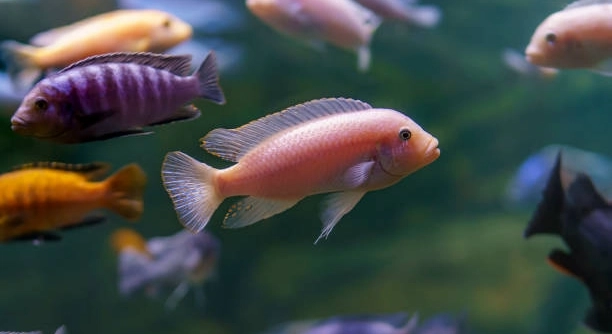
African cichlids are popular aquarium fish known for their vibrant colors and active behavior. Many fishkeepers wonder about the best way to care for them, especially regarding their social needs. Understanding whether these fish require companions is important for a healthy tank.
African cichlids do benefit from living with other fish, but their social structure depends on species and tank conditions. They often thrive in groups where dominance hierarchies form, but overcrowding or incompatible companions can cause stress and aggression.
Learning about their social behavior can help you create a balanced environment where your cichlids feel secure and show their best colors. This article will guide you through the essentials of their companionship needs.
Understanding African Cichlids’ Social Behavior
African cichlids are naturally social fish that live in complex communities in the wild. They often form groups where each fish has a specific role or place in a hierarchy. This social structure helps reduce constant fighting by establishing clear dominance among individuals. In a home aquarium, replicating this environment can improve their wellbeing. However, it’s important to choose the right species and maintain proper tank size. Too many fish or mixing aggressive types can lead to stress and injury. Providing plenty of hiding spaces and territories can help manage aggression and give fish places to retreat. Observing your cichlids regularly allows you to notice if the social balance is working or if changes are needed. Keeping their social nature in mind will help you create a stable and healthy habitat.
Most African cichlids do best with companions but require careful planning to avoid conflicts and stress.
A balanced group of cichlids can create a lively aquarium scene with dynamic interactions. Choosing species with similar temperaments and sizes often results in a peaceful tank. Introducing fish gradually and monitoring their behavior reduces problems. Avoid overcrowding, as it causes stress and poor water quality. Regular maintenance and tank cleaning keep the environment safe and comfortable for all fish. Your attention to these details will help your cichlids thrive together.
Selecting Suitable Tank Mates
Choosing the right tank mates for African cichlids is essential to avoid aggression and stress. Fish with similar size and temperament tend to coexist better. Avoid placing very small or slow-moving species with aggressive cichlids, as they may become targets.
Tank size also plays a critical role in maintaining peace. Larger tanks provide more space for fish to establish territories and reduce clashes. Overstocking, on the other hand, can increase stress and aggression, causing health issues. Decorations like rocks and caves help create natural boundaries and hiding spots. Introducing fish slowly and watching their interactions allows adjustments before problems arise. These steps are necessary to create a balanced, harmonious aquarium environment that supports the wellbeing of African cichlids and their companions.
Tank Setup for African Cichlids
Proper tank setup is key for African cichlids to live comfortably and reduce stress. Space, hiding spots, and clean water all matter.
A tank of at least 30 gallons is recommended for smaller cichlid species, while larger or more aggressive types need 50 gallons or more. Plenty of rocks, caves, and plants should be arranged to create natural barriers. These structures give fish places to hide and claim as their territory. Proper filtration and regular water changes keep the water clean and balanced, which is essential for their health. Maintaining stable temperature and pH levels also helps prevent stress and disease. By setting up the tank carefully, you encourage natural behavior and reduce aggression among cichlids.
Using a sandy substrate rather than gravel can mimic their natural environment. Sand is easier for them to sift through and less likely to trap debris. Avoid sharp decorations that might injure the fish. Lighting should be moderate, supporting plant growth without causing excessive algae. Regular monitoring of water parameters ensures a safe habitat. These small details make a big difference in creating a comfortable home for your African cichlids.
Feeding and Care Tips
African cichlids require a balanced diet that suits their species and natural habits. Feeding the right food supports their health and coloration.
Most cichlids eat a mix of protein and plant matter. High-quality pellets or flakes designed for cichlids work well. Supplement their diet with live or frozen foods like brine shrimp or bloodworms for extra protein. Some species benefit from occasional vegetables like spinach or peas. Overfeeding can cause poor water quality, so feed small amounts once or twice daily. Removing uneaten food helps maintain clean water. Watching your fish’s eating habits helps you adjust portions and avoid health issues. Consistent care routines, including regular tank cleaning and monitoring water quality, are vital to keeping your cichlids thriving.
Signs of Stress in African Cichlids
Stress in African cichlids can show through changes in behavior or appearance. Early detection helps prevent serious health problems.
Common signs include hiding more than usual, loss of appetite, or faded colors. Aggressive behavior or frequent chasing may also indicate stress from poor tank conditions or incompatible tank mates.
Managing Aggression
Aggression is natural but can be managed by providing enough space and hiding spots. Avoid overcrowding and mix species carefully to reduce conflicts.
When to Keep African Cichlids Alone
Some species or individual fish may do better alone, especially if aggression is severe or the tank size is limited. In these cases, solitary care ensures their safety and wellbeing.
Monitoring Water Quality
Regularly test water for ammonia, nitrites, nitrates, and pH. Clean water is essential for cichlids to stay healthy and stress-free.
FAQ
Do African cichlids need to be kept in groups?
Most African cichlids do better when kept with others of their kind or compatible species. They are social fish that form hierarchies, which helps reduce constant fighting. However, group size and species choice are important. Too many fish in a small tank or mixing aggressive species can cause stress and injuries. Providing enough space and hiding places helps them live peacefully. Some species, though, prefer solitude or small groups, so knowing your cichlid’s natural behavior is key.
How many African cichlids can I keep together?
The number depends on the tank size and species. Smaller cichlids need at least 30 gallons for a small group, while larger or more aggressive species require 50 gallons or more. Overstocking leads to poor water quality and more aggression. As a general rule, give each fish enough space to swim and claim territory. Adding decorations like rocks and caves can increase effective space by creating separate areas.
Can African cichlids live with other types of fish?
Yes, but caution is needed. African cichlids are often territorial and aggressive, so tank mates must be chosen carefully. Fish similar in size and temperament usually do better. Avoid small, slow, or very peaceful species that may become targets. Some catfish or larger, robust fish can coexist well. Always monitor interactions closely, especially after introducing new fish.
What tank conditions do African cichlids prefer?
They thrive in stable water conditions with temperatures between 75°F and 82°F (24°C to 28°C). pH should be kept alkaline, around 7.8 to 8.6, which mimics their natural habitat. Regular water changes and good filtration are essential to remove waste and toxins. Using sand substrate and plenty of rocks helps recreate their environment and reduce stress.
How often should I feed my African cichlids?
Feeding once or twice daily with measured portions is best. Overfeeding can cause water quality problems and health issues. Use high-quality pellets or flakes made for cichlids, and supplement occasionally with live or frozen foods for variety and protein. Vegetables like peas or spinach can also be added for herbivorous species.
What signs show that my cichlids are stressed?
Signs include hiding excessively, loss of appetite, faded colors, or unusual aggression. Stress may also cause your fish to be less active or swim erratically. Poor water quality, overcrowding, or incompatible tank mates are common stress factors. Regularly observing your fish and maintaining tank conditions helps keep them healthy.
Can I keep African cichlids in a community tank?
Community tanks with African cichlids require careful planning. Choosing species with similar aggression levels and ensuring the tank is large enough with plenty of hiding spots can help. Avoid mixing African cichlids with very peaceful or small fish that could be bullied or eaten. Monitoring behavior closely is important to catch any problems early.
How do I reduce aggression in my African cichlids?
Provide enough space and hiding places to let fish establish territories. Avoid overcrowding and introduce fish gradually. Rearranging tank decorations occasionally can help disrupt established territories and reduce fights. Selecting compatible species and similar sizes also lowers aggression. If aggression becomes severe, separating aggressive individuals may be necessary.
Is it necessary to quarantine new African cichlids before adding them to the tank?
Yes, quarantining new fish for at least two weeks is highly recommended. This helps prevent introducing diseases and parasites to your established tank. Quarantine also allows you to observe new fish for signs of illness and behavior issues. Healthy fish improve the overall wellbeing of your aquarium.
What should I do if my cichlids are fighting constantly?
If fighting is frequent and severe, try increasing tank size or rearranging decorations to break up territories. Remove injured fish and consider separating the most aggressive individuals. Check water quality, as poor conditions can increase stress and aggression. If problems persist, keeping certain cichlids alone may be best for their health and safety.
How important is water quality for African cichlids?
Water quality is crucial for their health and happiness. Ammonia, nitrite, and nitrate levels must be kept low through proper filtration and regular water changes. pH and temperature should stay stable to avoid stress. Dirty water leads to disease and weakened immune systems. Monitoring parameters frequently keeps your fish thriving.
Can African cichlids recognize their tank mates?
Cichlids show awareness of other fish in their territory and remember interactions, especially related to dominance and territory defense. This recognition influences their behavior, often helping to maintain social order in the tank. Observing how your cichlids interact can help you understand their social needs better.
Do African cichlids need different care during breeding?
Breeding cichlids may become more territorial and aggressive. They often need extra hiding spots or separate breeding tanks to protect eggs and fry. Feeding should be increased with high-quality food to support their energy needs. Monitoring water quality closely is important to ensure the survival of young fish.
What are common health issues in African cichlids?
Common problems include fin rot, ich, and swim bladder disease, often linked to poor water quality or stress. Early signs are changes in appearance or behavior. Maintaining clean water, a proper diet, and a balanced tank environment helps prevent illness. Prompt treatment is needed if symptoms appear.
How long do African cichlids typically live?
With proper care, African cichlids can live between 5 to 10 years or more. Tank conditions, diet, and social environment all influence their lifespan. Good care and attention to their needs help them stay healthy and enjoy a long life.
African cichlids are fascinating fish that bring vibrant colors and lively behavior to any aquarium. Their social nature means they often do better with companions, but it is important to consider their specific needs. Not all cichlids get along well with others, and aggression can be a problem if the tank is overcrowded or if incompatible species are mixed together. Paying attention to their natural behavior, choosing the right tank mates, and providing plenty of space and hiding spots can help create a peaceful environment. This balance allows the fish to display their natural colors and behaviors without stress.
Tank setup plays a big role in the wellbeing of African cichlids. A proper tank size, clean water, and stable conditions are essential for healthy fish. Decorations such as rocks and caves not only make the aquarium look natural but also help reduce conflicts by giving fish places to retreat. Regular maintenance, including water changes and monitoring water quality, keeps the environment safe. Feeding the right diet and avoiding overfeeding supports their health and vitality. All these elements together contribute to a successful aquarium where African cichlids can thrive.
Taking care of African cichlids may require some trial and error at first, especially when it comes to managing aggression and social groups. Observing your fish regularly and making adjustments as needed will improve their quality of life. Remember that some species or individuals may prefer to live alone, so flexibility in care is important. With proper knowledge and attention, you can enjoy watching your cichlids interact and flourish in a well-maintained tank. Providing the right conditions helps ensure they stay healthy and vibrant for many years.

Hello,
If you enjoy the content that we create, please consider saying a "Thank You!" by leaving a tip.
Every little bit helps us continue crafting quality advice that supports the health, happiness, and well-being of pets around the world, for pets of all shapes, sizes, and species.
We really appreciate the kindness and support that you show us!