
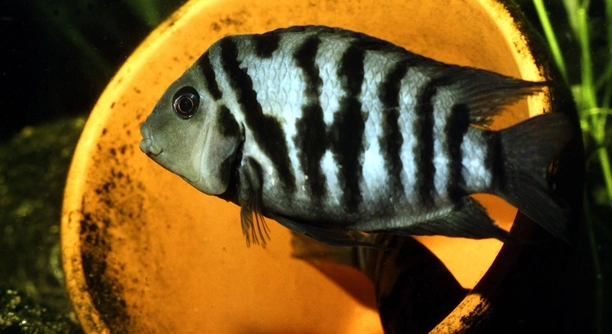
African cichlids are popular aquarium fish known for their vibrant colors and active behavior. Many fishkeepers enjoy feeding them a variety of foods to keep them healthy and happy. Understanding the risks related to their diet is important for maintaining their well-being.
African cichlids can get parasites from contaminated food sources. Parasites may be introduced through live or frozen foods that are not properly handled or cleaned. Feeding safe and properly prepared food reduces the risk of parasite infection in these fish.
Knowing how parasites enter their diet helps fishkeepers protect their cichlids. Learning more about food safety ensures your fish stay healthy and thrive in their environment.
How Parasites Enter African Cichlids Through Food
Parasites can enter African cichlids mainly through live or frozen foods that are not handled correctly. Live foods like brine shrimp, bloodworms, or daphnia can carry parasites if they come from untreated sources. Frozen foods might also contain parasites if they weren’t properly frozen or stored. Parasites thrive in moist environments, so any contamination during storage or feeding increases the risk. Feeding wild-caught live food adds another layer of risk, as it may contain various parasites naturally found in their habitat. Even pellets and flakes, though less risky, can carry contaminants if they are old or improperly stored. It’s important to always buy food from reliable sources and keep it fresh. Proper hygiene while handling food, such as washing hands and cleaning feeding tools, helps prevent parasite introduction. Regularly inspecting your fish for signs of infection can catch problems early, making treatment easier and more effective.
Cleaning and storing food properly reduces parasite risks significantly.
Understanding food sources and proper care plays a key role in preventing parasites. Feeding frozen food that has been properly thawed and avoiding wild-caught live foods when possible are effective steps. Quarantining new fish and live foods before adding them to the main tank also helps keep parasites away. Some keepers prefer to culture their own live food to control safety better. Monitoring water quality is another important factor since poor conditions can weaken fish and make them more vulnerable. Treating the tank and food sources when needed prevents outbreaks. Overall, paying attention to food quality, source, and preparation protects African cichlids from parasite infections and supports their health over time.
Signs of Parasites From Food in African Cichlids
Parasites can cause visible and behavioral changes in African cichlids.
Common signs include scratching against objects, lethargy, loss of appetite, and abnormal swimming. You might notice white spots, redness, or swelling on their bodies or fins. Some parasites cause weight loss or bloating. Close observation is important, especially after introducing new foods or fish. If these signs appear, it’s best to isolate affected fish and start treatment immediately to prevent spread. Early detection improves the chances of recovery and keeps your aquarium healthy overall.
Preventing Parasites Through Food Choices
Choosing the right food is key to preventing parasites in African cichlids. Avoid live food from unknown sources and rely on frozen or high-quality prepared options.
Frozen foods are safer because freezing kills many parasites, but it’s important to thaw them properly. Always buy from trusted suppliers who follow safety standards. Avoid feeding wild-caught live foods unless you can quarantine and treat them. High-quality pellets and flakes designed for African cichlids offer balanced nutrition and lower parasite risk. If you use live food, consider culturing your own in a clean environment to control contamination. Feeding varied but safe food helps keep your fish healthy and less vulnerable to parasites.
Handling and storing food properly also prevents parasite introduction. Keep food sealed, refrigerated or frozen as needed, and never use expired products. Clean feeding tools regularly. Reducing parasite risk through food choices keeps your aquarium stable and your cichlids thriving.
Treating Parasites from Food in African Cichlids
If parasites appear, immediate treatment is necessary. Quarantine infected fish to stop spread and maintain tank health.
Medication options vary depending on the parasite type, including antiparasitic baths, oral treatments, or adding medication to the water. Follow dosage instructions carefully to avoid harming your fish or beneficial bacteria. Improve water quality and monitor fish closely during treatment to support recovery. Some keepers also treat live food before feeding to prevent reinfection. Maintaining cleanliness in the tank and feeding area reduces parasite chances. Consistent observation and care are essential to manage and prevent future outbreaks. Early and proper treatment saves your fish and your aquarium environment.
Quarantining New Food and Fish
Quarantining new live food and fish helps prevent parasite introduction. This step allows observation and treatment before adding them to the main tank.
A quarantine period of at least two weeks is recommended. During this time, watch for signs of illness or parasites. Treat if necessary before mixing with your established fish.
Cleaning Feeding Tools and Tank Areas
Regular cleaning of feeding tools and tank areas reduces parasite risks. Leftover food and debris can harbor parasites and bacteria.
Use warm water and mild soap to clean feeding nets, containers, and any equipment. Avoid harsh chemicals that could harm your fish. Keeping these tools clean supports a healthy environment and lowers infection chances.
Using Freeze-Dried and Prepared Foods
Freeze-dried and prepared foods are safe alternatives to live food. They have a much lower risk of carrying parasites.
These foods are easy to store and handle. They also provide good nutrition when chosen carefully. Using them regularly can protect your cichlids while keeping their diet interesting.
FAQ
Can African cichlids get parasites from frozen food?
Yes, African cichlids can get parasites from frozen food if it is not properly handled. Freezing usually kills most parasites, but if the food wasn’t frozen at the right temperature or stored well, parasites can survive. Always buy frozen food from trusted sources and thaw it safely before feeding.
How can I tell if my cichlid has parasites from food?
Look for signs like scratching against tank objects, white spots, redness, swelling, or changes in behavior like lethargy and loss of appetite. These signs may appear after feeding new or live food that carries parasites. Regular observation helps catch infections early.
Is live food risky for African cichlids?
Live food can carry parasites and bacteria, especially if collected from the wild or unknown sources. Culturing your own live food or buying from reliable suppliers lowers the risk. Quarantining live food before feeding also helps prevent parasite spread.
Can pellets or flakes cause parasite infections?
Pellets and flakes have a much lower risk of carrying parasites compared to live or frozen foods. However, old or poorly stored products can become contaminated. Always store dry foods in a cool, dry place and avoid expired products.
What is the best way to prevent parasites from food?
Feed high-quality prepared foods or properly frozen foods from trusted sources. Avoid wild-caught live foods unless quarantined and treated. Maintain clean feeding tools and practice good tank hygiene. Quarantine new fish and foods when possible.
How long should I quarantine new live food or fish?
A quarantine period of two to four weeks is recommended. This allows time to observe any signs of parasites or illness and treat them before introducing new additions to your main tank.
Can parasites come from other tank mates, not just food?
Yes, parasites can spread from infected fish or contaminated plants and decorations. That’s why quarantining new fish and thoroughly cleaning new tank items is important to reduce the risk of parasite introduction.
What treatments work best for parasites from food?
Treatment depends on the parasite type but often includes antiparasitic medications in baths or added to the tank water. Following product instructions closely is vital to avoid harm to fish or beneficial bacteria. Improving water quality supports fish recovery.
Is it safe to treat the whole tank for parasites?
Sometimes treating the entire tank is necessary, especially if multiple fish show symptoms. However, some medications may affect beneficial bacteria or sensitive species, so choose treatments carefully and monitor water parameters.
Can poor water quality increase parasite problems?
Yes, poor water conditions stress fish and weaken their immune system, making them more vulnerable to parasites. Regular water changes, proper filtration, and maintaining stable water parameters reduce parasite risks and support fish health.
Are there natural ways to reduce parasites in African cichlids?
Good tank hygiene, healthy diet, and proper quarantine practices are natural ways to reduce parasite risks. Some keepers use herbal or salt treatments as a mild preventive measure, but these should not replace proper medical treatments when needed.
How often should I inspect my fish for parasites?
Regular daily or weekly checks are good practice. Early detection helps treat parasites before they spread or cause severe damage. Watch for behavioral changes or physical signs after introducing new foods or fish.
Can I freeze live food myself to kill parasites?
Freezing live food at very low temperatures for at least 24 hours can kill many parasites. However, some hardy parasites may survive. Proper freezing and handling methods improve safety but do not guarantee parasite-free food.
What should I do if multiple fish get parasites from food?
Isolate infected fish and treat the whole tank if necessary. Remove any remaining contaminated food and improve cleaning routines. Review feeding practices to prevent future infections. Consistent monitoring helps catch reinfections early.
Does cooking live food eliminate parasites?
Cooking live food can kill parasites, but it may reduce nutritional value. Some fish may refuse cooked food. Using frozen or freeze-dried alternatives is often a better balance of safety and nutrition.
Are some parasites more common in African cichlids than others?
Yes, parasites like ich (Ichthyophthirius multifiliis), flukes, and internal worms are commonly seen in cichlids. These parasites often enter through contaminated food or poor water conditions and require specific treatments for each type.
African cichlids are beautiful and lively fish that many people enjoy keeping. Feeding them the right food is important to keep them healthy. Parasites can come from food that is not safe or properly prepared. This means it is necessary to be careful when choosing and handling the food given to cichlids. Frozen foods, pellets, and flakes from trusted suppliers are usually safer than live food caught from the wild. Live foods can carry parasites if they are not quarantined or treated before feeding. Taking these precautions helps reduce the chances of parasites affecting your fish.
Keeping the tank clean and maintaining good water quality also helps protect cichlids from parasites. Dirty water can stress fish and make them more likely to get sick. Regular water changes, proper filtration, and cleaning leftover food or debris create a healthier environment for the fish. Using clean feeding tools and washing hands before feeding can also lower the risk of spreading parasites. Watching your fish closely for signs of illness or strange behavior can help catch problems early. Early treatment is often easier and more effective than waiting until the parasite spreads.
If parasites do appear, it is important to act quickly. Quarantining infected fish and treating the tank with the right medications can stop parasites from spreading to others. Following instructions carefully when using medications keeps fish safe and helps the treatment work better. Learning about how parasites enter your aquarium through food and other ways helps you take better care of your African cichlids. With the right food choices, good tank care, and early attention to health problems, you can help your fish live longer, happier lives.

Hello,
If you enjoy the content that we create, please consider saying a "Thank You!" by leaving a tip.
Every little bit helps us continue crafting quality advice that supports the health, happiness, and well-being of pets around the world, for pets of all shapes, sizes, and species.
We really appreciate the kindness and support that you show us!