
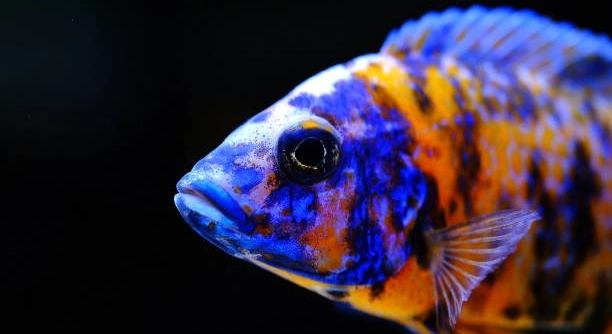
African cichlids are popular aquarium fish known for their vibrant colors and interesting behaviors. Many fish owners spend time caring for them and wondering how they experience their environment. Noise outside the tank can feel like a mystery to those who keep these fish.
African cichlids can detect some vibrations and noises outside their tank through their lateral line system, which senses water movement. However, their hearing is limited compared to land animals, and loud noises may cause stress rather than clear sound recognition.
Learning how these fish respond to sounds outside the tank helps improve their care and well-being in home aquariums.
How African Cichlids Sense Sound Outside the Tank
African cichlids use a special organ called the lateral line to detect movements and vibrations in the water. This system helps them sense nearby activity, like other fish swimming or changes in their environment. When noise happens outside the tank, it creates vibrations that travel through the tank walls into the water. The lateral line picks up these vibrations, allowing the fish to notice disturbances even if they don’t “hear” the noise like humans do. However, this sense is limited to movement and pressure changes, not clear sounds. Loud noises, like banging or shouting near the tank, may cause stress by creating strong vibrations. This can make the fish swim erratically or hide. The sensitivity varies by species, but African cichlids generally rely more on sight and smell than sound. Knowing this helps tank owners avoid causing unnecessary stress through loud noises or sudden movements around the aquarium.
The lateral line is key for cichlids’ awareness, but it does not function like human ears.
Understanding this difference helps improve how we create a calm, stable environment for these fish.
Effects of Loud Noises on African Cichlids
Loud noises can disturb African cichlids and affect their behavior. They may become stressed, swim nervously, or hide more often. Stress can weaken their immune system, making them prone to illness. It is important to keep the area around the tank quiet and avoid sudden loud sounds.
Stress in fish often shows as changes in color or appetite, and can impact their long-term health. Fish that are frequently exposed to noise may struggle to thrive in the tank. Noise can also interfere with normal communication and breeding behaviors. Maintaining a peaceful environment supports their natural habits and well-being. Simple steps like placing the tank away from busy areas or closing doors can reduce noise levels significantly. Providing hiding spots inside the tank helps fish feel safer if noise cannot be fully controlled. Paying attention to these details can create a more comfortable space for African cichlids to live and grow happily.
Common Misconceptions About Fish Hearing
Many people assume fish hear sounds like humans do, but this is not accurate. Fish primarily detect vibrations through their lateral line system rather than airborne sound waves.
Fish rely more on sensing changes in water pressure and movement than on traditional hearing. African cichlids are sensitive to vibrations around their tanks, but they do not “listen” in the way mammals do. Their ear structures are different and not designed for airborne sounds. This means noises outside the tank are perceived as vibrations or disturbances rather than clear sounds. Misunderstanding this can lead to mistakes in fish care, such as exposing them to loud environments expecting them to ignore it. Recognizing how they sense their environment helps create better living conditions and reduces stress. Adjusting tank placement and limiting loud noises around the aquarium is more effective than trying to “quiet” the tank itself.
Tips to Reduce Stress From Noise
Place the tank in a quiet area away from frequent foot traffic or loud appliances to reduce stress. Adding plants or decorations inside the tank offers hiding spots that help fish feel secure. Avoid tapping on the glass or sudden loud noises near the aquarium. Using a tank cover can also help dampen external sounds and vibrations. Ensuring stable water conditions alongside noise control supports overall fish health. Creating a calm environment will encourage natural behavior and better growth in African cichlids.
Can African Cichlids Get Used to Noise?
African cichlids can become somewhat accustomed to regular, low-level noise. Sudden, loud sounds, however, are still likely to cause stress. Consistent disturbances may reduce their activity and affect their well-being over time.
The key is maintaining a stable environment. Predictable background noise might be tolerated, but it should never be too loud or sudden. Over time, fish may show less reaction to familiar sounds but will always respond to new or intense noises.
How to Create a Quiet Environment for Your Fish
Position the tank in a room with minimal outside noise and away from speakers or busy areas. Soft furnishings nearby can absorb sound, reducing vibrations that reach the water. Keep household activities gentle around the aquarium, especially during feeding or resting times.
Understanding Vibrations and Fish Behavior
Vibrations caused by noise can make fish feel threatened or uneasy. Limiting these disturbances helps maintain peaceful behavior and promotes healthier living conditions.
FAQ
Can African cichlids hear sounds outside the tank?
African cichlids do not hear sounds like humans, but they can sense vibrations and water movements caused by noises outside the tank. Their lateral line system detects these vibrations, which helps them respond to changes in their environment. However, they don’t recognize specific sounds or words.
Do loud noises harm African cichlids?
Loud noises can stress African cichlids because strong vibrations travel through the water. Stress can cause changes in behavior, such as hiding or erratic swimming, and weaken their immune system, making them more prone to illness. It’s best to keep noise levels low near their tank.
How can I tell if my fish are stressed by noise?
Signs of stress include faded colors, loss of appetite, hiding frequently, or unusual swimming patterns like darting or swimming near the surface. If you notice these behaviors after loud noises, it’s a good indicator your fish are affected and need a calmer environment.
Can fish get used to constant noise?
Fish may become less reactive to regular, low-level noise over time, but sudden or very loud sounds will still cause stress. Consistency in the environment helps, but it’s important to minimize loud disturbances for their health.
What is the best place to put an aquarium to reduce noise stress?
Place your tank in a quiet room away from loud appliances, speakers, or heavy foot traffic. Rooms with soft furnishings like carpets and curtains can help absorb sound and reduce vibrations reaching the tank.
Does tapping on the tank affect fish?
Tapping on the glass creates vibrations that can startle and stress fish. It’s best to avoid tapping or knocking on the tank to maintain a peaceful environment and keep your cichlids comfortable.
Are some species of cichlids more sensitive to noise than others?
Yes, sensitivity varies among species. African cichlids generally rely more on sight and smell than hearing, but some may react more strongly to vibrations. Observing your specific fish will help you understand how noise affects them.
Can aquarium equipment cause noise stress?
Some filters, pumps, or air stones can create constant vibrations or humming sounds that might stress fish. Choosing quiet equipment and maintaining it regularly can reduce unnecessary noise inside the tank.
Will providing hiding spots help reduce noise stress?
Yes, adding plants, rocks, or decorations gives fish places to hide and feel safe when noises occur. These shelters help reduce stress and allow fish to relax in their environment.
Should I play music or white noise near the aquarium?
Playing music or white noise might create vibrations that stress fish, especially if it’s loud or sudden. Keeping the environment calm and quiet is better for their well-being.
How important is water quality compared to noise in fish health?
Both are important. Poor water quality can cause illness, while noise can cause stress. Maintaining clean water along with a quiet environment supports healthier and happier fish.
Can noise affect fish breeding?
Yes, stress from loud noises or vibrations can disrupt breeding behavior in African cichlids. A calm environment encourages natural mating and improves the chances of successful spawning.
Is it normal for fish to react to outside activity?
Yes, fish notice vibrations and movements from outside the tank. They may become alert or swim away from sudden disturbances, which is a natural protective behavior.
What steps can I take if my fish seem stressed by noise?
Try moving the tank to a quieter spot, reduce loud activities near the aquarium, and add hiding places. Monitor their behavior closely and maintain stable water conditions to help them recover.
Can noise cause permanent damage to fish?
Noise itself usually causes stress, not permanent damage, but prolonged or intense stress can weaken fish and make them vulnerable to diseases. Reducing noise exposure is key to preventing long-term harm.
Do fish communicate through vibrations?
Some fish use vibrations to communicate or sense others nearby. African cichlids may respond to vibrations during social or territorial behaviors, but this is different from hearing sounds like humans.
Is it necessary to use soundproofing materials for fish tanks?
Full soundproofing is not necessary but using soft materials around the tank can help reduce vibrations and external noise, improving the environment for your fish.
Can children or pets affect fish through noise?
Yes, children playing loudly or pets bumping the tank can create vibrations and noise that stress fish. Teaching gentle behavior around the aquarium helps keep fish safe.
Are there any tools to measure noise near the tank?
Sound level meters or smartphone apps can measure noise levels. Keeping readings low, especially under 50 decibels, can help maintain a calm environment for your fish.
Does lighting affect fish stress similarly to noise?
Bright or flickering lights can also stress fish, just like loud noises. Providing consistent, soft lighting helps reduce overall stress in the tank environment.
What is the best overall way to care for African cichlids regarding noise?
Keep the tank in a quiet, stable place away from loud activities. Avoid tapping on the glass and provide hiding spots. Maintain good water quality and use quiet equipment to support their health.
African cichlids are fascinating fish with unique ways of sensing their environment. They do not hear sounds like humans but rely on detecting vibrations through their lateral line system. This means noises outside the tank create water movement that these fish can feel rather than hear clearly. Understanding this helps fish owners realize why loud sounds and sudden noises might stress their cichlids. Stress from noise can cause changes in behavior, such as hiding, erratic swimming, or loss of appetite. Over time, constant stress can weaken their immune system and affect their health. Keeping this in mind makes it easier to create a peaceful environment for African cichlids.
Creating a calm space for your fish involves more than just avoiding loud noises. Placing the tank in a quiet room, away from busy areas, helps reduce vibrations that travel through the water. Soft furnishings nearby can absorb sound, lessening disturbances. Avoid tapping or banging on the tank glass since these actions cause vibrations that startle the fish. Adding decorations or plants inside the aquarium offers places for the fish to hide when they feel uneasy. These simple steps work together to lower stress and support the fish’s natural behavior. By paying attention to how noise affects your cichlids, you help them live a healthier and more comfortable life.
It is important to remember that every fish is different, and some may be more sensitive to noise than others. While African cichlids might get used to certain background sounds over time, sudden or very loud noises will still upset them. Fish owners should also be mindful of equipment noise and household activities near the tank. Keeping water quality stable and consistent lighting are additional ways to improve fish well-being. Ultimately, respecting how cichlids sense their surroundings will lead to better care. A quiet, stable, and safe environment gives African cichlids the best chance to thrive and show their vibrant colors and interesting personalities.

Hello,
If you enjoy the content that we create, please consider saying a "Thank You!" by leaving a tip.
Every little bit helps us continue crafting quality advice that supports the health, happiness, and well-being of pets around the world, for pets of all shapes, sizes, and species.
We really appreciate the kindness and support that you show us!