
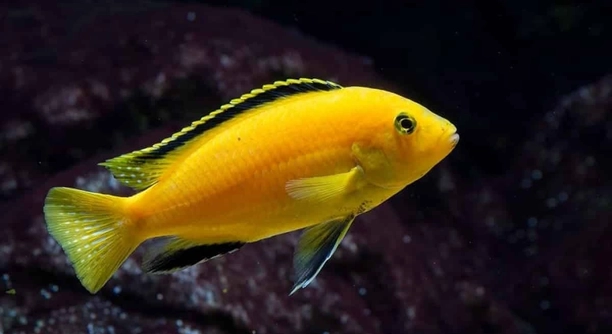
African cichlids are popular aquarium fish known for their vibrant colors and active behavior. Many hobbyists wonder about the best water conditions to keep these fish healthy. Water flow is an important factor to consider in their environment.
African cichlids do not require constant strong water flow, but moderate circulation helps maintain oxygen levels and cleanliness. Excessive flow can stress these fish, so balancing water movement is key for their well-being.
Understanding the right water flow can improve the health and comfort of your cichlids. This article will explain what kind of water movement suits these fish best.
Why Water Flow Matters for African Cichlids
Water flow in an aquarium influences many aspects of fish health. For African cichlids, moderate water movement helps oxygenate the tank and keeps debris from settling. These fish are used to living in lakes with some current, but not strong waves or torrents. Too much water flow can tire them out or cause stress, which affects their behavior and immune system. On the other hand, very low flow may lead to poor water quality and low oxygen levels, which can harm the fish. Proper filtration usually creates enough movement, but it’s important to avoid placing filters where the water rushes directly at the fish. A balance between circulation and calm areas gives them places to rest. This also helps maintain the natural feel of their habitat, encouraging natural behaviors like exploring and feeding. Setting up your aquarium with this in mind can create a healthier and more peaceful environment for your cichlids.
Moderate water flow supports oxygen distribution and waste removal without stressing African cichlids. Avoid strong currents directly in their swimming paths.
Maintaining this balance can sometimes be tricky depending on tank size and filter type. Smaller tanks may require less flow, while larger tanks need better circulation. You can adjust water flow by using spray bars, adjusting filter output, or adding decorations that break up currents. Watching your fish closely can help you find the right setup. If they hide too much or seem restless, the flow might be too strong. Conversely, sluggish fish might signal poor water movement. Keeping your cichlids comfortable is a matter of observing their behavior and fine-tuning the flow to match their needs.
Signs of Too Much or Too Little Water Flow
When water flow is too strong, cichlids often seek shelter behind rocks or decorations to escape the current. They may have trouble swimming or look stressed. Excessive flow can also damage their fins over time. On the other hand, if flow is too weak, waste and uneaten food can build up, causing water quality to decline. This can lead to health issues like infections or poor growth. It’s important to recognize these signs early so you can adjust the flow accordingly.
Adjusting water flow can improve fish health and tank cleanliness. Finding the right balance benefits both your cichlids and your aquarium maintenance.
In many cases, cichlids show clear preferences for water flow. Some species enjoy moderate currents, while others prefer calmer waters. Researching your specific type of African cichlid helps determine their ideal environment. Experimenting with flow adjustments over time allows you to create the best setup. Regular cleaning and monitoring water parameters go hand in hand with managing water movement. Together, these efforts ensure a stable, comfortable habitat. Providing appropriate water flow also supports beneficial bacteria that keep the tank healthy. Overall, paying attention to water flow is a small step with big rewards in maintaining vibrant, active African cichlids.
Adjusting Water Flow in Your Aquarium
Water flow can be controlled by adjusting your filter’s output or adding devices like spray bars and powerheads. Placement matters, too—positioning filters away from resting spots reduces stress on your fish.
Using spray bars helps distribute water evenly, preventing strong currents in one area. You can also lower filter output if your cichlids seem restless. Adding rocks or plants breaks up water movement, creating calm zones. These adjustments let you fine-tune flow to suit your fish’s preferences without compromising filtration. Observing how your cichlids react after changes helps you find the right balance between circulation and comfort.
Some aquarists use multiple smaller filters or circulation pumps instead of one strong filter. This method reduces the chance of strong currents forming in any single part of the tank. Changing water flow gradually also avoids shocking your fish. Keeping adjustments slow and steady allows your cichlids to adapt comfortably. Overall, managing water flow is about creating a stable, healthy environment with enough movement to keep water clean but gentle enough for your fish’s wellbeing.
Impact of Water Flow on Tank Maintenance
Proper water flow helps keep the aquarium clean by moving debris toward the filter. Without enough circulation, waste settles on the substrate, encouraging harmful bacteria growth and algae. Good flow also ensures even temperature and oxygen distribution throughout the tank.
Maintaining good circulation can reduce the frequency of cleaning, making tank care easier. It also improves filter efficiency by delivering more water through the media, which helps break down toxins. When water flow is balanced, you prevent dead spots where debris accumulates, reducing the risk of water quality issues. Good water movement supports a healthy environment for beneficial bacteria that help process fish waste.
Consistent flow also promotes gas exchange at the water surface, which is important for oxygen levels. If oxygen is low, fish can become stressed or develop health problems. Ensuring proper water movement is a simple yet effective way to support both your fish and your maintenance routine. Taking time to set up and adjust flow can save effort and protect your cichlids in the long run.
Choosing the Right Filter for African Cichlids
A filter that provides steady, moderate flow is ideal for African cichlids. Avoid filters with overly strong output that can create harsh currents.
Canister filters and sponge filters are popular choices. They offer good filtration with controllable flow, which suits cichlid tanks well.
How Tank Size Affects Water Flow
Larger tanks generally need stronger water circulation to maintain oxygen and cleanliness. Smaller tanks require gentler flow to avoid stressing fish. The size of the aquarium influences how much water movement is needed to keep conditions balanced. Choosing the right filter and adjusting flow based on tank size ensures your cichlids thrive.
Monitoring Fish Behavior for Flow Adjustment
Watch how your cichlids swim and rest. If they avoid certain areas or appear fatigued, water flow might be too strong.
Adjust flow gradually until your fish seem relaxed and active throughout the tank.
Additional Tips for Maintaining Water Quality
Regular water changes and tank cleaning support healthy water conditions alongside proper flow management.
FAQ
Do African cichlids need a strong water current?
African cichlids do not need a strong water current. They thrive best with moderate water flow that mimics their natural environment. Strong currents can tire them and cause stress, which may lead to health problems. It’s better to have gentle, steady circulation that helps oxygenate the water and keep it clean without overwhelming the fish.
Can too little water flow harm African cichlids?
Yes, too little water flow can harm African cichlids. Low circulation means oxygen levels drop and waste can settle, which deteriorates water quality. Poor water conditions may cause illness or stress in your fish. Ensuring moderate flow helps keep the tank healthy and your cichlids comfortable.
How can I tell if water flow is too strong for my cichlids?
Watch their behavior carefully. If cichlids hide often, avoid swimming in open areas, or look tired and restless, the water flow might be too strong. Damaged or frayed fins are another sign. Adjusting the filter output or adding decorations to block currents can help reduce flow strength.
What type of filter is best for African cichlids?
Filters that offer adjustable flow rates are ideal. Canister filters and sponge filters are popular because they provide good filtration with controllable water movement. These filters allow you to create a balance between circulation and calm areas in the tank, helping your cichlids feel secure.
Does tank size affect how much water flow is needed?
Yes, tank size matters for water flow. Larger tanks require stronger circulation to maintain oxygen and cleanliness across the entire space. Smaller tanks need gentler flow because strong currents can stress fish in limited space. Always match your filter and flow settings to your tank size.
Can adding decorations change water flow?
Decorations like rocks, plants, and driftwood help break up water flow and create calm spots. These areas give cichlids places to rest away from currents. Using decorations strategically can balance water movement in the tank and reduce stress on your fish.
How often should I adjust water flow?
Adjust water flow slowly and only when necessary. Sudden changes can shock your fish. Pay attention to their behavior and adjust if you see signs of stress or poor water quality. Regular observation helps you maintain a comfortable environment.
Will constant water flow increase tank maintenance?
Not necessarily. Proper water flow helps move debris toward the filter, which can reduce cleaning needs. However, if flow is too strong and stirs up sediment constantly, it might make the tank look dirtier. Balanced flow supports efficient filtration and easier maintenance.
Is it necessary to use powerheads for African cichlids?
Powerheads are not necessary but can be helpful in larger tanks to improve circulation. They allow you to control water movement more precisely. For smaller tanks, the filter alone usually provides enough flow without the need for extra devices.
How does water flow affect oxygen levels?
Good water flow promotes gas exchange at the surface, increasing oxygen levels in the tank. Without enough movement, oxygen can become depleted, causing fish stress. Moderate circulation ensures oxygen is distributed evenly, keeping cichlids healthy.
Can water flow impact breeding behavior?
Water flow can influence breeding. Some cichlids prefer calmer areas for spawning, while others might use moderate currents. Providing varied flow zones helps accommodate different behaviors and supports successful breeding.
What signs show my cichlids are comfortable with the water flow?
Fish that swim actively, explore the tank, and rest in open areas usually indicate comfort. Healthy fins and bright colors also suggest good conditions. When your cichlids behave naturally, the water flow is likely well balanced.
Are there specific African cichlid species with different flow needs?
Yes, different species have varying preferences. For example, Lake Malawi cichlids often like moderate flow, while some Tanganyika species prefer gentler currents. Researching your species helps tailor the flow to their natural habits.
How does water temperature interact with flow needs?
Water temperature affects oxygen levels—warmer water holds less oxygen. In warmer tanks, moderate flow is even more important to maintain oxygenation. Adjusting flow according to temperature helps keep your cichlids comfortable and healthy.
Should I turn off the filter at night to reduce flow?
It’s not recommended to turn off the filter at night. Continuous filtration and water movement maintain oxygen levels and water quality 24/7. Instead, reduce flow gently if needed, but keep the system running to support your fish’s health.
Can poor water flow cause disease in African cichlids?
Poor water flow can contribute to disease by lowering oxygen and allowing waste buildup. This weakens fish immune systems and creates conditions where bacteria and parasites thrive. Proper circulation is a key part of preventing illness.
How do I balance water flow if I have aggressive cichlids?
Aggressive cichlids often defend territories in calmer areas. Providing spots with low flow where they can rest helps reduce aggression. Use decorations and flow control to create zones that fit different behavior patterns in the tank.
Is there a risk of filter damage from adjusting flow too often?
Generally, adjusting flow settings does not harm filters if done carefully. Frequent or extreme changes might stress the filter’s motor over time, so it’s best to make small, gradual adjustments and avoid repeatedly switching settings.
Can water flow affect algae growth?
Water flow influences algae but is not the main factor. Strong currents can reduce algae buildup by preventing debris from settling, while stagnant water encourages algae growth. Balanced flow, combined with regular maintenance, helps control algae.
What’s the best way to test if water flow is sufficient?
Observe fish behavior and water surface movement. Also, use test kits to check oxygen levels. Clear water, active fish, and stable parameters usually mean your flow is appropriate. Adjust as needed based on these signs.
African cichlids need a balanced environment to stay healthy and happy, and water flow is an important part of that balance. These fish do not require constant strong currents but do benefit from moderate water movement. Proper circulation helps keep oxygen levels high and moves waste toward the filter, which supports clean water. However, too much flow can stress the fish and disrupt their natural behavior. Finding the right water flow means creating a space where your cichlids can swim comfortably without feeling overwhelmed by the current.
Adjusting water flow is not difficult, but it does take some attention. Different tanks and cichlid species may need slightly different setups. It helps to observe your fish closely and notice how they react to changes. If they seem tired, avoid certain parts of the tank, or show signs of stress, the flow may be too strong. On the other hand, if the water seems still and the tank gets dirty quickly, you might need to increase circulation. Simple changes like lowering filter output, adding decorations to break currents, or using spray bars can make a big difference.
Maintaining the right water flow also supports your overall tank maintenance. Good circulation prevents dead spots where waste and debris collect, which can harm water quality. It also helps beneficial bacteria grow, which breaks down harmful substances. A well-maintained tank means healthier fish and less work for you. By paying attention to water flow and making small adjustments, you create a better home for your African cichlids that encourages natural behavior and long-term health. This careful balance is key to enjoying a thriving aquarium.

Hello,
If you enjoy the content that we create, please consider saying a "Thank You!" by leaving a tip.
Every little bit helps us continue crafting quality advice that supports the health, happiness, and well-being of pets around the world, for pets of all shapes, sizes, and species.
We really appreciate the kindness and support that you show us!