
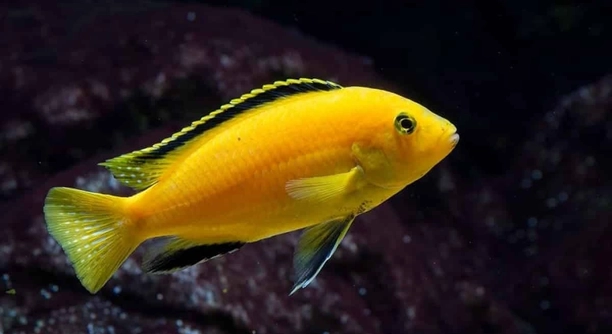
Many fishkeepers notice their cichlids become more aggressive right after a water change. This sudden change in behavior can be surprising, especially when the tank looks cleaner and healthier. Understanding why this happens can help improve your aquarium experience.
Cichlids often fight more after a water change due to shifts in water chemistry and temperature, which disrupt their established territory and stress their natural behavior. These changes cause heightened aggression as they reestablish dominance in the tank.
Knowing the reasons behind this behavior helps you manage your tank better and create a calmer environment for your fish to thrive in.
Why Water Chemistry Changes Affect Cichlid Behavior
Water changes alter the chemistry of the tank, even if only slightly. Parameters like pH, hardness, and mineral content can shift with fresh water added. Cichlids are very sensitive to these changes because they rely on stable conditions to feel secure. When the water chemistry shifts, it disrupts their sense of territory and comfort. This stress makes them more likely to show aggression as they try to reestablish control over their environment. Even small differences can cause this reaction, especially if the new water is cooler or warmer than the tank water. Over time, fish adjust to these changes, but right after a water change, tension rises. Understanding how water chemistry affects fish can help you prepare better and reduce fights.
Changes in water chemistry make cichlids stressed, which increases their aggressive behavior temporarily after a water change.
By slowly adjusting water parameters and matching the temperature, you can help your cichlids stay calm and keep aggression to a minimum.
The Role of Territory and Social Structure
Cichlids are territorial fish that establish clear social hierarchies. When the water changes, their environment feels different, and this confuses their sense of territory. Fish that felt secure in one spot may now feel the need to defend new areas. This leads to more chasing, chasing, and fighting as they try to reestablish who is dominant. The water change disturbs the scent marks and familiar cues they use to identify their space. Because these signals are less clear, fights break out more often. Once the water conditions stabilize and the fish settle down, their social structure becomes more peaceful again. Knowing this, it’s important to give your cichlids time and space after water changes to rebuild their social balance. Regular water changes done gently can reduce this stress over time.
How Temperature Differences Trigger Aggression
Even small temperature changes during a water change can stress cichlids. Their bodies react to the shift, making them uneasy and more prone to fighting.
When water is colder or warmer than their usual tank temperature, cichlids feel unsettled. This discomfort raises their stress levels, which often shows as increased aggression. They may chase or nip at each other to reassert dominance. Keeping water temperature steady during changes helps reduce this reaction and keeps your fish calmer. Using a heater or mixing tank water slowly can prevent big temperature swings and avoid triggering fights.
Matching the temperature of new water to the tank water is a simple step that greatly improves fish behavior. It helps cichlids feel secure and less threatened, which lowers their urge to compete aggressively.
Stress and Its Impact on Cichlid Behavior
Stress from water changes affects cichlids’ immune systems and behavior. When stressed, fish are more likely to become aggressive and less healthy overall. Managing stress is key to a peaceful aquarium.
Stress can cause cichlids to behave unusually, making them more aggressive or hiding more often. After a water change, fish are sensitive to new conditions, which adds to their stress. It weakens their immune system, increasing vulnerability to disease. Ensuring water parameters are stable and changes are done gradually helps reduce stress. Providing plenty of hiding spots lets fish escape conflict when needed. Recognizing signs of stress early allows you to take action and keep your cichlids healthy and balanced in their environment.
The Effect of Water Clarity on Aggression
Clearer water after a change can make fish feel exposed. This leads to increased aggression as they try to protect themselves.
When water clears up, cichlids can see each other more easily. This visibility often sparks more fights because they become more aware of rivals nearby.
The Role of Chemical Residues
Sometimes, leftover chemicals from water treatments or tap water can irritate fish. These irritants can make cichlids restless and more aggressive. It’s important to use proper conditioners to neutralize harmful substances and keep fish comfortable.
Feeding and Aggression
Feeding patterns also influence cichlid behavior. After a water change, they may act more competitive around food. Offering smaller, more frequent meals helps reduce food-related fights and keeps peace in the tank.
Tank Size and Space
Limited space increases competition. Smaller tanks make territorial disputes worse, especially after water changes. Providing enough room helps lower aggression and improves overall fish health.
FAQ
Why do cichlids get more aggressive right after a water change?
Cichlids are sensitive to changes in their environment. Water changes affect water chemistry, temperature, and clarity, which can stress the fish. Stress causes them to act defensively, increasing aggression as they try to reestablish territory and dominance.
How can I reduce aggression after a water change?
Match the new water’s temperature closely to the tank water. Add water slowly to avoid sudden shifts in chemistry. Use water conditioners to remove harmful chemicals. Providing hiding spots also gives fish places to retreat, which lowers stress and fighting.
Is it normal for cichlids to fight sometimes?
Yes, some level of fighting is normal because cichlids are territorial. They establish social hierarchies and defend their space. However, constant or severe fighting may indicate stress, overcrowding, or improper tank conditions.
Can water changes cause long-term aggression problems?
If water changes are done poorly or too often, yes. Frequent large changes with big parameter shifts can cause ongoing stress and aggression. Keeping changes gradual and consistent helps avoid this issue.
Does the size of the tank affect aggression after water changes?
Definitely. Smaller tanks give fish less space to establish territories, increasing competition and fights, especially after disturbances like water changes. Bigger tanks help fish spread out and reduce conflict.
How often should I do water changes to avoid stressing cichlids?
Regular water changes are important but should be done in smaller amounts, like 10-20% weekly or biweekly. Large, infrequent changes cause bigger disruptions, raising stress and aggression.
Should I feed cichlids differently after a water change?
It helps to feed smaller amounts more often after water changes to reduce competition. Avoid overfeeding, as leftover food can harm water quality, adding to stress.
What signs show my cichlids are stressed after a water change?
Look for hiding more than usual, rapid breathing, loss of appetite, or constant chasing and biting. These are signs they are uncomfortable and stressed.
Can water conditioners help reduce fighting after changes?
Yes, conditioners remove chlorine, chloramines, and heavy metals that irritate fish. This makes the water safer and less stressful, helping reduce aggression.
Is it better to change all the water or just part of it?
Partial water changes are best. Changing all the water at once causes major shifts in water chemistry and temperature, which stresses cichlids. Smaller, frequent changes keep conditions stable.
How long does increased aggression last after a water change?
Usually, aggression peaks within a few hours to a day after the change. Fish settle down once the environment stabilizes and territories are reestablished.
Can introducing new fish after a water change increase fighting?
Yes, new fish add stress and disrupt social hierarchies. Avoid adding new fish right after a water change. Let your cichlids settle first to keep peace.
What role does water pH play in cichlid aggression?
Cichlids prefer stable pH levels. Sudden pH changes after a water change cause stress and irritability, leading to more fighting. Use buffered water to maintain steady pH.
Are there species differences in aggression after water changes?
Yes, some cichlid species are naturally more aggressive. Species like African cichlids tend to be more territorial and react stronger to changes than more peaceful varieties.
Does tank decoration impact aggression post water change?
Definitely. Rocks, plants, and caves provide hiding spots and visual barriers that reduce fights. After a water change, these places help fish feel secure and lower aggression.
Can overstocking worsen aggression after water changes?
Overstocked tanks increase competition and stress, making aggression worse after any disturbance. Keep stocking levels appropriate for your tank size and species to minimize fighting.
How important is consistency in water changes?
Consistency helps fish predict changes and reduces stress. Random or infrequent water changes cause bigger shocks to the system, raising aggression.
What if aggression continues long after a water change?
Persistent fighting may mean underlying issues like illness, poor water quality, or overcrowding. Test water regularly, improve conditions, and consider separating overly aggressive fish if needed.
Can lighting changes affect cichlid aggression after water changes?
Yes, sudden shifts in lighting combined with water changes can increase stress. Keep lighting consistent or adjust gradually to avoid adding to fish discomfort.
Should I use a quarantine tank during water changes?
Usually not necessary just for water changes. Quarantine tanks are for new or sick fish. Proper water change techniques are enough to prevent stress and aggression.
Is it helpful to rearrange tank decorations after water changes?
Rearranging decorations can increase fights as fish defend new territories. Keep decorations stable to maintain social order and reduce conflict.
Water changes are an important part of keeping cichlids healthy, but they can also cause temporary increases in aggression. This happens because the fish’s environment changes quickly, affecting things like water chemistry, temperature, and visibility. When these factors shift, cichlids may feel stressed and insecure, which leads to fighting as they try to protect their space and reestablish their place in the tank’s social order. Understanding these reactions can help you prepare for water changes and take steps to reduce stress for your fish.
One way to make water changes easier for cichlids is to keep conditions as stable as possible. Matching the temperature of the new water to the tank water is very important, along with adding water slowly to avoid sudden changes in chemistry. Using water conditioners to remove harmful chemicals also helps create a safer environment. Providing plenty of hiding spots with rocks, plants, or decorations allows fish to escape conflict and feel more secure. These small efforts can make a big difference in keeping your cichlids calm after water changes.
Remember, a bit of aggression is normal among cichlids because of their territorial nature. However, by managing water changes carefully and keeping the tank environment consistent, you can reduce the amount and intensity of fighting. Patience is key since the fish usually settle down within hours or a day after the change. Watching your fish closely for signs of stress or ongoing aggression can help you make adjustments when needed. Overall, gentle care during water changes supports a healthier, more peaceful aquarium for your cichlids.

Hello,
If you enjoy the content that we create, please consider saying a "Thank You!" by leaving a tip.
Every little bit helps us continue crafting quality advice that supports the health, happiness, and well-being of pets around the world, for pets of all shapes, sizes, and species.
We really appreciate the kindness and support that you show us!