
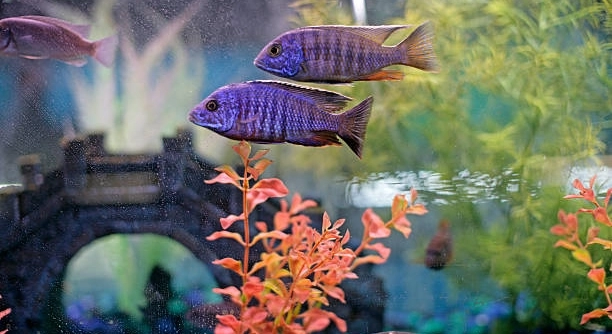
African cichlids are popular freshwater fish kept by many hobbyists. They come in bright colors and active personalities. Caring for them well means understanding their health and diet needs to keep them thriving in your aquarium.
African cichlids can become overweight if they are fed too much or given improper food. Excess weight can lead to health problems, reduced mobility, and a shorter lifespan. Proper feeding habits and a balanced diet are essential to avoid obesity in these fish.
Knowing how to manage their diet and recognize signs of weight gain helps maintain healthy cichlids. This article will guide you on how to keep them fit and happy.
Causes of Overweight in African Cichlids
Overfeeding is the most common reason African cichlids become overweight. Many fish owners want to make sure their pets are well fed, but giving too much food leads to excess fat storage. Feeding high-calorie foods regularly, like flakes or pellets with too many additives, can also contribute. Sometimes, cichlids are given treats that are not part of their natural diet, such as frozen or live foods in excess. Poor water quality and a lack of exercise can worsen the problem. When the tank is too small or overcrowded, fish have less space to swim and burn calories. Overweight cichlids may show slower movement and less interest in swimming around. Keeping track of feeding amounts and feeding schedules helps prevent this condition. Observing how much food your fish actually eat is important to avoid waste and weight gain.
Excess food left uneaten often pollutes the water, harming fish health.
Regular tank maintenance and proper feeding are key to controlling weight.
Signs to Watch For
Look for changes in your cichlid’s body shape. A rounder belly or thickened sides may indicate excess weight. Movement can become sluggish or awkward, especially when swimming upward. You might notice difficulty fitting through narrow spaces or hiding spots in the tank. In some cases, swollen areas near the stomach are visible. Overweight fish might lose their vibrant color or appear less active during feeding times. If you see these signs, it’s important to adjust the diet and environment quickly. Early action can prevent more serious health issues like fatty liver disease or swim bladder problems. Keep a close eye on your cichlids during regular feedings and tank cleanings to catch weight gain early. Small changes in behavior or appearance can tell you a lot about their health. Regular observation helps maintain a balanced and healthy tank environment.
Preventing Overweight in African Cichlids
Feeding the right amount is key to keeping cichlids healthy. Avoid giving more food than they can eat in a few minutes.
Measure food portions carefully. Feed small amounts two to three times a day instead of one large meal. Variety helps—mix pellets with occasional live or frozen foods to balance nutrition. Avoid overfeeding snacks or treats, as they add extra calories. Keep an eye on leftover food and remove it to keep the water clean. Providing enough swimming space encourages activity, helping fish burn calories. A well-maintained tank with clean water supports their metabolism and health.
Adjust feeding routines based on your cichlid’s age, size, and activity level. Younger fish need more energy for growth, but adult fish require less. If you notice weight gain, cut back slightly on food and increase swimming opportunities by rearranging tank decorations. Preventing overweight fish is easier than reversing the problem once it develops.
Proper Diet and Exercise
A balanced diet tailored to African cichlids’ needs supports healthy weight. Most cichlids thrive on high-quality pellets designed for their species. These pellets provide essential vitamins and minerals without excessive fats or fillers. Including protein-rich live or frozen foods, such as brine shrimp or bloodworms, a few times a week helps replicate natural feeding habits and provides energy. Vegetables like spirulina flakes or blanched peas can aid digestion and add fiber.
Encouraging exercise helps maintain muscle tone and prevent fat buildup. Arrange tank decorations to create open swimming areas as well as hiding spots. This setup encourages natural behavior and movement. Regular water changes keep the environment healthy, reducing stress that could affect appetite or activity. Monitoring both diet and tank setup helps keep your cichlids active, lean, and healthy over time.
Tank Environment and Its Impact
A spacious tank allows African cichlids to swim freely, which helps prevent weight gain. Overcrowding limits movement and encourages inactivity.
Proper filtration and regular water changes keep the tank clean. A healthy environment supports the fish’s metabolism and overall well-being.
Adjusting Feeding Habits
Reducing food portions gradually helps overweight cichlids lose excess weight safely. Sudden starvation can harm their health, so slow changes are best.
Feeding smaller meals multiple times a day mimics natural feeding and prevents overeating. Consistency in feeding times also supports a healthy routine.
Monitoring Weight Changes
Tracking your cichlids’ size and behavior regularly helps catch weight problems early. Use a tank ruler or photo reference to compare growth.
Note changes in swimming patterns or appetite, as these can indicate health issues related to weight or diet. Early detection improves chances for recovery.
Signs of Serious Health Problems
If your cichlid shows persistent lethargy, bloating, or difficulty swimming, seek advice from a vet experienced with fish. These can be signs of serious illness related to overweight.
FAQ
Can African cichlids eat too much?
Yes, African cichlids can eat too much if fed without control. Overfeeding often happens when owners want to keep their fish happy, but giving too much food leads to leftover waste and weight gain. It’s important to feed only what the fish can consume within a few minutes to avoid this.
How can I tell if my cichlid is overweight?
Signs include a rounder belly, thicker body, and sluggish swimming. The fish may struggle to move quickly or hide. Color changes and loss of appetite can also be warning signs. Watching their shape and activity regularly helps catch overweight problems early.
What happens if my cichlid becomes obese?
Obesity in cichlids can lead to health issues such as fatty liver disease and swim bladder problems. These conditions affect their ability to swim and digest food properly. Overweight fish often have shorter lifespans and can develop secondary infections due to weakened immune systems.
How often should I feed my African cichlids?
Feeding two to three times a day is usually ideal. Small portions at these times help prevent overeating. Adjust feeding frequency based on your fish’s size, age, and activity level. Younger fish need more frequent feeding, but adults do better with smaller, controlled meals.
What foods are best for African cichlids?
High-quality pellets made for cichlids form the base of their diet. Supplementing with occasional live or frozen foods like brine shrimp or bloodworms provides protein. Vegetables like peas or spirulina flakes help with digestion. Avoid fatty or filler-heavy foods to prevent weight gain.
Can tank size affect my cichlid’s weight?
Yes, a small or crowded tank restricts movement, causing fish to be less active and gain weight. Providing enough space encourages swimming, which helps burn calories. Overcrowded tanks also cause stress, which can affect eating habits and health.
How do I safely reduce my cichlid’s weight?
Cut food portions gradually rather than stopping feeding suddenly. Introduce more swimming space and encourage activity by rearranging tank decorations. Monitor the fish closely to ensure it is losing weight without signs of stress or illness.
Is it harmful if I feed my cichlid treats?
Treats can be given occasionally but should never replace balanced meals. Too many treats add unnecessary calories and cause weight gain. Choose healthy options and limit how often you offer them.
What are common mistakes in feeding cichlids?
Common errors include overfeeding, giving inappropriate foods, feeding once a day with large amounts, and ignoring leftover food in the tank. These mistakes lead to poor water quality and overweight fish.
Can stress affect my cichlid’s weight?
Stress can change a fish’s appetite and metabolism, sometimes causing weight gain or loss. Stress factors include poor water conditions, aggressive tankmates, or insufficient hiding places. Keeping the tank clean and peaceful helps maintain healthy weight.
How important is water quality for preventing overweight?
Water quality is very important. Dirty water stresses fish, affects digestion, and may reduce activity levels, encouraging weight gain. Regular water changes and proper filtration keep your cichlids healthy and active.
What if my cichlid refuses to eat after reducing food?
A sudden reduction might cause your fish to eat less or hide. Reduce portions slowly and watch for normal behavior. If your fish stops eating for more than a couple of days, check water quality and consider consulting a vet.
Can exercise really help overweight cichlids?
Yes, encouraging swimming helps burn calories. Setting up open spaces in the tank and limiting overcrowding increases movement. Exercise supports muscle tone and overall health, reducing the risk of obesity.
Should I separate overweight cichlids from others?
Separating fish is not usually necessary unless the overweight fish is being bullied or stressed by others. Focus on improving diet and tank conditions for all fish to maintain a healthy environment.
When should I seek veterinary help for my cichlid?
If your fish shows severe lethargy, abnormal swimming, persistent bloating, or fails to respond to diet changes, professional help is needed. A vet can diagnose underlying health issues and recommend treatment. Early care improves chances of recovery.
African cichlids are lively and colorful fish that many people enjoy keeping in their aquariums. Like all pets, they need proper care to stay healthy. One important part of their care is making sure they don’t become overweight. Overfeeding and giving the wrong types of food can cause African cichlids to gain too much weight, which can lead to health problems. By paying attention to how much and what you feed them, you can help keep your fish fit and active. It is also important to provide a tank environment that allows them plenty of space to swim and explore. This encourages natural movement and helps prevent extra weight gain.
Keeping an eye on your cichlid’s body shape and behavior is a simple way to notice if they are gaining too much weight. If your fish looks rounder than usual or moves more slowly, it may be time to adjust their diet and tank setup. Feeding smaller amounts multiple times a day rather than one large feeding can make a big difference. Choosing foods that are made especially for African cichlids and mixing in some live or frozen treats occasionally can keep their diet balanced. Avoid giving too many snacks or high-fat foods, as these add extra calories that your fish does not need. Clean water and a well-maintained tank also support your fish’s health and energy levels.
Preventing overweight in African cichlids takes consistent care and attention, but it is not difficult. By watching how much your fish eats, keeping the tank clean, and providing room for exercise, you can help your cichlids live a longer and healthier life. If you notice signs of weight gain, act quickly to change feeding habits and improve their environment. Sometimes small changes make a big difference. Remember, healthy fish are more active and colorful, which makes your aquarium more enjoyable. With careful care, your African cichlids can stay happy and fit for years to come.

Hello,
If you enjoy the content that we create, please consider saying a "Thank You!" by leaving a tip.
Every little bit helps us continue crafting quality advice that supports the health, happiness, and well-being of pets around the world, for pets of all shapes, sizes, and species.
We really appreciate the kindness and support that you show us!