
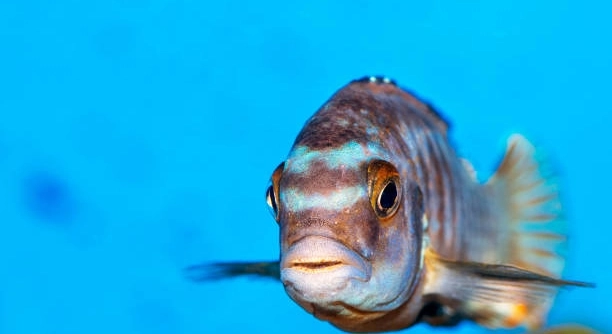
Is your African cichlid spending more time than usual lying on the bottom of the tank? This behavior can be concerning for any fish owner. It often signals that something in the environment or health of the fish needs attention.
African cichlids lie on the bottom for several reasons, including stress, poor water quality, illness, or lack of oxygen. These factors affect their behavior and well-being, making it essential to identify and correct the underlying cause promptly.
Understanding why your cichlid acts this way can improve its care and help maintain a healthy aquarium environment. This article will explain common causes and practical steps to address them.
Common Reasons for Bottom Lying Behavior
One of the main reasons African cichlids lie on the bottom of the tank is poor water quality. Ammonia, nitrites, and nitrates can build up quickly, creating a harmful environment. Low oxygen levels in the water can also cause fish to stay near the bottom where oxygen might be more available. Stress is another factor, often caused by overcrowding or aggressive tank mates. Illness and parasites affect fish behavior too, making them weak and less active. Sometimes, fish rest on the bottom simply because they are tired or molting. It is important to test the water regularly and perform routine maintenance like water changes. Observing the fish for signs of disease or injury is also key. A balanced diet supports their health and energy levels, reducing unusual resting behavior. Taking care of these factors ensures a healthier, more active cichlid.
Regular water tests can prevent many health issues.
Keeping up with water quality and fish health requires consistent attention. Avoid overcrowding the tank and remove aggressive fish to reduce stress. Use a reliable water test kit to monitor chemical levels weekly. Change 20-30% of the water every week to keep conditions stable. If illness signs appear, such as discoloration or lethargy, treat promptly with appropriate medication. Feeding a varied, nutritious diet also strengthens immune systems. Small changes in tank setup, like adding hiding spots, can comfort stressed fish. These steps create an environment where African cichlids thrive, reducing the chance of bottom-laying behavior and promoting overall well-being.
How to Improve Your Cichlid’s Environment
Improving tank conditions is essential when your cichlid lies on the bottom. Simple changes can make a big difference in their comfort and health.
Start by checking the water temperature and quality. African cichlids prefer stable temperatures between 75°F and 82°F. Adding an air stone can increase oxygen levels, which helps active swimming. Rearranging decorations to create hiding spots reduces stress and gives fish places to rest safely. Removing aggressive tank mates or separating fish if needed can prevent injury and fear. Feeding small portions multiple times a day helps maintain energy without polluting the water. Regular cleaning of the substrate and filters keeps the environment healthy. Keeping these conditions stable encourages your cichlid to swim freely and stay active rather than resting at the bottom.
Signs of Illness in African Cichlids
Lethargy, loss of appetite, and discoloration are common signs that your cichlid might be sick. These symptoms often accompany bottom-laying behavior and should be taken seriously to prevent further health decline.
Parasites, bacterial infections, and fungal diseases can affect cichlids, causing changes in behavior and appearance. Early detection is important. Check for white spots, torn fins, or unusual growths on the body. Swim bladder problems can also cause difficulty swimming and resting on the bottom. Quarantine new fish before introducing them to your tank to reduce the risk of spreading disease. Proper medication and treatment depend on identifying the specific illness, so consulting with a specialist or experienced aquarist can be helpful.
Stress weakens the immune system, making fish more vulnerable to illness. Keep the tank clean and stable to reduce stressors. Maintaining good water quality and minimizing sudden changes in temperature or pH supports your cichlid’s recovery. Providing a nutritious diet rich in vitamins can also help boost their immune response.
Preventing Bottom-Lying Behavior
Maintaining stable water conditions is key to preventing bottom-laying. Regular water testing and partial water changes help keep ammonia, nitrite, and nitrate at safe levels. Avoid overcrowding by ensuring your tank size matches the number and size of fish you keep. Proper tank filtration and aeration also play important roles in fish health.
Establish a consistent feeding routine with balanced, high-quality food to meet nutritional needs. Avoid overfeeding, which pollutes the tank and stresses fish. Monitor fish behavior regularly to spot early signs of illness or stress. Introducing plants and hiding spots provides comfort and reduces anxiety. Reducing aggression by separating territorial fish supports a peaceful environment. These combined measures promote healthy activity and prevent your African cichlid from staying at the bottom for long periods.
Monitoring Water Parameters
Regularly checking water parameters is essential to keep your cichlid healthy. Test for ammonia, nitrite, nitrate, pH, and temperature. Maintaining stable levels prevents stress and illness.
Invest in a reliable test kit and record results weekly. Sudden changes can harm your fish and cause bottom-laying behavior.
Adjusting Tank Setup
Rearranging the tank can help reduce stress. Provide plenty of hiding spots with rocks, caves, or plants. This makes your cichlid feel secure.
Avoid overcrowding by spacing decorations to give enough swimming room. A well-organized tank supports healthier fish and more active behavior.
Feeding Practices
Feed your cichlid high-quality food in small amounts twice daily. Overfeeding leads to poor water quality and health problems.
Remove uneaten food promptly to prevent decay and maintain clean water conditions. Consistent feeding helps keep your fish energetic and less likely to rest on the bottom.
When to Seek Help
If your cichlid shows prolonged bottom-laying with other illness signs, professional advice may be needed. Early intervention improves chances of recovery.
FAQ
Why is my African cichlid lying on the bottom but still eating?
Sometimes, cichlids lie on the bottom while still eating because they are resting or conserving energy. This behavior might happen after feeding or during low activity periods. However, if the resting lasts too long or is accompanied by other symptoms like lethargy or discoloration, it could indicate stress or illness that needs attention.
Can poor water quality cause my cichlid to lie at the bottom?
Yes, poor water quality is one of the main reasons for bottom-laying behavior. High levels of ammonia, nitrites, or nitrates create a toxic environment. Low oxygen or improper pH levels also stress the fish, making them less active and more likely to rest on the tank floor.
How often should I change the water to keep my cichlid healthy?
Changing 20-30% of the water weekly is recommended to maintain stable and healthy conditions. This helps remove harmful substances and keeps water parameters balanced. Avoid changing too much water at once, as it can shock your fish and cause stress.
Could my African cichlid be sick if it is lying on the bottom?
Yes, illness is a common cause of this behavior. Diseases such as bacterial infections, parasites, or swim bladder problems can weaken fish. Watch for other signs like loss of appetite, spots, or frayed fins. Early diagnosis and treatment are important to prevent serious health issues.
Is stress a factor in bottom-laying behavior?
Stress greatly affects cichlids. Overcrowded tanks, aggressive tank mates, and sudden changes in water quality or temperature can cause stress. This makes fish hide or rest on the bottom more often. Reducing stress improves activity and overall health.
What should I do if my cichlid lies on the bottom after adding new fish?
Introducing new fish can cause territorial disputes or stress. Keep new fish quarantined before adding them. Observe interactions carefully and separate aggressive fish if necessary. Providing plenty of hiding spots can reduce tension and help your cichlids feel secure.
Can diet affect my African cichlid’s behavior?
A balanced diet is important. Poor nutrition weakens immune systems and reduces energy. Feeding varied, high-quality foods in proper amounts supports health and activity levels. Avoid overfeeding, which pollutes the water and stresses fish.
How do I know if my cichlid’s resting is normal or a sign of trouble?
Occasional resting at the bottom is normal, especially after feeding or during nighttime. But prolonged inactivity, lack of appetite, or physical changes suggest problems. Regular observation helps distinguish between rest and illness.
Are water temperature changes harmful to my African cichlid?
Sudden or extreme temperature changes can stress cichlids, leading to bottom-laying behavior. Maintain a stable temperature between 75°F and 82°F. Use a reliable heater and thermometer to avoid fluctuations.
What is swim bladder disease, and can it cause bottom-laying?
Swim bladder disease affects a fish’s ability to control buoyancy, causing it to sink or float awkwardly. Infected fish often lie on the bottom or struggle to swim properly. Causes include infections, constipation, or injury. Treatment varies depending on the cause.
Should I isolate my cichlid if it keeps lying on the bottom?
Isolation may be necessary if illness or aggression is suspected. Quarantine the fish in a separate tank to monitor and treat it safely. This prevents spreading disease and reduces stress during recovery.
Can poor tank decoration lead to bottom-laying?
Lack of hiding places can increase stress and cause fish to lie still. African cichlids feel safer with rocks, caves, and plants to hide in. Providing adequate shelter encourages natural behavior and reduces bottom-laying caused by anxiety.
How can I improve oxygen levels in my tank?
Use an air stone, increase water surface agitation, or add a filter that promotes aeration. Good oxygen levels support healthy fish activity. Stagnant or poorly oxygenated water often leads to fish resting on the bottom.
Are there any specific signs to watch for to catch illness early?
Look for changes in color, clamped fins, rapid gill movement, white spots, or frayed fins. Sudden loss of appetite or hiding more than usual also signals trouble. Early detection improves treatment success.
What role does tank size play in my cichlid’s behavior?
A tank that is too small causes stress and aggression. Cichlids need enough space to swim and establish territories. In cramped tanks, bottom-laying may increase due to fear or exhaustion. A properly sized tank promotes health and natural activity.
African cichlids lying on the bottom of the tank is a behavior that often signals something important about their health or environment. It is not unusual for these fish to rest on the bottom occasionally, but when it becomes frequent or prolonged, it deserves attention. Many factors can cause this behavior, such as poor water quality, stress, illness, or problems with the tank setup. Recognizing the signs early and understanding the possible causes helps in making the right adjustments to improve your fish’s condition. Regular care and observation are key to maintaining a healthy aquarium where your cichlid feels comfortable and active.
Maintaining proper water conditions is one of the most effective ways to prevent bottom-laying behavior. Testing the water regularly for ammonia, nitrites, nitrates, and pH keeps the environment safe for your fish. Making routine partial water changes helps remove harmful substances and keeps parameters balanced. Temperature stability is equally important, as sudden changes can cause stress and impact fish health. Providing enough space and hiding spots within the tank reduces stress and allows the cichlid to express natural behaviors. Feeding a balanced diet in appropriate amounts supports their immune system and energy levels. These steps work together to create a stable, healthy home for your fish.
If your cichlid continues to lie on the bottom despite your efforts, it may be a sign of illness or injury that requires more specific care. Watch for additional symptoms like changes in appetite, appearance, or activity levels. Sometimes, medical treatment or isolation from other fish may be necessary to help your cichlid recover. Consulting an experienced aquarist or veterinarian can guide you in diagnosing and treating the problem. Being patient and attentive while providing consistent care will improve the chances of your fish regaining its health. Overall, understanding why your African cichlid lies on the bottom allows you to take the right steps to support its well-being.

Hello,
If you enjoy the content that we create, please consider saying a "Thank You!" by leaving a tip.
Every little bit helps us continue crafting quality advice that supports the health, happiness, and well-being of pets around the world, for pets of all shapes, sizes, and species.
We really appreciate the kindness and support that you show us!