
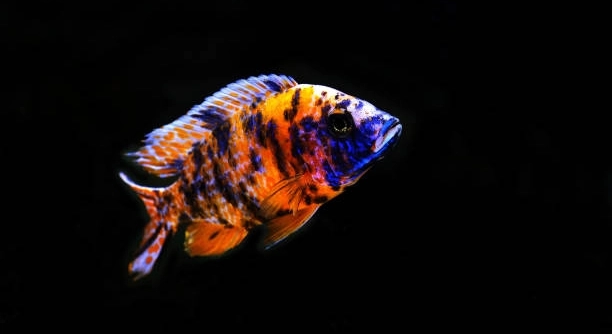
African cichlids are popular aquarium fish known for their vibrant colors and active behavior. Many fish owners notice that these cichlids act differently at night compared to daytime. Understanding this change can improve care for these fascinating creatures.
African cichlids change behavior at night primarily due to their natural instincts for safety and rest. In the wild, nighttime increases vulnerability to predators, so they reduce activity and seek shelter. This behavior helps conserve energy and avoid danger during dark hours.
These behavioral shifts are important for maintaining healthy and stress-free fish. Recognizing their nighttime habits helps ensure a suitable environment for their well-being.
Natural Instincts and Nighttime Behavior
African cichlids are adapted to environments where nighttime brings increased risks. In their natural habitats, darkness limits visibility, making them more vulnerable to predators. To protect themselves, these fish become less active and seek hiding spots among rocks or plants. This quiet behavior helps them conserve energy and avoid drawing attention. Even in an aquarium setting, these instincts remain strong. Although they feel safer in captivity, their biological rhythms continue to influence how they behave after lights go out. You may notice them resting on the bottom or staying close to shelter, showing that their survival mechanisms are still active. Understanding this can help fishkeepers create a more comfortable environment by providing ample hiding places and a consistent day-night cycle. This approach reduces stress and encourages natural behavior, making it easier to care for these colorful fish.
Their nighttime inactivity is a protective adaptation that helps ensure their survival in the wild.
Creating a tank environment that mimics natural conditions supports these behaviors. Soft lighting and plenty of secure hiding spots encourage the fish to rest properly at night. Avoid disturbing them during this time to keep stress levels low. Keeping a regular lighting schedule helps maintain their internal clock, promoting overall health and longevity. Recognizing these natural tendencies allows caretakers to meet their needs more effectively and enjoy watching the subtle shifts in their behavior through day and night cycles.
How Environment Affects Night Behavior
The tank environment plays a key role in shaping African cichlids’ nighttime actions.
Lighting, tank size, and decorations influence how secure the fish feel. Bright or sudden changes in lighting can cause stress, making them restless instead of calm. A tank with plenty of rocks and plants offers shelter that helps reduce anxiety. When the environment feels safe, cichlids show more typical nighttime behavior by settling down quietly. Conversely, an open or poorly arranged tank may lead to unusual activity or hiding out of fear. Temperature also matters, as cooler water at night encourages lower activity levels. Keeping consistent conditions helps cichlids maintain their natural rhythm. Observing these factors allows you to adjust the habitat for a peaceful night environment, supporting the fish’s well-being and reducing stress-related problems. This careful balance is key to keeping your cichlids healthy and displaying their natural nighttime behavior.
Feeding and Activity Patterns at Night
African cichlids naturally reduce feeding activity at night. Their metabolism slows, and they focus on resting rather than searching for food. This helps conserve energy during hours when visibility is low and risks are higher.
Their feeding schedules are influenced by light cycles. During the day, cichlids are active and feed regularly. At night, they eat much less or not at all. Offering food only during daylight hours matches their natural behavior and prevents uneaten leftovers that could pollute the tank. This also supports healthier digestion and keeps water conditions stable. Watching their daily routine can help you provide food at the right times, ensuring they stay healthy without overfeeding.
Adjusting feeding times to their active periods reduces stress and supports natural rhythms. Feeding at night can disturb their rest and cause unnecessary activity, which may impact overall health. Recognizing this pattern allows better care tailored to their needs.
Social Behavior Changes After Dark
African cichlids often show different social behavior at night. During the day, they may display territorial or aggressive actions. At night, these behaviors usually calm down.
Reduced lighting lowers visibility, so fish become less confrontational. They retreat to shelters or group together quietly. This shift reduces energy spent on dominance and defense. If a tank lacks enough hiding spaces, stress and conflict may increase. Providing proper shelter encourages peaceful nighttime interactions and helps maintain harmony among tank mates. Understanding these social changes allows better tank management and promotes a healthier environment for all fish involved.
Light Sensitivity and Behavior
African cichlids are highly sensitive to changes in light. Sudden shifts in brightness can startle them and alter their behavior quickly.
Maintaining a consistent lighting schedule helps them adjust naturally. Gradual dimming of lights simulates dusk, encouraging calmer behavior before night.
Rest and Recovery in Cichlids
Rest is essential for African cichlids to maintain health and energy. During nighttime, their reduced movement supports physical recovery and stress reduction. Proper rest allows immune function to stay strong and promotes better coloration and growth. Disruptions in their rest cycle can lead to stress-related illnesses, so a peaceful night environment is important.
Influence of Tank Mates on Night Behavior
Tank mates affect how African cichlids behave at night. Aggressive or active companions may disturb their rest, causing increased nighttime movement. Choosing compatible species helps create a calmer environment.
FAQ
Why do African cichlids hide more at night?
African cichlids hide more at night because it is part of their natural survival instinct. Darkness makes them vulnerable to predators in the wild, so they seek shelter to feel safe. This behavior carries over to aquarium life, where they look for places to rest quietly without feeling threatened.
Do African cichlids sleep like humans do?
Cichlids do not sleep exactly like humans, but they do enter a restful state. During this time, they reduce movement and respond less to stimuli. This rest period helps conserve energy and supports their overall health. Their “sleep” may look like stillness on the bottom or among plants, but they remain alert to sudden changes.
Can changes in tank lighting affect their nighttime behavior?
Yes, lighting has a big impact. Sudden or harsh changes can stress cichlids, making them more active or anxious at night. A steady, gradual dimming of lights mimics natural dusk and encourages calm behavior. Consistent light cycles help maintain their internal clock and natural rhythms.
Is it normal for African cichlids to be less active at night?
It is completely normal. These fish conserve energy and avoid unnecessary risks by reducing movement after dark. Lower activity levels also help with physical recovery. If your cichlids are restless all night, it may be due to tank stressors like poor hiding spots or incompatible tank mates.
How can I help my cichlids feel safe at night?
Providing plenty of hiding spaces such as caves, rocks, or plants helps. Avoid sudden noises and bright lights when the tank lights go off. Keeping a consistent day-night lighting schedule also reduces stress and supports their natural behavior. A calm environment encourages restful nights.
Why do some African cichlids become aggressive during the day but calm at night?
During the day, cichlids establish territories and compete for resources, which leads to aggression. At night, reduced visibility lowers their need to defend territory, so they become less aggressive and more passive. This pattern is common and reflects their natural social behavior.
Can feeding African cichlids at night affect their health?
Feeding at night is not recommended because their metabolism slows down. Nighttime feeding can lead to uneaten food, which pollutes the water and stresses the fish. Feeding during daylight hours aligns with their natural active periods and supports digestion and health.
What role does temperature play in their nighttime behavior?
Temperature affects metabolism and activity levels. Slightly cooler water at night encourages rest and reduces movement. Sudden temperature changes or consistently warm temperatures can keep cichlids active and stressed. Maintaining stable, appropriate temperatures supports their natural cycle.
How do tank mates influence African cichlids at night?
Tank mates that are active or aggressive can disrupt cichlids’ rest by causing stress or conflict. Quiet, compatible species help create a peaceful nighttime environment. Observing interactions and choosing suitable companions reduces disturbances and promotes natural behavior after dark.
Is it normal for African cichlids to make noises or movements at night?
Some movement or subtle noises like bubbling or scraping can occur, but excessive activity is unusual. Mild nighttime activity may be related to breathing or shifting position for comfort. Persistent or frantic movement could indicate stress, poor water quality, or illness, requiring attention.
How important is maintaining a regular day-night cycle for African cichlids?
A consistent light schedule is vital. It regulates their biological clock, affecting feeding, behavior, and rest. Irregular lighting can cause stress, disrupt sleep, and weaken their immune system. Using timers to simulate natural day and night supports their health and well-being.
What signs show that African cichlids are stressed at night?
Signs include restlessness, hiding excessively without settling, rapid breathing, or unusual aggression. These behaviors may mean the environment is not meeting their needs, such as inadequate shelter, poor water quality, or incompatible tank mates. Addressing these issues helps reduce stress.
Can changes in water quality affect nighttime behavior?
Yes, poor water quality can cause discomfort and abnormal behavior, especially at night when fish are resting. Elevated toxins or low oxygen levels may make them restless or cause gasping at the surface. Regular water tests and maintenance are key to keeping them healthy and calm.
Do African cichlids show different behavior during breeding at night?
Breeding can affect nighttime behavior, sometimes making cichlids more active or territorial even in the dark. They may guard eggs or fry and stay near their chosen site. Providing adequate space and hiding spots helps reduce stress during this period.
How can I tell if my cichlid’s nighttime behavior is healthy?
Healthy nighttime behavior includes resting quietly, reduced movement, and seeking shelter. Occasional gentle swimming or position changes are normal. Sudden changes, constant activity, or signs of distress suggest a problem. Monitoring their behavior daily helps identify issues early.
Is it okay to keep the aquarium lights on overnight for African cichlids?
Keeping lights on overnight is not recommended. It disrupts their natural cycle and can cause stress, affecting sleep and overall health. A dark environment during night hours promotes rest and mimics their natural habitat, supporting balanced behavior.
What should I do if my cichlids become too active at night?
Check for stressors like bright lights, poor water quality, or aggressive tank mates. Adjust the environment by providing hiding spots, maintaining stable conditions, and ensuring a proper light schedule. Reducing disturbances helps calm their nighttime activity.
Are there differences in night behavior between cichlid species?
Yes, some species are naturally more active or territorial than others. Habitat differences in the wild influence these behaviors. Knowing the specific needs and habits of your cichlid species helps create the right environment for their natural night behavior.
Can noise outside the aquarium affect their night behavior?
Loud or sudden noises can startle cichlids and increase nighttime stress. Keeping the tank in a quiet area and minimizing vibrations helps maintain a peaceful environment for rest. This attention to surroundings supports their comfort and health.
How long do African cichlids typically rest at night?
They usually rest for several hours during the dark period, depending on the lighting schedule. Consistent, uninterrupted darkness allows proper rest. Interruptions or irregular lighting shorten rest time and may impact their well-being.
Is it necessary to mimic natural moonlight in the aquarium?
Moonlight simulation is not required but can be beneficial. Soft, dim lighting at night may help maintain natural rhythms without disturbing rest. However, complete darkness is generally preferred to ensure deep rest and reduce stress.
African cichlids show noticeable changes in behavior when night falls, and understanding these changes can improve how we care for them. Their natural instincts cause them to become less active and seek shelter after dark, which is a survival strategy inherited from their wild ancestors. This quiet time is essential for conserving energy and avoiding threats. Even in a safe aquarium, these instincts remain strong. By recognizing this, fishkeepers can create environments that respect their needs and help maintain their health.
Creating the right conditions in the tank is key to supporting these nighttime behaviors. Providing plenty of hiding spots, maintaining a consistent lighting schedule, and avoiding sudden changes in light all help the fish feel safe and reduce stress. Feeding during the day rather than at night aligns with their natural rhythms and supports their digestion and metabolism. Temperature stability and compatible tank mates also play a big role in promoting calm, restful nights for cichlids. When the environment feels secure, the fish can rest well and stay healthy, showing their vibrant colors and active personalities during the day.
Observing your African cichlids over time will reveal patterns in how they behave after dark. Paying attention to these behaviors gives insight into their well-being and can highlight if something in their environment needs adjustment. It is important to respect their natural cycles and not disturb them during their resting hours. Creating a peaceful tank atmosphere benefits not only the cichlids but also the overall harmony of the aquarium. By understanding and supporting their nighttime behavior, fishkeepers can enjoy healthier, happier cichlids and a more balanced aquarium ecosystem.

Hello,
If you enjoy the content that we create, please consider saying a "Thank You!" by leaving a tip.
Every little bit helps us continue crafting quality advice that supports the health, happiness, and well-being of pets around the world, for pets of all shapes, sizes, and species.
We really appreciate the kindness and support that you show us!