
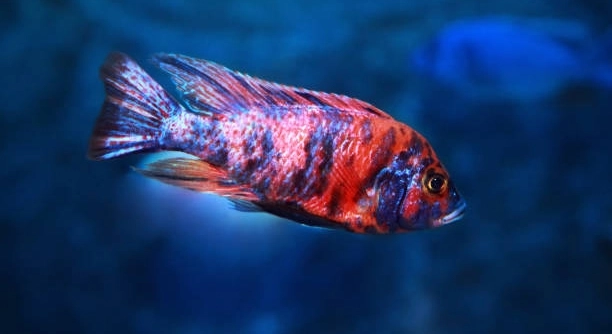
African cichlids are popular aquarium fish known for their vibrant colors and active behavior. Many hobbyists enjoy keeping them but sometimes face challenges when these fish do not breed as expected. Understanding why this happens can improve the chances of successful breeding.
The primary reasons African cichlids fail to breed include unsuitable water conditions, improper tank setup, and lack of appropriate diet or compatible mates. Environmental stressors and inadequate territory can also inhibit breeding behavior. Addressing these factors is essential for encouraging reproduction.
Learning how to create the right environment and meet their needs can make a significant difference. Knowing these basics will help you support your cichlids’ natural breeding instincts and improve your aquarium experience.
Common Water Conditions That Affect Breeding
Water quality is a critical factor for African cichlids to breed successfully. These fish require specific pH levels, temperature, and hardness to feel comfortable and ready to spawn. If the water is too acidic or too soft, it can prevent breeding behavior. Ideal water parameters typically include a pH between 7.8 and 8.6 and a temperature range of 75 to 82 degrees Fahrenheit. Regular testing and adjustments are necessary to maintain these conditions. Chlorine or ammonia in the water can also stress the fish and stop breeding completely. Frequent water changes help keep the environment stable and clean. Besides chemistry, the tank size matters as well. Overcrowded tanks create stress and territorial disputes, which lowers the chances of mating. Ensuring enough space and good filtration can improve water quality and encourage breeding behavior.
Water conditions that don’t meet these needs can cause stress, making the fish less likely to breed. Stable, clean water with proper pH and temperature is essential.
Maintaining ideal water parameters can seem challenging but is very important. Using test kits regularly and adjusting water chemistry when needed will help your cichlids stay healthy and ready to breed. Patience and consistency in water care often lead to better results. Remember, the environment you provide is the foundation for successful breeding.
Tank Setup and Environment
The right tank setup supports natural breeding habits. Providing plenty of hiding spots, rocks, and caves creates territories where cichlids feel safe. These spaces reduce aggression and allow fish to establish breeding pairs. Lighting should be moderate to mimic their natural habitat. Bright or harsh lighting can stress fish and inhibit mating. Substrate choice also matters; sand or fine gravel is preferred for many species. Avoid sudden changes in the tank layout, as this can disrupt their behavior. A well-planned tank encourages natural breeding rituals and egg-laying activities. Proper filtration that doesn’t create strong currents is important since cichlids prefer calm waters during breeding.
A suitable tank environment supports cichlids’ natural behavior and breeding readiness.
Creating a stable, secure habitat helps reduce stress and aggression, making breeding more likely. It’s helpful to observe how your fish interact and adjust the setup as needed to promote peaceful conditions. Proper territory management and tank organization play a large role in successful breeding outcomes.
Diet and Nutrition
Proper nutrition plays a significant role in encouraging breeding among African cichlids. A balanced diet rich in protein and vitamins supports their health and reproductive readiness.
Feeding your cichlids a mix of high-quality pellets, live or frozen foods such as brine shrimp and bloodworms helps mimic their natural diet. Avoid overfeeding, as excess food can pollute the tank and harm water quality. Including occasional vegetable matter like spirulina flakes ensures they receive essential nutrients. Good nutrition boosts energy and overall condition, which are necessary for successful breeding.
Inadequate diet can lead to weak or infertile eggs and reduce the desire to breed. Maintaining a varied and nutritious feeding schedule encourages natural breeding instincts. This also supports the growth of healthy fry after spawning, increasing survival rates and ensuring the longevity of your cichlid population.
Compatibility and Social Dynamics
Breeding African cichlids requires understanding their social behavior. Compatibility between mates influences breeding success, as aggressive or incompatible pairings can prevent spawning.
Certain species or individuals may not get along due to territorial disputes or dominance hierarchies. It’s important to observe fish interactions and separate aggressive members if necessary. Keeping one male with multiple females often reduces aggression and increases breeding chances. Avoid overcrowding to minimize stress and fighting, which inhibits mating behavior. Creating distinct territories using tank décor helps reduce conflicts and encourages pair bonding.
Proper social management promotes breeding by lowering stress and allowing natural pair formation. Recognizing compatible pairs and managing group dynamics helps maintain a healthy environment conducive to reproduction. Understanding these social factors is essential for any breeding setup.
Stress and Its Impact on Breeding
Stress can greatly reduce the chances of African cichlids breeding. Common causes include overcrowding, poor water quality, and aggressive tank mates.
Minimizing stress means maintaining clean water, providing enough space, and avoiding frequent disturbances. A calm environment encourages natural breeding behavior.
Breeding Behavior and Signs
African cichlids display specific behaviors when ready to breed, such as digging pits, showing bright colors, and increased territoriality. Recognizing these signs helps in preparing the tank and separating breeding pairs if needed.
Pay close attention to these behaviors to support successful spawning and protect eggs and fry during the breeding process.
Temperature Control
Maintaining a stable temperature within the preferred range (75-82°F) is important. Fluctuations can stress fish and disrupt breeding cycles.
Light Cycle Consistency
A consistent light cycle simulates natural day and night rhythms, which can help trigger breeding behavior in cichlids.
FAQ
Why are my African cichlids not laying eggs?
African cichlids may not lay eggs due to stress, poor water conditions, or lack of suitable mates. If the water chemistry is off, or the tank is overcrowded, they may not feel comfortable enough to spawn. Providing clean water, enough space, and compatible mates encourages egg laying.
How long does it take for African cichlids to breed?
Breeding can take several weeks depending on tank conditions and fish maturity. Once a pair forms, spawning typically happens within a few days to two weeks. Patience is key, as rushed or stressed fish often delay breeding.
Can I breed African cichlids in a community tank?
Breeding in a community tank is possible but challenging. Other fish may disturb or eat eggs and fry. It’s often better to separate breeding pairs into a dedicated tank to improve survival rates.
What is the best diet to encourage breeding?
A diet rich in protein such as brine shrimp, bloodworms, and quality pellets promotes breeding readiness. Adding vegetable matter like spirulina helps balance nutrition. Feeding small amounts several times a day supports energy without polluting water.
How do I know if my cichlids are a breeding pair?
Breeding pairs often show close interaction, territory defense, and synchronized movements like digging pits. Males display brighter colors, and females may appear rounder when ready to lay eggs.
How can I protect the eggs and fry?
Separating breeding pairs into a separate tank helps protect eggs from other fish. Some cichlids are mouthbrooders and will carry eggs in their mouths until fry hatch, reducing risk. Avoid disturbing the tank during this time.
What water parameters are ideal for breeding?
A pH between 7.8 and 8.6, temperature between 75 and 82°F, and moderately hard water are preferred. Regular water changes keep the environment clean, which supports spawning.
How often should I change the water during breeding?
Changing 20-30% of the water weekly is sufficient. Avoid large or sudden changes, as this can stress fish and interrupt breeding. Keep water parameters stable.
Can lighting affect breeding?
Yes, consistent moderate lighting simulates natural conditions and can trigger breeding. Avoid bright or flickering lights, which cause stress.
What signs show that breeding was successful?
Successful breeding is indicated by visible eggs or fry in the tank. The female may hold eggs in her mouth if she is a mouthbrooder. Parents will protect the territory and show less aggression towards fry.
Is tank size important for breeding?
Tank size matters. Smaller tanks increase stress and aggression, reducing breeding chances. A minimum of 30 gallons is recommended for breeding pairs, with more space preferred for larger groups.
Can changing tank decorations help breeding?
Yes, adding rocks, caves, and hiding spots helps establish territories and reduces aggression. Changing the layout too often can stress fish, so make adjustments carefully.
What should I do if my cichlids fight constantly?
Separate aggressive fish to reduce stress. Providing enough space and hiding spots can lessen fights. Sometimes one male with multiple females reduces conflict.
How soon do fry grow after hatching?
Fry grow quickly with proper care, usually becoming free-swimming within 7-10 days. Providing fine food like crushed flakes or baby brine shrimp supports healthy development.
Is breeding difficult for beginner fish keepers?
Breeding African cichlids can be challenging due to their specific needs. However, with attention to water quality, diet, and tank setup, beginners can achieve success over time.
What is mouthbrooding and which cichlids do it?
Mouthbrooding is when a parent, usually the female, carries eggs and fry in her mouth for protection. Many African cichlids, like Mbuna species, use this method to improve offspring survival.
Should I remove the fry from the tank?
Removing fry is optional. In a community tank, fry risk being eaten, so separation improves survival. In a breeding tank with caring parents, it’s often best to leave them together.
How does temperature affect breeding cycles?
Temperature influences metabolism and breeding readiness. Stable temperatures within the ideal range promote consistent spawning. Sudden drops or rises can delay or stop breeding.
Are there differences in breeding among African cichlid species?
Yes, different species have varied breeding behaviors and requirements. Researching your specific species helps tailor care to improve breeding success.
How long do African cichlids care for their young?
Parental care varies. Mouthbrooders hold fry for weeks, while others guard eggs and young in territories for several days to weeks. This care improves fry survival significantly.
African cichlids are fascinating fish that bring vibrant colors and lively activity to any aquarium. Breeding them can be rewarding but requires attention to their specific needs. Understanding why they might not be breeding helps create the right conditions to encourage spawning. Factors such as water quality, tank setup, diet, and social environment all play important roles. When these are managed well, cichlids are more likely to display natural breeding behaviors. Patience and observation are key to making adjustments that support their reproductive success.
Maintaining stable water conditions is one of the most important steps. African cichlids prefer slightly alkaline water with specific temperature and hardness levels. Frequent testing and careful water changes keep the environment clean and safe for breeding. A well-organized tank with plenty of hiding places reduces stress and aggression. Providing a balanced diet rich in protein and nutrients helps the fish stay healthy and ready to reproduce. Social dynamics must be considered as well, as aggressive or incompatible pairings can prevent breeding. Understanding these elements will improve the chances of seeing eggs and fry in your tank.
Breeding African cichlids is not always straightforward, but it can be achieved with consistent care and the right setup. Watching for breeding behavior and signs of readiness allows timely intervention. Separating pairs if needed and protecting eggs increases fry survival. Each species may have different habits, so learning about your particular fish helps. By addressing common issues and maintaining a healthy environment, you can enjoy the satisfaction of successful breeding. This process strengthens the bond between keeper and fish, enhancing the aquarium experience overall.

Hello,
If you enjoy the content that we create, please consider saying a "Thank You!" by leaving a tip.
Every little bit helps us continue crafting quality advice that supports the health, happiness, and well-being of pets around the world, for pets of all shapes, sizes, and species.
We really appreciate the kindness and support that you show us!