
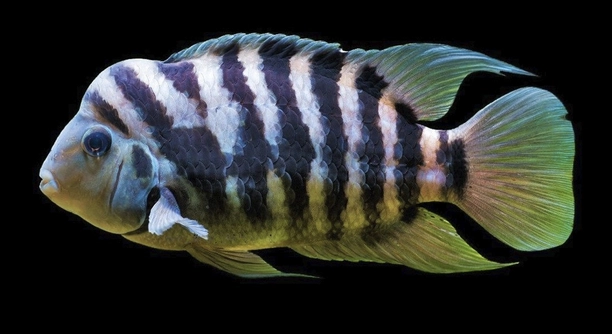
Are your cichlids acting differently lately or showing signs of distress? Watching fish can be rewarding, but noticing when they are unwell is important for their care. Recognizing early signals can make a difference in their health.
Cichlids show various signs before dying, including loss of appetite, erratic swimming, faded colors, labored breathing, clamped fins, lethargy, and unusual spots or wounds. Identifying these symptoms promptly can help in timely intervention or understanding the fish’s condition.
Knowing these signs helps you take better care of your cichlids and respond appropriately to their needs. This article explains the key indicators to watch for in a clear and simple way.
Loss of Appetite and Erratic Swimming
When a cichlid is about to die, one of the first signs is a noticeable loss of appetite. The fish may refuse to eat for several days or show little interest in food. This change often indicates internal stress or illness. Alongside this, erratic swimming behavior is common. The fish might dart around the tank unpredictably or seem disoriented, bumping into objects or floating near the surface or bottom. These actions suggest the fish is struggling to maintain balance or cope with discomfort.
Loss of appetite and strange swimming often appear together, signaling the fish’s declining condition.
Monitoring these behaviors is crucial because they are clear early warnings. Acting quickly by checking water quality, adjusting feeding habits, or consulting an aquatic specialist can sometimes prevent further decline. Recognizing these signs shows attentiveness to the fish’s well-being and helps manage health risks before they worsen.
Faded Colors and Labored Breathing
Faded colors can be a subtle but important sign that a cichlid is nearing death. The vibrant hues start dulling as the fish weakens.
Labored breathing follows, with the fish visibly struggling to get enough oxygen. This often results from poor water conditions or internal infections, making the fish appear to gasp at the surface or breathe rapidly. Watching for these symptoms helps identify serious health problems early and allows for timely intervention to improve water quality or provide medical treatment.
Clamped Fins and Lethargy
Clamped fins occur when a cichlid holds its fins close to its body instead of spreading them out. This is a clear sign of discomfort or illness. Lethargy means the fish moves very little and often rests at the bottom or in a corner.
Both clamped fins and lethargy indicate the fish is conserving energy due to stress or sickness. These signs often come with poor appetite or slow response to stimuli. Watching for these changes helps you notice worsening health before it becomes critical.
A lethargic fish with clamped fins usually needs immediate care, including checking water parameters and possibly isolating it for treatment. These symptoms show the fish is weak and struggling to cope with its environment or disease. Acting early may improve chances of recovery.
Unusual Spots or Wounds
Unusual spots or wounds on a cichlid’s body suggest infection or injury. These can appear as white patches, red sores, or ulcers. Such damage weakens the fish and can lead to death if untreated.
These signs often indicate bacterial, fungal, or parasitic infections that require prompt attention. Maintaining clean water and using proper medications can help heal the fish. Wounds also increase vulnerability to further infections.
If untreated, these spots worsen quickly. Regular observation and immediate action are key to preventing severe health decline. Addressing these issues early supports the fish’s immune system and recovery process.
Rapid Gill Movement
Rapid gill movement is a sign the cichlid is struggling to get enough oxygen. This can indicate poor water quality or disease affecting the fish’s ability to breathe normally.
It is important to check the tank’s oxygen levels and water parameters immediately when this symptom appears.
Isolation from Other Fish
When a cichlid isolates itself, swimming away from the group or hiding more than usual, it often means the fish is unwell. Isolation helps reduce stress but also signals declining health.
Observing this behavior early can guide timely care to improve the fish’s condition and environment.
Sudden Weight Loss
Sudden weight loss in cichlids shows the fish is not absorbing nutrients properly or is severely ill. This change usually accompanies other symptoms like loss of appetite or lethargy.
FAQ
What causes a cichlid to stop eating before it dies?
Loss of appetite in cichlids usually happens because of stress, illness, or poor water quality. When the environment changes or disease sets in, fish may stop eating as their body tries to cope. This is often one of the earliest signs something is wrong.
Can erratic swimming be reversed?
Erratic swimming can sometimes be improved if the cause is identified quickly. Poor water conditions, parasites, or sudden changes in temperature often cause this behavior. Fixing water quality, maintaining stable conditions, and treating infections can help the fish regain normal swimming.
Why do cichlids fade in color?
Faded colors often indicate illness or stress. Healthy cichlids show vibrant colors, so dullness means the fish is weak or fighting disease. Environmental factors like poor lighting or bad water also affect color.
Is labored breathing always a sign of death?
Not always. Labored breathing usually means the fish is struggling to get enough oxygen. This can be caused by dirty water, high ammonia levels, or disease. Improving tank conditions and treating infections can sometimes reverse this symptom.
What causes clamped fins in cichlids?
Clamped fins happen when fish feel unwell or stressed. It reduces energy loss and protects injured areas. Poor water quality, infections, or parasites often cause this behavior. Checking the tank and water parameters is important when fins are clamped.
Why does a cichlid become lethargic?
Lethargy shows the fish is weak or sick. It moves less to save energy and avoid danger. Causes include poor water conditions, lack of food, or illness. Proper care and treatment may restore normal activity.
What types of spots or wounds appear on dying cichlids?
Wounds can look like white patches, red sores, or ulcers. These are usually signs of bacterial or fungal infections. Parasites can also cause visible damage. Early treatment is important to prevent the spread of infection.
How can I prevent wounds or spots on my cichlid?
Maintaining clean water, avoiding overcrowding, and regular tank maintenance help prevent infections. Quarantining new fish before adding them reduces the risk of introducing diseases.
Why do cichlids isolate themselves before dying?
Isolation is a survival behavior to reduce stress or avoid predators. A sick fish may hide more or stay away from others to conserve energy and protect itself. This behavior signals the need for care or treatment.
Is sudden weight loss reversible?
Weight loss often means the fish is seriously ill. Reversing it depends on the cause and how quickly treatment begins. Improving diet, water quality, and treating disease can sometimes help a fish regain weight if caught early.
What immediate actions should I take if I notice these signs?
Test water parameters like ammonia, nitrite, nitrate, and pH first. Perform water changes if levels are off. Remove sick fish to a quarantine tank. Consult a vet or fish specialist for proper diagnosis and medication.
Can poor water quality alone cause these death signs?
Yes. Poor water quality is a common reason cichlids become sick or die. Ammonia spikes, high nitrites, or wrong pH create a toxic environment that weakens the fish and invites disease.
How often should I check my cichlid’s behavior and tank conditions?
Daily observation is best to catch early warning signs. Testing water weekly and after any changes helps keep the environment stable and safe.
Are some cichlid species more prone to dying suddenly?
Certain species may be more sensitive to water changes or stress, but most cichlids show warning signs before dying. Proper care reduces risks regardless of species.
Can improving diet help prevent these signs?
Yes. Providing balanced and varied food strengthens the immune system. Avoid overfeeding to keep water quality good.
Is it normal for cichlids to hide sometimes?
Yes, hiding is normal, especially during rest or after introduction to a new tank. But prolonged hiding or isolation may mean illness or stress.
When is it too late to save a dying cichlid?
If multiple severe symptoms appear and the fish does not respond to treatment, it may be too late. Early detection and care are key to improving survival chances.
What role does tank size play in cichlid health?
Small tanks can stress cichlids by limiting space and causing water quality problems. Providing enough space is essential for healthy behavior and reducing disease risk.
Can stress from other fish cause these signs?
Yes. Aggression or overcrowding causes stress, which weakens the immune system and leads to illness. Managing tank mates carefully helps prevent this.
How do I know if a cichlid is just sick or actually dying?
Sick fish often show early signs like loss of appetite and color changes. Dying fish display severe symptoms like extreme lethargy, refusal to eat, and physical damage. The progression and severity help distinguish the stages.
Is quarantine necessary for sick cichlids?
Quarantine helps prevent disease spread and allows focused treatment. It is recommended when illness is suspected.
What common mistakes lead to cichlid death?
Ignoring water quality, overfeeding, mixing incompatible species, and delayed treatment contribute to death. Regular maintenance and observation are essential for prevention.
Are there home remedies to improve a dying cichlid’s condition?
Improving water quality and maintaining stable temperature are helpful. However, medications prescribed by specialists are often needed for infections.
Can genetics affect a cichlid’s lifespan?
Genetics play a role in disease resistance and lifespan, but proper care is usually more important in preventing early death.
Final Thoughts
Taking care of cichlids requires attention to their behavior and environment. Watching for signs like loss of appetite, erratic swimming, or faded colors helps detect problems early. Early detection allows for quicker action, which can improve the chances of saving a fish. It is important to remember that many signs of illness or distress are the fish’s way of telling you something is wrong. Being observant and responsive is the best way to keep your cichlids healthy.
Maintaining good water quality is one of the most important steps in caring for cichlids. Regular testing and changes keep the tank clean and safe. Water that is too dirty or has harmful chemicals can quickly weaken fish and lead to illness or death. Feeding the fish a balanced diet also plays a key role in their health. Overfeeding or underfeeding can cause problems, so it is best to give the right amount and variety of food. Providing the right environment, including proper tank size and compatible tank mates, supports the overall well-being of cichlids.
Even with the best care, fish sometimes become sick or die. When this happens, it is helpful to review the signs and learn from the experience. Understanding the warning signs and acting early helps improve care for current and future fish. Taking steps like isolating sick fish and consulting with experts can also make a difference. Caring for cichlids takes patience and attention, but it can be rewarding to see them thrive in a healthy environment.

Hello,
If you enjoy the content that we create, please consider saying a "Thank You!" by leaving a tip.
Every little bit helps us continue crafting quality advice that supports the health, happiness, and well-being of pets around the world, for pets of all shapes, sizes, and species.
We really appreciate the kindness and support that you show us!