
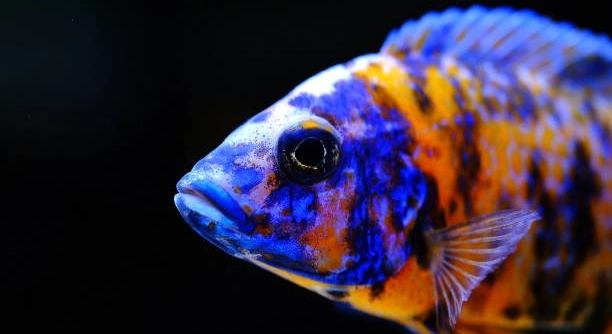
Are you noticing your cichlid flicking against objects in its tank? This behavior can be confusing and concerning for aquarium owners who want to keep their fish healthy and comfortable. Understanding what flicking means can help you respond appropriately.
Flicking in cichlids usually indicates irritation or stress, often caused by parasites, poor water quality, or aggressive tank mates. Treating it involves identifying the cause and addressing water conditions, parasite control, or adjusting the tank environment to reduce stress.
Knowing the causes and treatments of flicking can improve your cichlid’s health and overall tank harmony. This article will help you recognize the signs and take the right steps.
What Causes Flicking in Cichlids?
Flicking behavior in cichlids is often a sign of irritation or discomfort. One common cause is external parasites, such as ich or flukes, which attach to the fish’s skin and gills. Poor water quality also plays a major role; high ammonia, nitrite, or nitrate levels can stress fish, leading to flicking. Aggressive tank mates may provoke this behavior if the cichlid feels threatened or bullied. Sometimes flicking occurs when fish try to remove debris or algae from their bodies. If your tank is overcrowded or lacks hiding spots, stress levels can increase, resulting in flicking. It is important to regularly test the water parameters and observe fish interactions to identify the problem. Proper filtration, regular water changes, and maintaining a balanced environment will reduce flicking caused by stress and irritation.
Keeping water clean and the environment stable is key to preventing flicking and maintaining fish health.
Flicking may also indicate underlying infections or injuries. If the behavior persists despite water care, check for signs of wounds, redness, or swelling. Early treatment with anti-parasitic or antibacterial medications can stop the problem from worsening. Ensuring the tank has adequate space and appropriate tank mates helps reduce stress. Providing plants or decorations as hiding places can improve fish comfort. Observing your cichlid closely is essential to catch issues early and act before they affect its health severely.
How to Treat Flicking in Cichlids
Treating flicking requires identifying the cause and addressing it directly. If parasites are detected, appropriate medication like formalin or copper-based treatments should be used carefully according to instructions. Always isolate infected fish if possible to avoid spreading. For water quality issues, performing partial water changes and testing parameters frequently is necessary to stabilize conditions. Reducing ammonia, nitrites, and nitrates to safe levels will help the fish recover. If aggression is the issue, rearranging the tank layout or separating aggressive fish can prevent further stress. Adding hiding spots can also provide refuge for stressed cichlids.
Stress reduction is equally important in treatment. Avoid sudden changes in temperature or lighting. Maintain a consistent feeding routine to support immune health. If injuries or infections are present, consult a veterinarian or aquatic specialist for proper diagnosis and treatment options. Regular tank maintenance and monitoring are crucial to prevent flicking from recurring.
By addressing water quality, parasites, and tank dynamics, flicking can be controlled and fish health restored. Patience and attention to detail during treatment lead to better results.
Signs to Watch for When Your Cichlid is Flicking
Flicking often appears alongside other signs like scratching against objects, rapid gill movement, or loss of appetite. These symptoms indicate discomfort that should not be ignored. Early detection helps prevent serious health issues.
Besides flicking, look for physical changes such as white spots, redness, or swelling. Erratic swimming or hiding more than usual also suggests stress. Pay attention if the fish rubs against decorations repeatedly; this is a common response to parasites or skin irritation. Monitoring these signs regularly can help catch problems early before they escalate.
Behavioral changes can reveal much about your cichlid’s health. Reduced interaction or lethargy often accompanies flicking and points to an underlying condition. Recording these symptoms and sharing them with an aquatic specialist can improve diagnosis and treatment success. Keeping a close eye on your fish ensures timely care and a healthier tank environment.
Preventing Flicking Through Proper Tank Maintenance
Maintaining stable water conditions is essential for preventing flicking. Frequent testing and regular water changes keep ammonia and nitrate levels low. Clean filters and avoid overfeeding to reduce waste buildup.
Adding live plants or hiding places helps reduce stress by offering shelter. Avoid overcrowding and choose compatible tank mates to prevent aggression. A well-planned tank environment reduces triggers for flicking behavior. Consistency in lighting and temperature also supports fish health.
Routine observation helps identify early signs of problems. Prompt action on water quality or behavioral issues prevents flicking from becoming a chronic problem. Good tank care practices are the best defense against irritation and stress in cichlids.
Common Parasites That Cause Flicking
Parasites like ich and flukes are frequent causes of flicking in cichlids. These tiny organisms irritate the fish’s skin and gills, prompting flicking as the fish tries to remove them.
Early treatment is important to stop parasites from spreading and causing more damage. Identifying the specific parasite helps select the right medication and improves recovery chances.
How to Safely Medicate Your Cichlid
Using medications requires careful dosing and monitoring. Overdosing can harm fish and beneficial bacteria in the tank. Follow instructions precisely and remove activated carbon from filters during treatment to ensure medicine effectiveness.
Regular water changes during treatment help maintain water quality. Observe fish for any adverse reactions and be prepared to adjust the treatment if needed to keep your cichlid safe.
Adjusting Tank Environment to Reduce Stress
Reducing stress lowers flicking behavior. Provide plenty of hiding spots and avoid sudden changes in lighting or temperature. Keeping a calm, stable environment helps fish feel secure.
When to Consult a Professional
If flicking continues despite treatment and good tank care, seek advice from an aquatic veterinarian or specialist. Persistent symptoms may indicate a deeper health issue needing professional diagnosis.
FAQ
Why is my cichlid flicking against tank objects?
Flicking often means the fish is trying to relieve irritation. This can be caused by parasites, poor water quality, or even stress from other aggressive fish. The flicking is their way to scratch or shake off whatever is bothering them.
Can flicking harm my cichlid?
Flicking itself usually doesn’t cause harm, but it signals an underlying issue. If left untreated, the cause—like parasites or poor water conditions—can lead to infections or more serious health problems. It’s important to identify and fix the cause promptly.
How do I know if flicking is caused by parasites?
Parasites often cause additional symptoms like white spots, redness, or inflammation on the fish’s body. The fish may also scratch more frequently and show signs of lethargy. Testing the water and observing behavior closely helps confirm parasite presence.
What medications are safe for treating flicking caused by parasites?
Common treatments include formalin, copper-based medicines, and malachite green. Always follow dosing instructions carefully and avoid mixing treatments. Removing activated carbon during treatment ensures the medicine remains effective.
How often should I test my aquarium water?
Testing water once a week is a good routine. Check for ammonia, nitrites, nitrates, and pH levels. Keeping these parameters stable prevents stress and health issues that may cause flicking.
Can flicking be caused by aggression from other fish?
Yes, aggressive tank mates can stress cichlids, causing flicking behavior. If you notice chasing or biting, separating aggressive fish or rearranging the tank can reduce conflict.
What tank conditions help reduce flicking?
Stable water temperature, clean water, sufficient hiding places, and compatible tank mates all help reduce stress. Providing a calm environment keeps your cichlid comfortable and less likely to flick.
Should I isolate my flicking fish during treatment?
Isolating the fish can prevent parasite spread and reduce stress. Use a quarantine tank if possible, but ensure it matches the main tank’s temperature and water conditions to avoid additional shock.
How long does it take for flicking to stop after treatment?
If the cause is treated properly, flicking often decreases within a few days. Persistent flicking after treatment may mean further diagnosis is needed or treatment should be adjusted.
Is flicking normal behavior in cichlids?
Occasional flicking can be normal, especially when cleaning themselves. Frequent or intense flicking usually points to irritation or stress, which should be addressed to keep the fish healthy.
Can diet affect flicking behavior?
Poor diet weakens the immune system, making fish more vulnerable to parasites and stress. Providing a balanced diet supports overall health and may reduce flicking caused by illness or stress.
How do I improve my tank’s environment to prevent flicking?
Regular water changes, avoiding overcrowding, and adding plants or decorations for hiding spaces improve tank conditions. Maintaining consistent temperature and lighting also helps reduce stress-related flicking.
Is flicking related to molting or skin shedding?
Cichlids do not molt like some aquatic animals, so flicking is not related to skin shedding. It is more commonly caused by irritation, stress, or parasites.
What should I do if flicking is caused by water quality issues?
Perform partial water changes immediately and test water parameters. Adjust filtration if necessary and avoid overfeeding. Keeping water clean and stable will help reduce flicking.
Can flicking cause permanent damage to my cichlid?
Flicking itself doesn’t cause damage, but if the underlying cause is ignored, it may lead to infections, fin damage, or weakened health. Prompt treatment prevents lasting harm.
How do I know if flicking is due to an injury?
If flicking is paired with visible wounds, bleeding, or swelling, an injury may be the cause. Isolate the fish and treat wounds as recommended to prevent infection and further discomfort.
Final Thoughts
Flicking in cichlids is a common behavior that usually signals some form of irritation or stress. It is important to recognize that flicking itself is not the problem but rather a symptom of an underlying issue. Causes can vary from parasites and poor water quality to aggression or injury. Addressing these root causes quickly helps prevent more serious health complications. Paying close attention to your fish’s behavior and environment is key to maintaining their well-being.
Proper tank maintenance plays a major role in preventing flicking. Regular water testing, cleaning, and providing a stable environment reduce stress and lower the chance of infections. Ensuring that your cichlid has enough space, hiding spots, and peaceful tank mates also helps keep stress levels down. It is important to maintain consistent conditions in the aquarium, including temperature and lighting, as sudden changes can negatively affect fish health. A balanced diet supports the immune system and overall vitality, making the fish more resilient to irritation.
If flicking persists despite your efforts, seeking professional advice is recommended. An aquatic veterinarian or specialist can help identify less obvious health problems and suggest effective treatments. Timely action and careful observation will improve your cichlid’s quality of life. With patience and proper care, flicking can be managed successfully, ensuring a healthier and more comfortable home for your fish.

Hello,
If you enjoy the content that we create, please consider saying a "Thank You!" by leaving a tip.
Every little bit helps us continue crafting quality advice that supports the health, happiness, and well-being of pets around the world, for pets of all shapes, sizes, and species.
We really appreciate the kindness and support that you show us!