
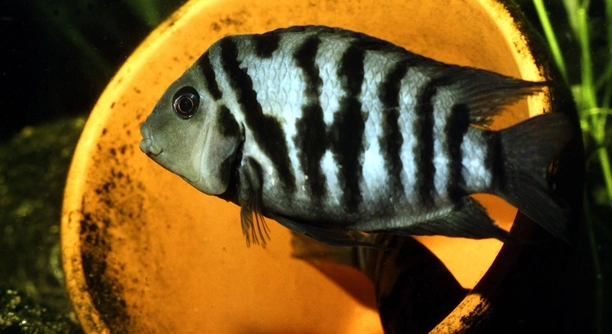
Choosing the right substrate for an African cichlid tank is important for creating a healthy environment. Different types of substrates affect water quality, fish behavior, and tank maintenance. Understanding these options can improve your aquarium setup.
Seven common substrate types are ranked based on factors such as compatibility with African cichlids, ease of cleaning, impact on water chemistry, and aesthetic appeal. Each substrate offers unique benefits and challenges that influence fish well-being and tank stability.
Knowing how each substrate type performs helps you make an informed decision for your aquarium. This guide will highlight key features to consider for the best tank conditions.
Sand Substrate
Sand is one of the most popular substrates for African cichlid tanks. It closely mimics the natural environment of many cichlid species, providing a soft surface for digging and breeding behaviors. Sand is gentle on the fish’s delicate barbels and fins, which helps reduce injuries. It is also easy to clean with a siphon, as waste tends to stay on the surface rather than sinking deep. However, sand can compact over time, limiting water flow and creating anaerobic spots if not stirred occasionally. Choosing the right grain size matters; fine sand can cause cloudiness, while coarser grains may be less comfortable for fish to sift through. Overall, sand is a safe and natural choice that supports healthy fish behavior and tank hygiene.
Sand offers a natural look and supports many cichlid behaviors, making it a preferred choice for many hobbyists.
Sand substrate combines aesthetic appeal with functionality, creating a tank environment that promotes fish health and natural activity. Its easy maintenance and gentle texture support both fish and aquarium cleanliness. Keeping sand stirred and free of debris ensures a healthy habitat over time.
Gravel Substrate
Gravel is a common substrate option that provides good water circulation and prevents compacting. It comes in various sizes and colors, which allows customization of the tank’s look. Gravel can trap waste beneath the surface, so regular cleaning is necessary to prevent buildup. It is durable and easy to maintain, but may not suit all cichlid species that prefer softer substrates for digging. Choosing smooth gravel is important to avoid harming fish. Gravel works well in tanks with plants or decorations, offering stability and visual contrast. It is a practical choice for aquarists focused on ease of maintenance without sacrificing appearance.
Crushed Coral Substrate
Crushed coral raises the pH and hardness of the water, which suits many African cichlids from alkaline lakes. It is durable and helps keep water stable but can be sharp, so it may injure delicate fish. Regular cleaning is needed to avoid waste buildup.
This substrate offers a natural environment similar to Lake Malawi and Lake Tanganyika. Its coarse texture allows good water flow and reduces compacting. The calcium carbonate content gradually dissolves, buffering water chemistry. However, crushed coral can alter conditions too much if the tank setup needs softer water. It’s best for tanks housing species adapted to hard, alkaline water.
Crushed coral also provides an interesting visual texture and reflects light nicely. It encourages digging but requires monitoring to prevent sharp edges from harming fish. Proper rinsing before use is important to reduce dust and debris.
Bare Bottom Tanks
Bare bottom tanks make cleaning the easiest by eliminating substrate entirely. Waste is visible and removed quickly, reducing the risk of poor water quality. This setup is often used in breeding or hospital tanks.
Without substrate, water circulation is improved and detritus does not accumulate in hidden spots. It allows for easy observation of fish health and behavior. However, it removes natural digging and hiding places, which may stress some cichlids. The tank can look less natural and bare.
Bare bottom tanks require more frequent water changes to keep conditions ideal. They work best in specialized setups where cleanliness and monitoring are the priorities over natural aesthetics and behavior. Adding flat rocks or decorations can help fish feel more secure in these tanks.
Pea Gravel Substrate
Pea gravel is small, smooth, and less sharp than crushed coral, making it safer for fish. It allows good water flow and helps prevent anaerobic spots in the tank.
It is easy to clean but can trap waste beneath its surface. Pea gravel offers a natural look without drastically changing water chemistry, suitable for many cichlid species.
Bare Bottom with Tiles
Using tiles in a bare bottom tank provides a solid surface for fish while maintaining easy cleaning. Tiles prevent substrate buildup and allow quick waste removal.
This method combines the benefits of bare bottom tanks with added structure for fish to explore and rest on, reducing stress without sacrificing maintenance ease.
Slate Substrate
Slate tiles or slabs provide flat surfaces that mimic rocky habitats favored by some cichlids. They do not alter water chemistry and are easy to clean.
Slate is durable, non-toxic, and creates natural hiding spots when stacked or arranged creatively, supporting fish behavior and tank aesthetics.
FAQ
What is the best substrate for African cichlids?
The best substrate depends on the species and tank conditions. Sand is widely preferred because it mimics natural habitats and supports digging behavior. Crushed coral works well for species needing alkaline, hard water. Gravel and pea gravel are good for tanks focused on easy cleaning and stable water flow. Bare bottom tanks offer simple maintenance but lack natural comfort for the fish.
Can substrate affect water chemistry?
Yes, substrate can significantly influence water parameters. Crushed coral and some gravel types increase hardness and pH by releasing minerals. Sand and slate usually have little to no effect on water chemistry, making them safer for sensitive species. Choosing the right substrate helps maintain stable conditions suited to African cichlids.
How often should I clean the substrate?
Cleaning frequency depends on substrate type and tank stocking. Sand and gravel need regular siphoning to remove waste on or under the surface. Crushed coral requires less frequent cleaning due to better water flow. Bare bottom tanks are easiest to keep clean but need frequent water changes. Monitoring water quality helps determine cleaning schedules.
Is sand better than gravel for cichlids?
Sand is often better because it’s soft, allowing cichlids to dig without injury. It also prevents waste from sinking too deep, easing cleaning. Gravel is coarser and can trap debris underneath, requiring more maintenance. However, gravel can be suitable if carefully chosen smooth and cleaned regularly.
Can cichlids live without substrate?
Yes, bare bottom tanks work but remove natural behaviors like digging and hiding. These tanks make cleaning easier and are often used for breeding or sick fish. Adding decorations or flat stones can help reduce stress in bare bottom setups.
What substrate is best for breeding African cichlids?
Sand or crushed coral is best for breeding because they support natural digging and nesting behaviors. These substrates provide soft, stable environments for eggs and fry. Avoid gravel or bare bottom tanks during breeding as they may not support these needs well.
Does substrate impact tank maintenance?
Substrate affects how much effort is needed to keep the tank clean. Fine sand and crushed coral allow easier waste removal from the surface. Gravel traps debris and needs thorough vacuuming. Bare bottom tanks require the least maintenance but may not suit all fish. Choosing substrate based on maintenance preference is important.
Can substrate harm African cichlids?
Sharp or rough substrates like unwashed crushed coral or large gravel can injure delicate fins and barbels. Using smooth sand or rounded gravel helps prevent damage. Proper rinsing before adding substrate removes dust and sharp particles that could harm fish.
Is it necessary to rinse substrate before use?
Rinsing is essential to remove dust, dirt, and small debris that cause cloudy water. Even pre-washed substrates benefit from a thorough rinse to ensure tank clarity and water quality. This step helps create a safe environment for cichlids from the start.
How does substrate choice affect tank aesthetics?
Substrate color and texture influence the overall look of the aquarium. Dark sand or gravel can highlight fish colors, while light substrates brighten the tank. Crushed coral offers a natural rocky appearance, and slate adds structure. Consider aesthetics alongside function when selecting substrate.
Choosing the right substrate for an African cichlid tank is a key step in creating a healthy and comfortable environment for your fish. Each substrate type has its strengths and weaknesses, depending on the species you keep and your maintenance preferences. Sand is often a reliable choice, as it resembles natural habitats and supports cichlid behaviors like digging. It is soft and easy to clean, making it safe for fish. Crushed coral suits tanks with alkaline water needs and offers durability, but it requires careful monitoring to avoid sharp edges and drastic changes in water chemistry. Gravel and pea gravel provide good water flow and aesthetic variety but may trap debris more easily, so regular cleaning is important. Bare bottom tanks simplify cleaning but reduce natural hiding and digging options for fish.
It is important to consider the impact substrate has on water quality and fish health. Substrates that raise pH and hardness can benefit cichlid species native to alkaline lakes, but they might not be suitable for all fish. Monitoring water parameters helps keep the tank stable and healthy. Maintenance plays a big role as well; some substrates need frequent cleaning to prevent waste buildup, while others allow easier waste removal. Deciding how much time and effort you want to dedicate to tank upkeep can help narrow down your substrate choice. Additionally, aesthetics should not be overlooked, since substrate color and texture contribute to the overall look and feel of your aquarium. Matching your substrate to your fish species’ natural environment can enhance their well-being and showcase their colors beautifully.
Overall, there is no one-size-fits-all substrate for African cichlids. The best choice depends on your specific fish, tank setup, and care routine. Taking the time to understand how each substrate affects water chemistry, fish behavior, and maintenance will lead to better results. Using natural options like sand or crushed coral often provides a healthy, balanced environment for these fish. Whatever substrate you pick, regular cleaning and monitoring are necessary to keep your cichlid tank thriving. Paying attention to these details ensures your aquarium stays a stable and enjoyable place for both the fish and yourself.

Hello,
If you enjoy the content that we create, please consider saying a "Thank You!" by leaving a tip.
Every little bit helps us continue crafting quality advice that supports the health, happiness, and well-being of pets around the world, for pets of all shapes, sizes, and species.
We really appreciate the kindness and support that you show us!