
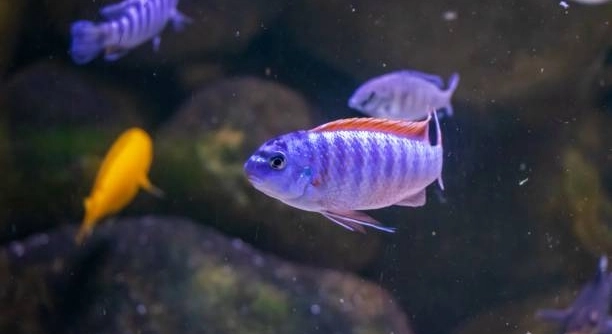
Choosing the right rocks for African cichlids is important for creating a healthy aquarium environment. These fish need specific conditions to thrive, and the rocks you select play a big role in their well-being. Understanding the best rock types will help you set up a proper habitat.
Selecting suitable rocks for African cichlids involves choosing materials that support their natural environment, maintain stable water chemistry, and provide hiding places. Rocks like limestone and dolomite are preferred due to their buffering capacity, which helps keep the water alkaline and safe for these fish.
Knowing how to pick the right rocks can improve your aquarium’s health and your fish’s happiness. This guide will help you make choices that benefit your cichlids for years to come.
Why Rock Type Matters for African Cichlids
Choosing the right rock type is crucial because it affects water chemistry and fish behavior. African cichlids come from lakes with hard, alkaline water, so the rocks in their tank need to mimic this environment. Using rocks that release calcium carbonate can help keep the water pH stable and suitable for these fish. Additionally, rocks provide hiding places and territories, which reduce aggression among cichlids. Avoid rocks that can alter water chemistry negatively or break down easily, as this can harm the fish or make tank maintenance difficult. Hard rocks like limestone and dolomite are good choices because they slowly release minerals that maintain the correct water conditions. Porous rocks also help with biological filtration by providing space for beneficial bacteria. Selecting the right rock will contribute to a balanced and healthy tank environment for your African cichlids.
Proper rock selection supports both water quality and fish comfort.
Understanding rock types helps you build a more natural and safer habitat for your cichlids, which can reduce stress and improve their lifespan.
Popular Rock Choices for African Cichlid Tanks
Limestone is one of the most popular choices because it naturally raises and stabilizes pH levels. Another good option is dolomite, which is similar in composition and also helps maintain alkalinity. Both types are durable and can create strong territorial boundaries. Some hobbyists use lava rock or volcanic rock for their porous nature, which encourages beneficial bacteria growth. However, these rocks do not affect water chemistry much, so they are best combined with buffering rocks like limestone. Avoid rocks that are soft or could leach harmful substances into the tank, such as shale or sandstone. It’s important to rinse all rocks thoroughly before placing them in the tank to remove dust and debris. Combining different types of rocks can create a more natural and stimulating environment for cichlids to explore and claim as their own territory.
Preparing Rocks Before Adding Them to Your Tank
Rocks must be cleaned thoroughly before use to avoid introducing harmful substances. This step helps protect your cichlids from sudden water quality changes.
Start by rinsing the rocks under running water to remove dirt and loose debris. Avoid using soap or chemicals, as residues can be toxic to fish. For stubborn dirt or algae, scrubbing with a stiff brush is effective. Boiling rocks for 10–15 minutes can also kill bacteria or parasites, but be cautious with porous rocks that might crack under high heat. After cleaning, soak the rocks in a bucket of water for a day to check for any discoloration or water cloudiness. This soaking also helps remove any remaining impurities. Dry the rocks fully before placing them in your aquarium to prevent clouding the water. Preparing your rocks carefully ensures a safer environment for your fish.
Proper preparation minimizes risks and promotes a stable tank environment.
Arranging Rocks to Support Cichlid Behavior
Proper rock placement creates territories and hiding spots, reducing stress and aggression. Grouping rocks into caves and crevices offers shelter and mimics the natural environment. Space between formations allows fish to swim freely and claim individual territories, which is essential for their well-being. Avoid overcrowding the tank, as it limits swimming space and can increase territorial disputes. Use heavier rocks as bases to build stable structures that won’t easily collapse, which could injure fish or damage the tank. Consider the height and accessibility of each formation so cichlids can establish dominance without feeling trapped. Thoughtful arrangement helps keep fish calm and active, improving their overall health and tank harmony.
Avoiding Harmful Rocks
Not all rocks are safe for African cichlids. Some can release toxins or change water chemistry in harmful ways.
Avoid rocks like sandstone, shale, and marble. These can dissolve or leach substances that lower water quality and stress your fish.
Testing Rocks for Safety
Before placing rocks in your aquarium, test their reaction to vinegar. Place a few drops on the rock’s surface. If it fizzes, the rock releases calcium carbonate, which is generally good for cichlids as it helps maintain alkaline water. If it reacts too strongly or crumbles, it’s best to avoid using that rock. This simple test helps ensure the rocks won’t harm your tank’s stability.
Using Rocks to Decorate Your Tank
Rocks create natural-looking spaces that suit cichlids’ behaviors and needs.
Regular Rock Maintenance
Keep rocks clean to avoid algae build-up and maintain water quality.
What types of rocks are best for African cichlids?
The best rocks for African cichlids are those that help maintain the water’s hardness and pH levels. Limestone and dolomite are top choices because they slowly release minerals that keep water alkaline. These rocks also provide good hiding places and create natural territories. Porous volcanic rocks can be used as well, but they don’t affect water chemistry much, so combining them with buffering rocks like limestone is recommended. Avoid soft or crumbly rocks that might degrade or release harmful substances.
How do I clean rocks before adding them to my aquarium?
Clean rocks thoroughly by rinsing them under running water. Use a stiff brush to scrub away dirt or algae, but avoid soap or chemicals, which can be toxic to fish. Boiling rocks for 10 to 15 minutes kills unwanted bacteria or parasites, but be careful with porous rocks that might crack. After cleaning, soak the rocks in a bucket of water for a day to check for discoloration or cloudiness. This process ensures your tank stays safe and water quality remains stable.
Can I use any rock from outside in my cichlid tank?
It’s risky to use random rocks from outside because they may contain harmful substances or pests. Some outdoor rocks can release toxins or affect water chemistry negatively. Always test rocks with vinegar first—if it fizzes, the rock contains calcium carbonate and is likely safe. If the rock crumbles or reacts strongly, it’s best to avoid it. When in doubt, buy rocks from aquarium stores to ensure safety and suitability.
Why is rock arrangement important for African cichlids?
Rock arrangement influences fish behavior by providing hiding spots and territory boundaries. African cichlids are territorial, and well-placed rocks reduce aggression by giving them personal spaces. Group rocks to create caves and crevices, allowing fish to feel secure. Make sure there’s enough open space for swimming and avoid overcrowding, which can cause stress. Stable structures built with heavier rocks prevent collapse and injuries.
How often should I clean or maintain the rocks in my tank?
Rocks should be cleaned regularly to prevent algae buildup and keep water quality high. Use a soft brush during water changes to remove algae and debris without disturbing beneficial bacteria. Avoid harsh cleaning agents. Inspect rocks periodically for cracks or wear. Consistent maintenance helps maintain a healthy environment for your cichlids.
Can rocks affect the water chemistry in my aquarium?
Yes, rocks like limestone and dolomite slowly release minerals that raise and stabilize pH and hardness, creating an ideal environment for African cichlids. Rocks that don’t interact with water chemistry, such as volcanic rock, mainly serve as decoration and hiding spots. Unsafe rocks can lower pH or release toxins, harming your fish, so choosing the right type is essential.
What should I avoid when selecting rocks for my tank?
Avoid soft rocks that dissolve easily or release harmful substances, such as sandstone, shale, and marble. Also, steer clear of rocks with sharp edges that can injure fish. Rocks that react strongly with vinegar tests or crumble under pressure are not suitable. Always clean and prepare rocks properly to avoid contaminating the tank.
Is it necessary to combine different types of rocks?
Combining different types of rocks can be beneficial. Buffering rocks like limestone maintain water chemistry, while porous volcanic rocks offer surfaces for beneficial bacteria. This combination supports water quality and creates a natural-looking environment. However, always ensure that all rocks are safe and won’t negatively impact the tank’s stability or the fish’s health.
How do rocks help reduce aggression in African cichlids?
Rocks provide territories and hiding spots, which reduce stress and aggression among cichlids. Each fish can claim its own area, minimizing fights over space. Complex rock structures create visual barriers that break lines of sight, making fish feel safer. Proper rock arrangement encourages natural behavior and keeps the tank peaceful.
Can I change the rocks after the tank is established?
Changing rocks after the tank is set up can disturb fish and alter water chemistry. If changes are necessary, remove rocks gradually and monitor water parameters closely. Introduce new rocks only after thorough cleaning and testing. Make sure the tank’s stability is maintained to avoid stressing your cichlids.
Choosing the right rocks for African cichlids is an important step in setting up a healthy and balanced aquarium. Rocks affect not only the tank’s appearance but also water chemistry and fish behavior. Selecting rocks that mimic the natural environment of these fish helps create stable conditions, which keeps your cichlids comfortable and reduces stress. Rocks like limestone and dolomite are often preferred because they slowly release minerals that maintain the water’s alkalinity. At the same time, rocks provide hiding places and territory boundaries, which are essential for these territorial fish.
Proper preparation and placement of rocks also play a key role in the well-being of your cichlids. Cleaning rocks thoroughly before adding them prevents unwanted dirt and harmful bacteria from entering the tank. It’s also important to arrange the rocks in a way that offers enough hiding spots and open swimming areas. This setup helps reduce aggression and allows each fish to establish its territory. Stable rock formations prevent accidents and protect your fish from injury. Regular maintenance of the rocks, such as removing algae buildup, supports a clean and healthy environment for the fish to thrive.
Avoiding rocks that can harm your tank or fish is just as important as choosing the right ones. Some rocks can alter water chemistry in ways that are harmful or toxic to African cichlids. Testing rocks before placing them in your tank can save you from future problems. Using safe and suitable rocks will keep water quality stable and create a natural habitat where your cichlids can live happily. With the right rocks and proper care, your aquarium will be a place where your African cichlids can grow, explore, and display their unique behaviors in a safe and healthy space.

Hello,
If you enjoy the content that we create, please consider saying a "Thank You!" by leaving a tip.
Every little bit helps us continue crafting quality advice that supports the health, happiness, and well-being of pets around the world, for pets of all shapes, sizes, and species.
We really appreciate the kindness and support that you show us!