
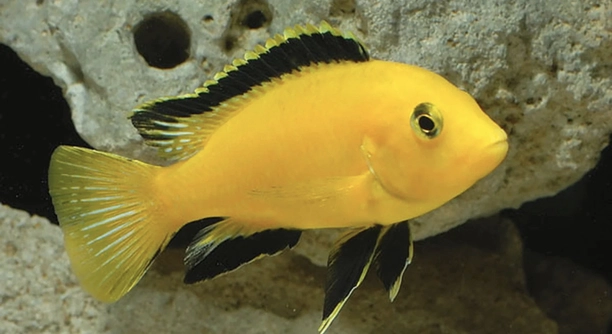
African cichlids are popular freshwater fish known for their vibrant colors and active behavior. These fish often live in environments with varying light levels, which makes understanding their vision important. Many aquarium enthusiasts wonder how well these fish see in low-light conditions.
African cichlids possess adaptations that allow them to see in dim or dark environments, though not complete darkness. Their eyes are equipped with specialized cells called rods, which enhance vision in low light, enabling them to navigate and hunt during twilight or murky waters.
Learning about their vision helps fishkeepers create better tank environments. Knowing how these fish perceive light can improve their care and overall well-being.
How African Cichlids Adapt Their Vision to Low Light
African cichlids have developed unique ways to see better in low-light environments. Their eyes contain a higher number of rod cells compared to cone cells. Rod cells are more sensitive to light and help the fish detect shapes and movement in dim settings. This adaptation is crucial for survival, especially in deeper or murky waters where light is limited. Some species also have a reflective layer behind their retina called the tapetum lucidum. This layer bounces light back through the retina, increasing the amount of light their eyes can use. This is similar to how cats’ eyes glow in the dark. These features help cichlids navigate, find food, and avoid predators when visibility is poor. However, their vision is not effective in total darkness; they still need some light to see.
Their vision adaptations let them be active at dawn, dusk, or in shaded areas. This flexibility helps them survive in changing environments.
These abilities also affect how you should light their aquarium. Bright lighting during the day paired with dimmer periods mimics their natural habitat and supports their vision needs. Proper lighting reduces stress and encourages natural behavior, making your fish more comfortable and healthy.
The Role of Tank Lighting in Cichlid Care
Lighting in an aquarium influences cichlids’ behavior and health. Bright lights can stress them, while too little light might limit their activity. Maintaining a balance helps replicate their natural conditions.
Using timers to simulate natural light cycles is effective. Aim for around 8 to 10 hours of moderate light daily. Dimmer lighting during the morning and evening hours benefits their low-light vision. Avoid sudden changes to prevent startling them. Observing your cichlids’ reactions can guide adjustments. If they hide constantly, the light may be too bright or the environment too unfamiliar.
Consistent lighting also supports their feeding schedule and breeding behavior. Proper illumination encourages feeding by making food visible and triggers natural reproductive cycles. Besides lighting, tank decor such as plants or rocks provides shaded areas where cichlids can retreat when they want less light. This combination of controlled lighting and environment ensures your cichlids stay healthy and active throughout the day.
How African Cichlids Use Their Other Senses
African cichlids rely on more than just vision to navigate their environment. Their sense of smell and lateral line system play important roles, especially in darker or murky waters. These senses help them detect food, avoid predators, and communicate with other fish.
The lateral line is a sensory organ that runs along the sides of cichlids. It detects water vibrations and movements, providing spatial awareness when vision is limited. This helps them react quickly to nearby threats or prey. Their strong sense of smell also guides them in finding food or recognizing other cichlids by chemical signals. Together, these senses compensate when vision is less effective. They create a more complete picture of the surroundings, allowing cichlids to thrive even in low-light conditions.
While vision adapts to low light, these additional senses ensure cichlids stay aware of their environment. This makes them highly capable in various conditions, from clear waters to shaded caves.
Tips to Improve Visibility for Your Cichlids
Lighting choices impact how well African cichlids see and behave in your tank. Using soft, diffused light is better than harsh, direct lighting. It reduces glare and shadows, helping fish feel comfortable. Consider adjustable LED lights with dimming options to mimic natural changes throughout the day.
Adding plants, rocks, or decorations can create natural shaded areas. This helps cichlids regulate their exposure to light and retreat when they want less brightness. Providing a balanced day-night cycle also supports their natural rhythms. Too much light can stress them, while too little might limit activity and feeding. Observing your fish regularly will help you find the right balance for your setup. This makes a healthier environment and encourages natural behavior in your cichlids.
Common Misconceptions About Cichlid Vision
Many believe African cichlids can see perfectly in complete darkness. In reality, they need some light to use their vision effectively. Their eyes are adapted for low light but not total darkness.
Another misconception is that all cichlids have the same visual abilities. Different species have varied adaptations depending on their natural habitats and lifestyles.
How Light Affects Cichlid Behavior
Light impacts cichlids’ activity levels and social interactions. Proper lighting encourages natural behaviors like exploring and feeding. Too bright or inconsistent light can cause stress, leading to hiding or aggression.
Maintaining a steady light cycle supports their well-being. Balanced lighting also influences their coloration, making their vibrant patterns more visible and enhancing their overall appearance.
Why Nighttime Conditions Matter
Nighttime provides essential rest for cichlids. Reduced light signals them to slow down and conserve energy. A dark or dim environment during night hours helps maintain their natural rhythms and supports healthy behavior.
Adjusting Aquarium Setup for Low Light
Creating shaded spots with plants or decorations can simulate their natural environment. This allows cichlids to retreat when they want less light, reducing stress and promoting comfort.
FAQ
Can African cichlids see in total darkness?
African cichlids cannot see in complete darkness. Their eyes are adapted to low light conditions, but they still need some light to detect shapes and movement. Without any light, their vision becomes ineffective, and they rely more on other senses like their lateral line and sense of smell.
How do African cichlids’ eyes differ from other fish?
Cichlids have a higher number of rod cells, which are specialized for low-light vision. Some species also possess a reflective layer behind the retina called the tapetum lucidum, which enhances their ability to see in dim environments. These features are not common in all fish and help cichlids adapt to varied light levels.
Do all African cichlids have the same vision capabilities?
No, vision varies among cichlid species depending on their habitat. Fish living in clearer, well-lit waters tend to have better color vision, while those from deeper or murky environments rely more on rods for low-light vision. Adaptations are tailored to the light conditions where each species evolved.
How important is tank lighting for African cichlids?
Tank lighting is very important. Proper lighting supports their natural behaviors, reduces stress, and improves their health. Using soft, adjustable lighting that mimics natural light cycles benefits their vision and overall well-being. Too bright or inconsistent lighting can cause hiding or aggression.
Can poor lighting harm African cichlids?
Yes, poor lighting can cause stress and disrupt their natural rhythms. Overly bright light may make cichlids hide or become aggressive, while too little light can reduce their activity and feeding. Balanced lighting and shaded areas in the tank help maintain comfort and health.
What other senses do African cichlids use in low light?
Besides vision, cichlids use their lateral line system to detect water vibrations and movements. They also rely on their sense of smell to find food and communicate chemically with other fish. These senses are especially helpful when light is limited.
Does tank decoration affect their vision or comfort?
Yes, adding plants, rocks, and other decorations creates shaded areas, reducing stress and giving cichlids places to retreat. This simulates their natural environment, helping them manage light exposure and feel secure.
How can I tell if the lighting is right for my cichlids?
Observe your fish’s behavior. If they are active, feeding well, and showing natural colors, the lighting is likely suitable. If they hide frequently, show signs of stress, or become aggressive, the light might be too bright or inconsistent. Adjust lighting accordingly.
Should I use a timer for aquarium lights?
Using a timer is recommended. It helps maintain a consistent day-night cycle, which supports cichlids’ natural rhythms. A regular light schedule encourages normal activity patterns and reduces stress.
Can African cichlids see color in low light?
Cichlids have good color vision in bright light, but in low light, color perception decreases. Their eyes shift focus to detecting shapes and movement rather than colors. This helps them navigate when light is dim but makes colors less vivid.
Do African cichlids need complete darkness at night?
They benefit from reduced light or darkness at night to rest and conserve energy. Constant bright lighting can disrupt their natural cycle and cause stress. Providing dark or dim conditions during night hours supports their health.
Is it better to have natural sunlight or artificial light in their tank?
Artificial light is generally better for controlling intensity and timing. Natural sunlight can be too strong, cause temperature fluctuations, and promote algae growth. Adjustable LED lighting allows precise control of the environment to match cichlids’ needs.
Can African cichlids see through murky or cloudy water?
Their vision in murky water is limited but better than some fish. Their low-light adaptations help them detect movement and shapes despite reduced visibility. However, very cloudy water reduces their ability to see, so keeping water clear is important.
How does their vision affect feeding habits?
In low light, cichlids rely more on movement and smell to locate food. Bright lighting helps them see food clearly but should not be so strong that it causes stress. Feeding during moderate light periods ensures they can find food easily.
Are some cichlids more nocturnal due to their vision?
Some species are more active at dawn or dusk when light is low but not absent. Their vision supports activity in these times, but most African cichlids are not fully nocturnal. They depend on some light to navigate and feed effectively.
Does stress from poor lighting affect their colors?
Yes, stress from unsuitable lighting can dull cichlids’ vibrant colors. Proper lighting enhances their natural patterns and brightness, which is a sign of good health and comfort in the tank.
African cichlids have interesting vision adaptations that help them live in various light conditions. While they cannot see in complete darkness, their eyes are designed to perform well in low-light environments. This allows them to move around, find food, and avoid danger when light is limited, such as during dawn, dusk, or in shaded parts of their habitat. Their vision is supported by other senses like smell and the lateral line, which detect movement and chemical signals. Together, these adaptations help cichlids thrive in places where light is not always strong or consistent.
Proper lighting is an important part of caring for African cichlids in an aquarium. It is best to provide a balanced light cycle that mimics their natural environment, including periods of moderate light and dimmer times. Too much bright light can cause stress, leading fish to hide or act aggressively. On the other hand, very low light or constant darkness can reduce their activity and affect feeding. Adding decorations like plants and rocks creates shaded areas, which gives cichlids places to retreat and feel safe. Adjusting lighting carefully and observing their behavior will help create a comfortable tank environment where the fish can stay healthy and active.
Understanding how African cichlids see and respond to light helps in making better care decisions. Their vision alone does not tell the whole story, but combined with their other senses, it explains much of their behavior. Maintaining good water clarity, proper lighting, and natural-like tank conditions supports their vision and overall well-being. By paying attention to these details, you can create a space where African cichlids are less stressed and more likely to show their beautiful colors and natural behaviors. This careful approach benefits both the fish and the experience of keeping them.

Hello,
If you enjoy the content that we create, please consider saying a "Thank You!" by leaving a tip.
Every little bit helps us continue crafting quality advice that supports the health, happiness, and well-being of pets around the world, for pets of all shapes, sizes, and species.
We really appreciate the kindness and support that you show us!