
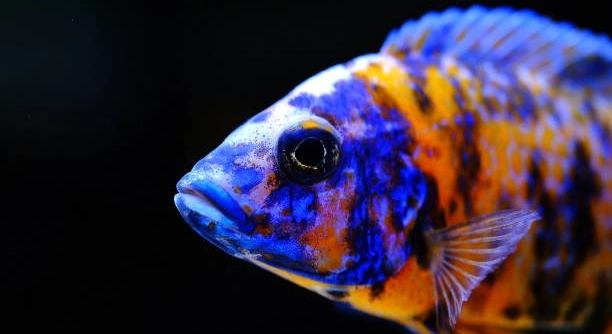
African cichlids are popular aquarium fish known for their vibrant colors and lively behavior. Many owners enjoy watching them explore, but their digging habits can disturb the gravel and plants. Managing this digging can improve both the tank’s appearance and fish health.
The key to stopping African cichlids from digging gravel lies in understanding their natural behavior and providing suitable tank conditions. Offering a balanced diet, ensuring proper tank size, and adding hiding spots can reduce digging tendencies and promote a healthier environment.
Controlling this behavior will create a more stable tank for your fish. Learning effective methods helps keep both the gravel and cichlids safe and comfortable.
Understanding Why African Cichlids Dig Gravel
African cichlids dig gravel as part of their natural behavior. In the wild, they use digging to search for food, build nests, or create territory. This instinct often continues in home aquariums, even when they have enough food. Their digging can move gravel around and sometimes uproot plants, which can be frustrating for tank owners. It helps to recognize that this behavior is not due to stress or poor care but is normal for these fish. By understanding why they dig, you can make changes to the tank environment to reduce it. Creating spaces with loose substrate and hiding areas allows them to express natural behaviors safely. Also, offering a varied diet can reduce the need to dig for food. Watching their behavior closely will help you see when they are digging out of instinct and when it might mean something else, like discomfort or boredom.
Managing the tank setup to fit their natural needs can minimize gravel digging without causing harm.
Reducing digging starts with recognizing the reasons behind it. Adjusting tank conditions and diet can make a big difference.
Providing the Right Tank Environment
African cichlids need a tank environment that mimics their natural habitat to feel comfortable and less prone to digging. Keeping the tank size appropriate for the number of fish is important; overcrowding can increase digging as fish compete for space. Using sand or fine gravel as substrate is often better than coarse gravel because it is easier for cichlids to move around. Adding plenty of rocks, caves, and plants gives them places to hide and establish territory. These hiding spots reduce stress and help prevent constant digging. It’s also helpful to avoid sharp or rough gravel that can hurt their mouths while digging. Regular maintenance, such as cleaning and checking water quality, ensures the fish stay healthy and less likely to dig excessively out of discomfort.
In short, a well-planned tank setup that suits their natural preferences keeps African cichlids happy and reduces unwanted digging.
Tank decorations, substrate choice, and fish numbers all influence digging behavior. Careful planning and maintenance can control it effectively.
Feeding to Reduce Digging
Feeding African cichlids the right diet helps limit their digging behavior. A balanced diet with enough nutrients keeps them from searching the gravel for food.
High-quality pellets or flakes designed for cichlids provide essential vitamins and minerals. Supplement their diet with occasional live or frozen foods like brine shrimp or bloodworms to add variety. Avoid overfeeding, as leftover food can cause water quality issues and encourage digging. Feeding smaller amounts more frequently can keep them satisfied throughout the day, reducing the urge to dig. Monitoring their eating habits helps you adjust portions and food types accordingly.
Proper feeding not only supports their health but also keeps them from disturbing the tank substrate. A consistent and varied diet reduces boredom, which can otherwise increase digging as a form of activity.
Using Tank Decorations to Distract Digging
Adding decorations can divert cichlids’ attention from digging gravel. Rocks, caves, and driftwood provide hiding places and stimulate natural behaviors.
Strategically placed decorations create boundaries and reduce open areas where cichlids tend to dig. Decorations that mimic their natural habitat help them feel secure and less likely to move gravel. Plants, either live or artificial, also serve as barriers and reduce digging near the substrate. Changing decorations occasionally can maintain their interest and keep them occupied. Care should be taken not to overcrowd the tank, allowing enough swimming space while providing plenty of hiding spots. This balance keeps the fish active and mentally stimulated, reducing destructive digging behaviors.
Using decorations thoughtfully improves the tank environment and limits gravel disturbance. It supports the fish’s instincts in a controlled way, making the aquarium look better and function smoother.
Choosing the Right Gravel
Selecting the proper gravel helps reduce digging damage. Fine sand or small, smooth gravel is easier for cichlids to move without harming themselves.
Avoid sharp or large gravel pieces, which can injure their mouths. Lighter-colored substrates may also discourage excessive digging since dark gravel tends to attract more activity.
Regular Tank Maintenance
Keeping the tank clean and water balanced lowers stress that can increase digging. Regular water changes remove waste and toxins that upset fish.
Monitoring water parameters like pH, ammonia, and nitrite ensures a healthy environment. Clean filters and remove uneaten food promptly. A stable, clean tank helps cichlids feel secure and less likely to dig excessively.
Behavioral Enrichment
Providing stimulation, like rearranging decorations or adding new plants, keeps fish engaged. This reduces boredom-driven digging and supports their natural curiosity.
FAQ
Why do African cichlids dig gravel so much?
African cichlids dig gravel mainly because it is a natural behavior. In the wild, digging helps them find food, create nests, and mark their territory. Even in aquariums where food is provided, they keep digging out of instinct. This behavior also helps them reduce boredom and stress by staying active.
Can digging damage my aquarium plants or decorations?
Yes, digging can uproot plants and move decorations around. If plants have shallow roots, they might get disturbed easily, causing them to die or float away. Decorations can also shift, which might stress the fish or cause injury. Choosing heavier decorations and securely planting roots can help reduce this problem.
Will changing the gravel stop digging completely?
Changing to finer, smoother gravel or sand can reduce digging because it is easier for fish to move and less likely to cause damage. However, digging won’t stop completely since it is a natural behavior. Adjusting the substrate is just one way to manage the habit, not eliminate it fully.
How often should I feed my cichlids to reduce digging?
Feeding smaller amounts two to three times a day usually works well. This keeps the fish satisfied without leaving too much uneaten food that can pollute the tank. A consistent feeding schedule helps reduce the need for fish to search for food by digging.
Are live plants a good option for cichlid tanks?
Live plants can be tricky because cichlids may uproot them while digging. Choosing sturdy plants with strong roots or placing plants in pots inside the tank can help protect them. Some hardy plants like Java fern or Anubias tend to survive better in cichlid tanks.
Can tank decorations help stop digging?
Decorations provide hiding places and boundaries, which can reduce digging by giving fish places to explore and claim. Rocks, caves, and driftwood help mimic the natural habitat and distract fish from constantly digging the substrate.
Is digging a sign of poor water quality?
Digging is usually normal behavior, but excessive digging can indicate stress caused by poor water quality. If water parameters are off, fish may dig more as a reaction. Regular testing and maintenance keep water clean, reducing stress and unwanted digging.
Can I train my cichlids to stop digging?
Training fish like cichlids is limited since digging is instinctive. However, providing enough environmental enrichment, proper diet, and hiding spots can reduce the frequency and intensity of digging. Redirecting their energy with tank decorations and stimulation is more effective than trying to stop digging completely.
Does the size of the tank affect digging?
Yes, tank size matters. Overcrowded tanks cause stress and competition, which can increase digging as fish try to create territory. A spacious tank with enough room for all fish helps lower stress and the need to dig aggressively.
Are there specific cichlid species that dig less?
Some cichlid species dig less than others. For example, mbuna cichlids are known for heavy digging, while species like peacock cichlids tend to dig less. Knowing your species’ habits helps set expectations and care plans.
What should I do if my cichlids damage the tank decorations?
If decorations get damaged or moved often, try heavier or secured items that can’t be easily shifted. You can also rearrange the tank to minimize open areas that invite digging. Regularly checking and fixing any damage helps keep the tank safe and stable.
How important is water flow in preventing digging?
Proper water flow helps maintain oxygen levels and cleanliness, indirectly reducing stress that can cause digging. Too strong a current might increase digging as fish try to create calm areas. Finding the right balance keeps fish comfortable and reduces unnecessary digging behavior.
African cichlids are active and lively fish that naturally dig in their tank gravel. This behavior is part of their instincts and helps them feel comfortable in their environment. While digging can sometimes be frustrating because it moves gravel and plants around, it is important to remember that it is normal for these fish. Understanding why they dig and how to manage it can make keeping African cichlids easier and more enjoyable. By adjusting their tank environment and care routine, you can reduce digging without causing harm or stress to the fish.
Creating a suitable tank environment plays a big role in controlling digging. Using fine gravel or sand as the tank substrate makes it easier for cichlids to dig without damage. Adding decorations like rocks, caves, and plants gives them places to hide and explore, which helps limit excessive digging. Feeding the fish a balanced diet also reduces their need to search for food in the gravel. Regular tank maintenance, including water changes and cleaning, keeps the fish healthy and less likely to dig from stress. Each of these small changes helps improve both the tank’s look and the fish’s well-being.
It is important to have patience when working with African cichlids and their digging habits. The behavior may never fully stop because it is natural for them, but it can be managed to minimize disruption. By observing your fish closely and adjusting tank conditions as needed, you create a better home for them. Keeping their environment stable and interesting makes them happier and healthier over time. With care and attention, you can enjoy watching your colorful cichlids thrive while keeping your aquarium neat and balanced.

Hello,
If you enjoy the content that we create, please consider saying a "Thank You!" by leaving a tip.
Every little bit helps us continue crafting quality advice that supports the health, happiness, and well-being of pets around the world, for pets of all shapes, sizes, and species.
We really appreciate the kindness and support that you show us!