
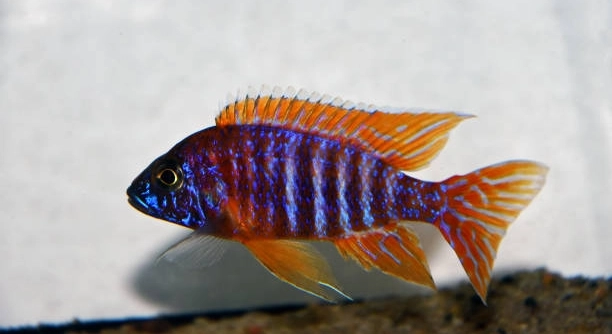
African cichlids are popular freshwater fish admired for their vibrant colors and active behavior. Many fishkeepers wonder about the best water conditions for these species, especially when using tap water from their homes. Proper water care is key to keeping cichlids healthy and thriving.
African cichlids can live in tap water, provided the water’s pH, hardness, and chlorine levels are properly adjusted. Untreated tap water often contains chemicals or has unsuitable parameters that can harm these fish, so conditioning and monitoring are essential.
Knowing how to prepare tap water correctly will help your cichlids stay healthy and active. This article explains the steps needed to make tap water safe for them and highlights important care tips.
Why Tap Water Needs Treatment for African Cichlids
Tap water often contains chlorine or chloramine, which are added to kill harmful bacteria but can be deadly to fish. These chemicals damage fish gills and stress their immune systems, making it necessary to treat tap water before use. Besides chemicals, tap water may have a pH level or hardness that doesn’t suit African cichlids, which prefer slightly alkaline, moderately hard water. Testing your water is important to understand what adjustments are needed. Using a water conditioner removes chlorine and chloramine quickly, making the water safe. Sometimes, additional buffering agents are required to balance pH and hardness. If these factors are not controlled, your cichlids can develop health problems or become stressed. Treating tap water properly helps create a stable environment similar to their natural habitat, which improves their well-being and lifespan.
Water testing kits and conditioners are affordable and widely available at pet stores or online. Using them ensures your fish thrive in tap water safely.
Maintaining the right water parameters is an ongoing task. Regular testing and partial water changes prevent toxic buildup and sudden changes. Keeping pH stable between 7.8 and 8.6 and hardness around 10 to 20 dGH helps mimic the cichlids’ native conditions. Using natural decor like rocks and sand can support this stability. Consistency in water quality is key to preventing stress-related diseases. With care and attention, tap water can be adapted to support healthy African cichlids for years to come.
Common Issues When Using Tap Water for Cichlids
Tap water can sometimes have heavy metals like copper or lead, which are harmful to fish. Even after conditioning, these metals may remain in small amounts and build up over time.
Heavy metals enter water from old pipes or environmental pollution. They cause poisoning symptoms such as lethargy, loss of appetite, or abnormal swimming. Using a high-quality water conditioner can neutralize many heavy metals, but it is also wise to test water regularly, especially in older homes or areas with known water issues. Filters designed to remove metals offer extra protection. If problems persist, using reverse osmosis water mixed with tap water can reduce metal content. Monitoring fish behavior and water quality is important to catch issues early. Clean, safe water supports healthier, longer-lived cichlids and reduces the chance of costly health problems.
Adjusting pH and Hardness in Tap Water
African cichlids prefer alkaline water with a pH between 7.8 and 8.6. Tap water may not always fall within this range, so adjustments might be necessary. Hardness is also important, ideally between 10 and 20 dGH.
To raise pH and hardness, crushed coral or limestone can be added to the filter or substrate. Baking soda is another option to increase alkalinity quickly but should be used cautiously. For lowering pH, peat moss or commercial pH reducers can help, but sudden changes can stress fish. Testing water daily during adjustments helps avoid drastic swings.
Hardness affects fish metabolism and breeding. Soft water can weaken cichlids, making them prone to disease. Using mineral supplements can maintain proper hardness. Regularly checking these levels ensures stable conditions, which is better than frequent adjustments. Consistency keeps your fish comfortable and thriving.
Importance of Dechlorinating Tap Water
Chlorine and chloramine are commonly found in tap water as disinfectants but are toxic to fish. Removing these chemicals is essential before adding tap water to the aquarium. Using water conditioners specifically designed to neutralize chlorine and chloramine makes tap water safe quickly and effectively.
Simply letting water sit out does not remove chloramine, which is more stable than chlorine. Dechlorination products break down these compounds immediately. Using treated water prevents gill damage and stress in cichlids, which can lead to illness. Regular treatment during water changes is necessary to maintain a healthy environment. Testing kits can confirm that chlorine levels are safe for your fish, providing peace of mind.
Using Filters to Improve Tap Water Quality
Filters help remove impurities and harmful substances from tap water. They can reduce heavy metals, chlorine residues, and organic waste that stress African cichlids. Choosing the right filter media is important for water quality and fish health.
Regular filter maintenance is necessary to keep it working effectively. Clean or replace filter cartridges according to the manufacturer’s instructions to avoid buildup that can degrade water quality.
Temperature and Its Role in Tap Water
African cichlids thrive in water temperatures between 75°F and 82°F. Tap water temperature can fluctuate seasonally or during water changes, which may stress your fish if too sudden.
Maintaining a stable temperature with a reliable aquarium heater prevents shock and supports healthy metabolism. Avoid placing tanks near drafts or direct sunlight, which cause temperature swings. Consistency in temperature supports fish immune systems and behavior.
Signs Tap Water is Not Suitable
Cloudy water, unusual fish behavior, or sudden fish deaths may indicate tap water problems. These signs often point to chemical imbalances or toxins that harm your cichlids.
Regular water testing and proper treatment help prevent these issues, ensuring a safe environment for your fish.
FAQ
Can I use tap water directly without any treatment for my African cichlids?
Using tap water directly without treatment is not recommended. Tap water usually contains chlorine, chloramine, or other chemicals harmful to fish. It may also have an unsuitable pH or hardness level. These factors can cause stress, illness, or even death in African cichlids. Always treat tap water with a water conditioner to neutralize chemicals and test the water to ensure parameters are within safe ranges before adding it to your aquarium.
How often should I test my tap water for aquarium use?
It’s best to test tap water before every water change. Testing helps identify any changes in pH, hardness, or harmful chemicals that might affect your cichlids. Regular monitoring ensures adjustments can be made before water quality causes problems. Testing kits for pH, ammonia, nitrite, nitrate, and hardness are affordable and easy to use. Keeping a simple log of your results can help spot patterns and make caring for your fish easier.
What water conditioner should I use for tap water?
Choose a water conditioner that removes chlorine and chloramine, as these are the most common disinfectants in tap water. Some conditioners also detoxify heavy metals, which can be beneficial if your water source contains these. Popular brands often provide clear instructions and dose recommendations. Using the right amount of conditioner is important—too little won’t fully protect your fish, and overdosing can cause other water chemistry problems.
Is it okay to use bottled or filtered water instead of tap water?
Bottled or filtered water can be used, but it’s important to check the water’s chemistry first. Many bottled waters are too soft or acidic for African cichlids. Filtering tap water through reverse osmosis (RO) units can remove unwanted minerals, but pure RO water usually needs to be re-mineralized to provide proper hardness and pH. Using bottled or filtered water without adjustment may lead to poor fish health over time.
How do I adjust pH and hardness safely?
Adjust pH and hardness gradually to avoid stressing your cichlids. Crushed coral, limestone, or commercial buffers can raise pH and hardness. To lower pH, peat moss or specialized products can be used carefully. Always test water daily during changes and make small adjustments over several days. Sudden shifts in water chemistry can cause fish stress or shock, making them vulnerable to disease.
Can tap water cause diseases in African cichlids?
Poor tap water quality can contribute to disease by weakening fish immune systems. Chlorine, chloramine, and heavy metals are toxic and damage fish gills. Unstable pH or hardness causes stress, making fish more prone to infections. Using untreated tap water increases risks of illnesses like fin rot, ich, and bacterial infections. Proper water treatment and regular monitoring reduce these risks significantly.
What are the signs my tap water is harming my cichlids?
Signs include gasping at the surface, lethargy, loss of appetite, unusual swimming patterns, or sudden deaths. Cloudy or smelly water can also indicate water quality issues. If you notice these signs, test your water immediately and check for chlorine, ammonia, nitrite, and nitrate levels. Addressing water problems quickly improves your fish’s chances of recovery.
Can I use tap water for breeding African cichlids?
Yes, but water conditions must be carefully controlled. Breeding cichlids require stable pH, hardness, and temperature to encourage spawning and healthy fry development. Untreated tap water can cause poor breeding success or harm fry. Conditioning tap water and maintaining consistent parameters create an environment suitable for breeding. Frequent small water changes with treated water help keep conditions ideal during breeding.
How important is water temperature control when using tap water?
Water temperature is very important. Sudden temperature changes when adding new tap water can shock cichlids. Always match new water temperature to the aquarium’s temperature before adding it. Use a reliable heater and thermometer to maintain stable temperatures between 75°F and 82°F. Stable temperatures support metabolism, immune function, and behavior, reducing stress.
What if my tap water has a bad smell or unusual color?
Bad smell or discoloration may indicate contamination or pipe issues. Even after conditioning, such water may be unsafe for your fish. Test for pollutants or metals and consider using filtered or bottled water if problems persist. Reporting water quality issues to local authorities can help resolve underlying problems. Avoid using water with strong odors or unusual colors until the cause is identified and treated.
If you have more questions about caring for African cichlids or tap water use, I’m here to help. Proper water management is key to keeping your fish healthy and vibrant.
African cichlids are beautiful and lively fish that many people enjoy keeping in their home aquariums. Using tap water for them is common, but it requires some care to make sure the water is safe. Tap water often contains chemicals like chlorine or chloramine, which can harm fish if not treated properly. It also might have the wrong pH or hardness level for African cichlids. Knowing how to test and adjust these factors helps create a good environment for the fish to live happily.
Treating tap water is not difficult. Using a water conditioner to remove chlorine and chloramine is the first and most important step. Testing kits are useful tools to check pH, hardness, and other important water parameters. Adjusting pH and hardness can be done with simple natural materials like crushed coral or commercial products designed for aquarium use. Regularly testing and maintaining water quality will prevent many health problems that cichlids might face. Keeping the water stable and safe is better than trying to fix problems after they appear.
In the end, tap water can work well for African cichlids if you take the time to prepare it properly. It is important to watch your fish closely for any signs of stress or illness and keep the aquarium clean. Temperature control and proper filtration also play key roles in the overall health of the fish. With some basic care and attention, you can enjoy watching your African cichlids thrive in tap water that has been treated and adjusted to their needs. This makes caring for these colorful fish easier and more rewarding.

Hello,
If you enjoy the content that we create, please consider saying a "Thank You!" by leaving a tip.
Every little bit helps us continue crafting quality advice that supports the health, happiness, and well-being of pets around the world, for pets of all shapes, sizes, and species.
We really appreciate the kindness and support that you show us!