
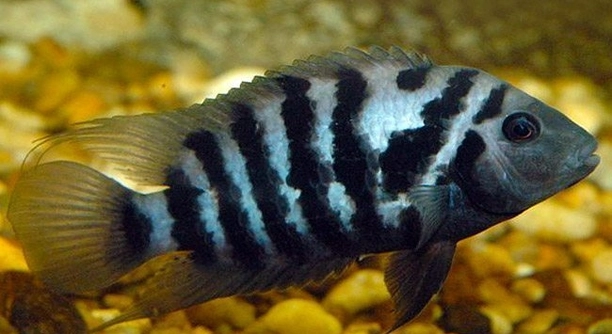
African cichlids are colorful and lively fish popular among aquarium enthusiasts. However, their aggressive behavior toward tank mates can sometimes surprise new and experienced hobbyists alike. Understanding why these attacks happen is important for a peaceful aquarium.
African cichlids attack their tank mates mainly due to territorial instincts, competition for food, stress, breeding behavior, overcrowding, lack of hiding spaces, and dominance hierarchy. These factors trigger aggression to establish control and protect resources.
Knowing these reasons helps you create a better environment for your fish and reduce conflicts in your aquarium. Managing these factors can lead to a more balanced and calm community tank.
Territorial Instincts
African cichlids are naturally territorial fish. In the wild, they defend specific areas where they find food and shelter. When kept in a tank, this instinct remains strong. They often see other fish as intruders and try to chase them away. This behavior can lead to frequent attacks on tank mates. Larger or more dominant cichlids tend to claim the best spots near rocks or plants. Smaller or weaker fish may be pushed aside or even harmed. It’s important to provide enough space and hiding places to reduce these conflicts. Without enough room, cichlids feel threatened and act aggressively to protect their space.
Territorial aggression is one of the main reasons cichlids attack other fish. It is a natural response to protect their living area.
Creating distinct zones within the tank by using decorations and plants can help. This way, each fish has its own space, reducing fights and stress. Observing how your fish behave can guide you in arranging the tank better.
Competition for Food
Cichlids are competitive feeders. They want to be sure they get enough to eat. When food is limited or unevenly distributed, fights often break out. Some cichlids are fast eaters and chase others away. Slower or shy fish may miss out on meals, which can cause health problems. Feeding your fish small amounts multiple times a day can help. Using feeding rings or spreading food across the tank can also reduce competition. Providing a balanced diet keeps all fish healthy and less likely to fight over food. Watching feeding time closely helps you notice any aggressive behavior early on and act accordingly.
Stress and Overcrowding
Stress causes cichlids to become aggressive. When tanks are overcrowded, fish feel threatened and fight more often. Stress weakens their immune systems, making attacks more common.
Overcrowding limits space, increasing competition for territory and food. Fish don’t have enough room to escape or hide, which raises tension. Stress can come from poor water quality, sudden changes, or incompatible tank mates. Keeping the tank clean and not overstocking helps lower stress levels. Adding plants and hiding spots gives fish places to retreat and calm down. Observing your fish regularly can help you catch stress signs early and prevent fights before they escalate.
Too many fish in a tank make it harder for cichlids to establish territories, increasing stress and aggression. Providing ample space and a peaceful environment is essential for reducing conflicts.
Breeding Behavior
During breeding, cichlids become highly protective. They guard eggs and fry fiercely, attacking any perceived threats. This behavior is natural and temporary.
Breeding pairs will claim territory and defend it aggressively to keep their young safe. Other fish that come near may be seen as danger and attacked without warning. This protective instinct can last until the fry are old enough to survive on their own. It is helpful to separate breeding pairs or provide enough hiding places for other fish during this period. Understanding this behavior helps you manage tank dynamics better and keeps all fish safe while breeding occurs.
Lack of Hiding Spaces
Cichlids need places to hide. Without enough shelter, they feel exposed and become aggressive. Hiding spots help reduce stress and give fish a chance to avoid conflict.
Rocks, plants, and decorations create natural barriers. These areas let shy or smaller fish escape and rest safely. Without such places, fights can escalate quickly. Proper tank setup is key to keeping peace among cichlids.
Dominance Hierarchy
Cichlids establish a social order to reduce constant fighting. The strongest fish becomes dominant and controls the group. Subordinate fish accept their place to avoid ongoing battles.
This hierarchy helps balance aggression, but when new fish are added or space shrinks, challenges to rank may happen. Understanding this natural behavior lets you manage your tank better and reduce stress among your fish.
Overcrowding Effects
Too many cichlids in one tank increase aggression. Overcrowding makes it hard for fish to find territory or escape threats. This stress leads to more attacks and weaker health.
Careful stocking and tank maintenance prevent these problems, ensuring a healthier, calmer environment.
FAQ
Why do African cichlids keep attacking each other?
African cichlids attack each other mainly because they are territorial fish. They want to protect their space and resources like food and shelter. When their territory is threatened, they show aggression to defend it. Overcrowding, lack of hiding places, and stress can increase this behavior.
How can I reduce aggression in my cichlid tank?
To reduce aggression, provide enough space and plenty of hiding spots such as rocks and plants. Avoid overcrowding and maintain good water quality. Feeding your fish regularly with balanced food also lowers competition. Observing their behavior helps catch problems early.
Is it normal for cichlids to fight during breeding?
Yes, breeding cichlids become very protective of their eggs and fry. They will attack any fish that comes too close to their territory. This aggressive behavior usually lasts only until the fry grow stronger and more independent.
Can different species of cichlids live peacefully together?
Some species can live together if the tank is large enough and well-structured with hiding places. Choosing species with similar temperaments helps. However, mixing aggressive and shy species may cause stress and fights, so careful planning is needed.
What size tank do I need to keep multiple African cichlids?
A larger tank is better for multiple cichlids, ideally 55 gallons or more. More space helps reduce territorial disputes and overcrowding. It also allows you to create separate zones for different fish, which lowers stress and aggression.
How do I know if a cichlid is stressed?
Signs of stress include hiding more than usual, loss of appetite, faded colors, or excessive aggression. Stress weakens their immune system and can lead to illness. Keeping water clean, stable, and giving them enough space reduces stress.
Should I separate aggressive cichlids from the rest of the tank?
If one fish is constantly attacking others, separating it may be necessary to protect the tank’s peace. You can use a divider or move the aggressive fish to another tank. After some time, try reintroducing it carefully with enough hiding spots.
Can poor water quality cause aggression?
Yes, poor water quality causes stress, which leads to aggression in cichlids. Ammonia, nitrite, or nitrate spikes harm their health and increase irritability. Regular water changes and monitoring water parameters keep your fish healthy and calmer.
Do cichlids need hiding places even if they are aggressive?
Yes, even aggressive cichlids benefit from hiding places. These spots allow fish to retreat and reduce direct confrontations. Well-placed rocks and plants break lines of sight, making the tank less stressful for all fish.
How often should I feed my cichlids to reduce fighting?
Feeding small amounts multiple times a day is best. This method spreads out food and reduces competition. Uneaten food should be removed to prevent water quality problems. Providing a balanced diet supports health and lowers aggression linked to hunger.
African cichlids are beautiful and interesting fish, but their aggressive nature can make keeping them a challenge. Understanding why they attack tank mates helps create a better environment for all the fish in the aquarium. Factors such as territorial instincts, competition for food, stress, and breeding behavior play important roles in how cichlids behave. By knowing these reasons, you can take steps to reduce fights and help your fish live more peacefully together.
Setting up the tank carefully is one of the best ways to manage aggression. Providing enough space and adding plenty of hiding places like rocks and plants can give each fish a safe area to retreat. Avoiding overcrowding is also key, as too many fish in a small space can lead to stress and more attacks. Feeding your cichlids well and on a schedule helps reduce competition for food, which often triggers fights. Keeping the water clean and stable keeps fish healthy and lowers their stress, making them less likely to act aggressively.
Finally, watching your fish regularly will help you notice any signs of trouble early. If aggression becomes a problem, separating aggressive individuals or rearranging the tank can improve the situation. Remember, some aggression is natural for African cichlids, but with good care and attention, you can create a peaceful aquarium where your fish thrive. These small changes make a big difference in helping all your cichlids live together more calmly and happily.

Hello,
If you enjoy the content that we create, please consider saying a "Thank You!" by leaving a tip.
Every little bit helps us continue crafting quality advice that supports the health, happiness, and well-being of pets around the world, for pets of all shapes, sizes, and species.
We really appreciate the kindness and support that you show us!