
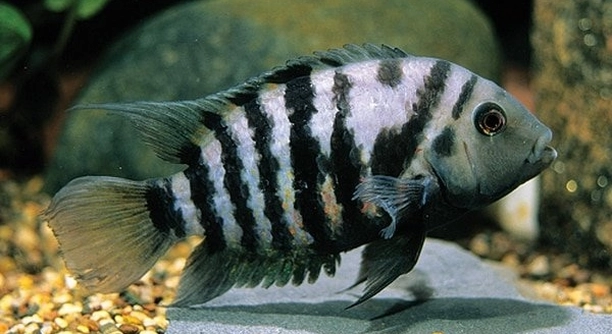
Cichlids are popular freshwater fish that many people enjoy keeping in their aquariums. Sometimes, these fish may swim or float sideways, which can be confusing for owners. This behavior can signal different health or environmental issues affecting the fish.
Cichlids float sideways primarily due to swim bladder disorders, which affect their buoyancy control. These disorders can be caused by infections, poor water quality, diet problems, or physical injury, disrupting the fish’s ability to maintain proper orientation in the water.
Understanding why cichlids float sideways helps improve their care and well-being. This article explains common causes and offers guidance to help fish thrive in home aquariums.
Causes of Swim Bladder Problems in Cichlids
Swim bladder issues in cichlids can happen for several reasons. One common cause is an infection, which may affect the fish’s internal organs and disturb its ability to control buoyancy. Another reason is poor water quality, which stresses the fish and can lead to health problems. Overfeeding or feeding the wrong diet can also cause swim bladder trouble by making the fish’s stomach swell and push against the swim bladder. Physical injury or genetic factors might play a role as well. Stressful tank conditions, such as sudden changes in temperature or aggressive tank mates, can worsen the problem. It’s important to watch for signs early and make adjustments in care. Proper tank maintenance, balanced feeding, and careful observation can help prevent these issues before they become serious.
Identifying the specific cause often requires patience and attention to both the fish and its environment.
Swim bladder problems affect how your cichlid swims, making it hard to maintain balance. Understanding these causes helps you create better conditions to keep your fish healthy and comfortable.
How to Help a Sideways Floating Cichlid
When a cichlid floats sideways, quick action can improve its condition. The first step is checking water quality. Test for ammonia, nitrite, nitrate, and pH levels, as poor water conditions often trigger health problems. Regular water changes are essential to keep the tank clean. Next, adjust feeding habits by offering smaller, more frequent meals of easily digestible foods like peas or specialized pellets. Avoid overfeeding, which can worsen swim bladder issues. If infection is suspected, consult a vet or an expert to consider medication options. Separating the affected fish in a quarantine tank can reduce stress and prevent spreading potential illness to others. Keeping the tank temperature stable and avoiding sudden changes will also help the fish recover. Patience and consistent care are key to helping your cichlid regain normal swimming behavior.
Preventing Swim Bladder Issues in Cichlids
Good tank care is key to preventing swim bladder problems. Keeping water clean and stable helps avoid stress and infections. Feeding the right food in moderate amounts also supports healthy digestion.
Regular water tests ensure proper conditions. Use a balanced diet with quality pellets and occasional vegetables like peas. Avoid sudden changes in temperature or aggressive tank mates, which can stress your fish. Maintaining a calm environment reduces the chance of injury or illness. Consistent care and observation help catch problems early. Preventive measures make a big difference in your cichlid’s health and behavior, helping them swim normally without trouble.
Keeping your tank stable and your fish well-fed prevents many common health issues. A steady routine supports your cichlid’s swim bladder function and overall well-being.
When to Seek Professional Help
If your cichlid continues to float sideways despite your care, professional advice may be necessary. Persistent symptoms might indicate a serious infection or internal injury requiring treatment. Early veterinary intervention can improve the chances of recovery and prevent worsening health. Some swim bladder disorders need medication or special care that only a vet can provide.
Ignoring symptoms or delaying help risks permanent damage or death. Keep a detailed record of your fish’s behavior and tank conditions to assist the vet in diagnosing the problem accurately. Professional support can guide you in managing complicated cases and ensuring the best outcome for your fish.
Common Signs of Swim Bladder Disorder
Swim bladder disorder shows in several ways. Besides floating sideways, fish may struggle to stay upright or sink to the bottom. They can also swim upside down or have trouble swimming normally.
Other signs include a swollen belly or loss of appetite. Watching your cichlid’s behavior closely helps catch these symptoms early. Early detection is important for effective treatment and recovery.
The Role of Diet in Swim Bladder Health
A poor diet is often linked to swim bladder problems. Feeding too much or giving inappropriate foods can upset digestion and cause the swim bladder to malfunction. A diet high in protein and low in fiber might lead to constipation, which pushes against the swim bladder.
Including vegetables like peas in your cichlid’s diet helps prevent constipation and keeps the swim bladder functioning properly. Balanced nutrition supports overall health and reduces the risk of swim bladder issues. Regularly varying food types promotes better digestion and prevents problems before they start.
Environmental Factors to Watch
Changes in water temperature or quality can stress cichlids and cause swim bladder problems. Keeping the tank stable is essential.
FAQ
Why is my cichlid floating sideways suddenly?
Sudden sideways floating usually points to a swim bladder issue. This could be caused by overfeeding, constipation, or a bacterial infection. It might also happen if the water quality is poor or if the fish experienced physical stress or injury. Watching the fish and testing tank conditions helps identify the cause.
Can diet really affect a cichlid’s swim bladder?
Yes, diet plays a big role. Feeding too much or offering food that is hard to digest can lead to constipation. When the fish’s gut swells, it pushes against the swim bladder, causing buoyancy problems. Adding vegetables like shelled peas can ease digestion and prevent these issues.
How long does it take for a cichlid to recover from swim bladder problems?
Recovery time varies. Mild cases may improve within a few days with proper care and diet changes. More severe cases might take weeks and require medication. If the problem lasts more than two weeks, professional help is advisable.
Is swim bladder disorder contagious to other fish?
Swim bladder disorder itself is not contagious. However, if the cause is a bacterial or parasitic infection, that infection can spread. Quarantining affected fish and maintaining tank cleanliness helps prevent transmission.
Can changing the water temperature help?
Yes. Keeping the water temperature stable is important because sudden drops or rises can stress your cichlid, worsening swim bladder problems. Most cichlids prefer temperatures between 75-82°F (24-28°C). Avoid rapid changes to create a stable environment.
Should I use medication for swim bladder issues?
Medication is useful if an infection is suspected. Antibiotics or antiparasitic treatments may be necessary, but only after a proper diagnosis. Overusing medication can harm fish and beneficial tank bacteria, so consult an expert before treating.
What’s the best way to feed a cichlid with swim bladder problems?
Feed small amounts, multiple times a day, to avoid overloading the digestive system. Soaking dry food before feeding can make it easier to digest. Including vegetables like peas helps reduce constipation. Fasting your fish for one or two days can also relieve pressure on the swim bladder.
Can physical injury cause a cichlid to float sideways?
Yes, injuries to the swim bladder or surrounding organs can disrupt buoyancy. Rough handling, aggressive tank mates, or sharp decorations can cause damage. Provide a safe tank environment and watch for signs of aggression or injury.
Is it normal for cichlids to sometimes float on their side?
No, healthy cichlids should swim upright. Floating on the side indicates a problem that needs attention. Ignoring this behavior can lead to worsening health and possibly death.
Can genetics cause swim bladder issues in cichlids?
Some fish are more prone to swim bladder disorders due to genetic factors. However, good care and a proper environment often reduce risks. If you notice recurring problems, consider consulting a breeder or vet for advice.
How important is tank maintenance for preventing swim bladder problems?
Tank maintenance is very important. Regular water changes, testing, and cleaning prevent buildup of harmful substances that can stress fish. A stable environment supports good health and lowers the chance of swim bladder issues.
What should I do if my cichlid is sinking and cannot swim up?
If the fish sinks and struggles to swim, check water quality immediately. Reduce feeding and consider isolating the fish to reduce stress. Consult a vet if symptoms persist, as this may be a sign of a severe swim bladder disorder or other illness.
Can stress cause swim bladder problems?
Stress weakens the immune system and can trigger swim bladder issues. Stress factors include poor water quality, aggressive tank mates, overcrowding, and sudden environmental changes. Reducing stress improves overall health and swimming ability.
Are there any home remedies to fix swim bladder disorder?
Home remedies include fasting your fish for a day or two and feeding peeled peas to relieve constipation. Ensuring clean water and stable conditions also helps. Avoid overfeeding and keep tank temperature steady. If no improvement occurs, seek professional care.
How do I know if my cichlid’s swim bladder problem is serious?
If the fish floats sideways for more than a few days, shows loss of appetite, or has swollen belly, the problem might be serious. Difficulty swimming or breathing also indicates a need for professional help. Early intervention improves recovery chances.
Can swim bladder problems return after treatment?
Yes, if underlying causes like diet, water quality, or stress are not fixed, swim bladder problems can come back. Maintaining good care routines is essential to prevent relapse and keep your cichlid healthy.
Final Thoughts
Swim bladder problems are common in cichlids and can cause them to float sideways or have trouble swimming properly. These issues usually come from things like poor water quality, infections, diet problems, or stress. Paying attention to your fish’s behavior and the conditions in the tank can help you catch these problems early. Early action often makes a big difference in helping your cichlid recover and stay healthy.
Taking good care of the tank is one of the most important steps in preventing swim bladder problems. Regular water testing, cleaning, and stable temperatures create a safe space for your fish. Feeding your cichlid a balanced diet and avoiding overfeeding are also key. Adding vegetables like peas can help with digestion and prevent constipation, which is a common cause of swim bladder issues. Watching for signs like sideways floating, loss of appetite, or changes in swimming behavior helps you know when something is wrong.
If problems continue despite your care, it is important to seek professional advice. Some swim bladder disorders need special treatment or medication. A vet can diagnose infections or other serious causes and suggest the right steps. Remember, consistent care and a good environment help your cichlid live a long and happy life. Keeping these simple practices in mind makes a big difference in avoiding swim bladder issues and enjoying your fish for years to come.

Hello,
If you enjoy the content that we create, please consider saying a "Thank You!" by leaving a tip.
Every little bit helps us continue crafting quality advice that supports the health, happiness, and well-being of pets around the world, for pets of all shapes, sizes, and species.
We really appreciate the kindness and support that you show us!