
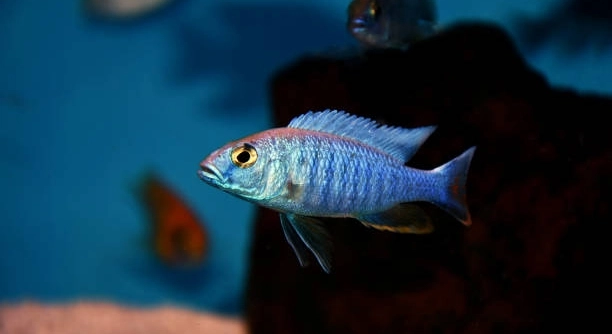
African cichlids are popular freshwater fish known for their vibrant colors and active behavior. Many aquarium enthusiasts enjoy keeping them in community tanks with other species. Breeding these fish in such mixed environments can be a challenge but also rewarding.
Breeding African cichlids in a community tank is possible but requires careful management of tank mates, water conditions, and territory. Successful breeding depends on minimizing aggression and ensuring a suitable environment for fry survival.
Learning how to balance these factors can help create a thriving tank where both adults and young fish coexist peacefully. This article will guide you through what you need to know for breeding success.
Understanding African Cichlid Behavior
African cichlids are territorial fish, especially during breeding. Males often claim a space and defend it fiercely against others. In a community tank, this can lead to aggression if tank mates are not chosen carefully. Females usually seek out hiding spots to lay eggs and protect their fry. It’s important to provide plenty of rocks and caves for shelter. Proper water parameters, like pH and temperature, must be maintained to keep the fish healthy and calm. Without these conditions, stress levels rise, reducing the chance of successful breeding. Keeping the tank clean with regular water changes also helps maintain a stable environment. Monitoring fish behavior closely allows early detection of any aggression or illness. Understanding these behaviors helps create a tank setup that supports both peaceful cohabitation and breeding.
Aggression can be controlled by giving each fish enough personal space and hiding areas.
Observing how fish interact over time will guide adjustments in tank setup or stocking. This prevents bullying and allows breeding pairs to thrive quietly.
Tank Setup for Breeding Success
A community tank that supports breeding needs to balance the number and type of fish. Too many fish increase stress and competition, making breeding difficult. It’s best to include species that are peaceful and unlikely to eat cichlid fry. Rockwork and decorations should create natural barriers and hiding spots. This reduces direct confrontation and helps females feel safe to care for their young. Lighting should mimic natural daylight to encourage normal behavior. Feeding a varied diet rich in protein boosts fish health and breeding readiness. Filtration must be efficient but avoid strong currents that can disturb eggs and fry. Regular testing of water quality is essential to prevent sudden changes. By planning the tank environment carefully, you can create a stable habitat where African cichlids breed successfully alongside other species.
Choosing Compatible Tank Mates
Choosing peaceful tank mates reduces stress and aggression. Avoid large or overly aggressive fish that may harm cichlids or their fry. Small, fast fish that keep to themselves are ideal. Compatibility helps maintain a calm environment where breeding can happen naturally.
Some good companions include certain tetras, catfish, and danios. These species are less likely to challenge cichlids for territory or food. They also rarely threaten eggs or fry. However, keep an eye on interactions because even peaceful fish can become aggressive if overcrowded or stressed. Avoid fish that require very different water conditions, as this complicates tank maintenance. A well-planned community tank gives cichlids the space and security they need to breed without constant conflict.
Balancing numbers is key: too many fish create chaos, while too few reduce the benefits of a community setup. Regular observation helps adjust the mix for harmony.
Feeding to Encourage Breeding
Feeding a varied diet improves fish health and breeding readiness. High-quality flakes or pellets designed for cichlids should be supplemented with live or frozen foods like brine shrimp, bloodworms, or daphnia. These proteins stimulate breeding behavior and improve fry survival rates. Avoid overfeeding to prevent water quality issues, which can stress fish and lower breeding chances.
Regular feeding schedules keep fish in good condition. Include vegetables such as peas or spinach for added nutrition. Changing diet occasionally keeps fish interested and encourages natural instincts. Healthy, well-fed cichlids are more likely to show mating behavior and successfully care for their young. Adjust feeding amounts based on fish activity and tank size to maintain balance.
In a community tank, monitor all species during feeding to ensure no fish are left out or bullied away from food. Proper feeding supports overall tank harmony and breeding success.
Protecting Fry in a Community Tank
Fry are vulnerable to being eaten by other fish in a community tank. Providing plenty of hiding spots with plants or decorations helps protect them. Separating fry with breeding boxes can also increase survival rates.
Monitoring the tank closely during breeding periods allows you to act quickly if aggression rises. Removing overly aggressive fish temporarily can keep fry safe. Using gentle tank mates helps reduce risk. Consistent care and attention are needed to give young cichlids the best chance to grow.
Water Quality and Maintenance
Maintaining stable water quality is crucial for breeding success. Frequent water changes and proper filtration keep ammonia and nitrate levels low. African cichlids prefer slightly alkaline water with a pH between 7.5 and 8.5. Keeping temperature steady between 75-82°F supports healthy development. Testing water parameters regularly helps catch issues early. Good water conditions reduce stress and encourage natural breeding behaviors.
Recognizing Breeding Behavior
Male cichlids display bright colors and establish territories when ready to breed. Females become more reclusive and prepare hiding spots for eggs. Watching these signs helps identify breeding activity early, allowing adjustments in tank care.
Managing Aggression
Aggression peaks during breeding but can be managed with tank design and fish selection. Adequate space and hiding places reduce fights. Removing overly aggressive fish may be necessary to protect others.
FAQ
Can African cichlids breed successfully in a community tank?
Yes, African cichlids can breed in a community tank, but it requires careful planning. You need to choose compatible tank mates, provide enough hiding spaces, and maintain stable water conditions. Aggression must be managed to protect both the breeding pair and the fry.
How do I prevent other fish from eating the fry?
Providing plenty of plants, rocks, and decorations helps fry hide from other fish. You can also use breeding boxes or separate tanks for fry. Keeping peaceful species in the community tank reduces the risk of fry being eaten. Regular observation is important to catch any threats early.
What tank mates work best with African cichlids during breeding?
Small, peaceful fish such as tetras, danios, and certain catfish are usually good choices. Avoid large, aggressive, or territorial species that may stress or harm the cichlids or their young. Compatibility with water parameters is also important for all tank inhabitants.
What water conditions support African cichlid breeding?
African cichlids thrive in water with a pH between 7.5 and 8.5 and temperatures from 75 to 82°F (24 to 28°C). Stable water quality with low ammonia and nitrates is essential. Frequent water changes and proper filtration help maintain these conditions and encourage breeding.
How often should I feed my cichlids during breeding?
Feed cichlids once or twice a day with a balanced diet including high-quality pellets or flakes, plus live or frozen foods like brine shrimp or bloodworms. Avoid overfeeding to prevent water quality problems. A varied diet improves health and stimulates breeding behavior.
What signs indicate that cichlids are ready to breed?
Males often show brighter colors and become territorial. Females may hide more and prepare spaces for eggs. You might see courtship behaviors like chasing and cleaning of rocks. Recognizing these signs helps you create a safe environment for breeding.
How can I reduce aggression in a community tank during breeding?
Provide plenty of hiding spots and enough space for all fish. Avoid overcrowding and remove any overly aggressive individuals if needed. Choosing peaceful tank mates also helps keep aggression levels down, allowing breeding pairs to focus on raising their fry.
Is it necessary to separate breeding pairs from other fish?
Not always, but it can improve fry survival. In a busy community tank, separating fry or using breeding boxes prevents them from being eaten. If aggression is high, temporarily isolating breeding pairs may reduce stress and increase breeding success.
How long does it take for African cichlid fry to grow?
Fry grow quickly, often swimming freely within a week or two after hatching. They become more independent around 3 to 4 weeks old. During this time, they need protected spaces and proper food like finely crushed flakes or specialized fry food to ensure healthy growth.
Can I keep different species of African cichlids together when breeding?
It’s possible but tricky. Different species have varying levels of aggression and breeding habits. Crossbreeding may also occur, which some keepers want to avoid. If keeping multiple species, provide plenty of space and hiding areas to reduce conflict.
What should I do if breeding causes too much aggression?
You may need to rearrange the tank layout to create more territories and hiding spots. Removing aggressive fish temporarily or permanently can also help. Adjusting the number of fish or separating breeding pairs can reduce tension and improve overall tank harmony.
How important is lighting for breeding African cichlids?
Lighting that mimics natural daylight supports normal behavior and breeding cycles. Avoid overly bright lights that stress fish. Using a regular light schedule with periods of darkness helps maintain a healthy environment and encourages breeding activity.
Breeding African cichlids in a community tank can be rewarding but requires careful planning and attention. These fish have natural instincts to protect their territory and young, which can cause aggression if the tank is not set up well. Providing enough space, hiding spots, and choosing peaceful tank mates helps reduce stress and conflict. It is important to maintain stable water conditions with the right pH, temperature, and cleanliness. These factors together create an environment where cichlids feel safe enough to breed and raise their fry.
Monitoring the tank closely during breeding periods is also important. Watch for signs of aggression and intervene if needed by rearranging decorations or removing overly aggressive fish. Feeding a balanced diet with high-quality pellets and live or frozen foods supports fish health and encourages breeding behavior. Protecting fry with plants, caves, or breeding boxes improves their chances of survival in a community tank. While it can be challenging, successful breeding shows that with patience and care, African cichlids can thrive alongside other species.
Overall, breeding African cichlids in a community tank takes effort but is possible with the right approach. Planning your tank setup, choosing compatible fish, and maintaining good water quality are key. Regular observation helps catch problems early and adjust conditions as needed. By providing a peaceful and healthy environment, you increase the chances of seeing beautiful young cichlids grow. This process deepens your understanding of these colorful fish and makes keeping them even more enjoyable.

Hello,
If you enjoy the content that we create, please consider saying a "Thank You!" by leaving a tip.
Every little bit helps us continue crafting quality advice that supports the health, happiness, and well-being of pets around the world, for pets of all shapes, sizes, and species.
We really appreciate the kindness and support that you show us!