
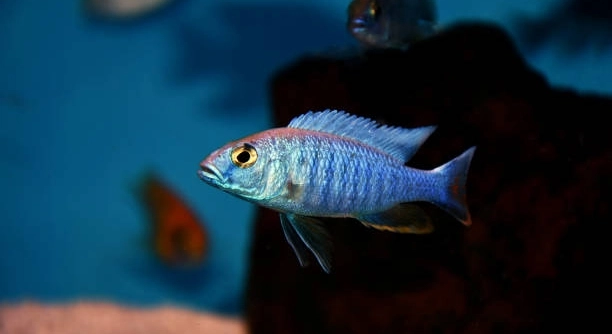
African cichlids are popular aquarium fish known for their vibrant colors and lively behavior. Keeping them healthy requires attention to their well-being and recognizing early signs of disease. Proper care helps ensure they thrive in home tanks.
Seven warning signs indicate potential disease in African cichlids, including changes in behavior, appetite loss, unusual spots or discoloration, clamped fins, rapid breathing, swelling, and erratic swimming. Early detection is crucial to prevent serious health issues and improve recovery chances.
Recognizing these signs early can help you protect your fish and maintain a healthy aquarium environment for your cichlids to flourish.
Changes in Behavior
When African cichlids start acting differently, it’s often a sign that something is wrong. They may become less active, hide more than usual, or stop interacting with other fish. These changes can happen gradually or suddenly, and ignoring them can lead to more serious problems. I’ve noticed that when my cichlids act withdrawn, it usually means they’re stressed or sick. Stress can come from water quality issues, overcrowding, or sudden changes in the environment. Observing their usual behavior helps you spot these warning signs early. Acting quickly by checking water parameters and isolating sick fish can prevent diseases from spreading. Regular tank maintenance and monitoring behavior can keep your fish healthier for longer.
Even small shifts in activity can be important. Watch closely for any signs of withdrawal or lethargy.
Consistent changes in behavior signal health concerns. Fish that hide often or swim less may be fighting infections or parasites. Immediate attention and proper treatment improve their chances of recovery and reduce risks to other tank inhabitants.
Appetite Loss
Loss of appetite is a clear indicator that your African cichlid may be unwell. When they suddenly stop eating or show less interest in food, it usually means their health is compromised. Causes can range from infections to poor water conditions. I’ve seen that fish refusing food often struggle with internal issues like parasites or organ problems. Sometimes, the stress of a new tank setup can also cause temporary appetite loss. It’s important to observe other symptoms alongside this, like color changes or breathing difficulties, to understand the full picture. Offering different types of food or fasting them for a day before reintroducing food can help assess their condition. Keeping the tank clean and stable supports their appetite and overall health.
Appetite loss should not be ignored, especially if it lasts more than a day.
When African cichlids stop eating, it often indicates underlying health problems. Poor water quality, bacterial or parasitic infections, and stress can all reduce appetite. Quick diagnosis and treatment are essential to prevent serious illness. Monitoring feeding habits daily helps detect problems early, ensuring timely care. Providing balanced nutrition and a calm environment supports recovery and keeps your fish strong. If the appetite does not return, consulting a specialist or adjusting tank conditions becomes necessary to avoid worsening health.
Unusual Spots or Discoloration
Unusual spots or changes in color can signal illness in African cichlids. These may appear as white patches, red sores, or faded areas on their bodies and fins. Noticing these changes early is important for timely treatment.
Spots and discoloration often indicate infections caused by bacteria, fungi, or parasites. White spots, for example, can be a sign of ich, a common parasitic disease. Red sores may result from bacterial infections or physical injury. Fading color can also reflect stress or poor water conditions. When I’ve seen these symptoms, I immediately test water quality and isolate affected fish to prevent the spread of disease. Regular tank cleaning and balanced nutrition can reduce the risk of these issues. Treatment often involves medicated baths or antibiotics, depending on the cause.
Sometimes, discoloration results from natural changes like breeding colors or shedding old skin. However, persistent spots or sores need prompt attention. Consulting care guides or a vet helps identify the correct treatment to restore your fish’s health effectively.
Clamped Fins
Clamped fins are a sign that an African cichlid is uncomfortable or ill. The fins appear held tightly against the body rather than spread out. This condition should not be ignored.
Clamped fins can indicate stress, poor water quality, or illness. It’s often a response to discomfort caused by parasites, infections, or physical injury. When my fish display clamped fins, I check the tank’s water parameters immediately, as high ammonia or nitrite levels can cause this symptom. Stress from aggressive tank mates or sudden environmental changes can also lead to fin clamping. Ensuring clean water, stable conditions, and a peaceful environment helps reduce this issue. Treatment depends on the underlying cause but may include water changes, medications, or adjustments to the tank setup.
Clamped fins often appear alongside other symptoms like lethargy or loss of appetite. Monitoring your fish closely and acting quickly improves their chances of recovery and prevents further complications.
Rapid Breathing
Rapid breathing is a clear warning sign in African cichlids. When your fish breathes quickly or gasps at the surface, it usually means stress or a lack of oxygen in the water.
Poor water quality, overcrowding, or infections can cause rapid breathing. I often check oxygen levels and water parameters immediately when I notice this symptom. Ensuring proper aeration and regular water changes helps keep your fish comfortable and healthy.
Swelling
Swelling in African cichlids often points to internal problems like infections or organ issues. It appears as a bloated belly or swollen body parts. I’ve found that early detection can prevent worsening conditions.
Erratic Swimming
Erratic swimming, such as sudden darting or spinning, often shows neurological or muscular problems. It’s a sign that your fish needs immediate attention to avoid further health decline.
How can I prevent diseases in my African cichlids?
Preventing diseases starts with maintaining a clean and stable environment. Regular water changes, proper filtration, and monitoring water quality parameters like pH, ammonia, nitrites, and nitrates are essential. Overcrowding should be avoided because it causes stress and spreads illness faster. Feeding your cichlids a balanced diet with high-quality food strengthens their immune system. Quarantining new fish before adding them to the main tank helps prevent introducing infections. I always keep an eye on their behavior and appearance, as catching problems early makes treatment easier.
What should I do if I notice signs of disease?
At the first sign of disease, isolate the affected fish to prevent spreading. Test your water quality immediately to rule out environmental causes. If water parameters are off, perform partial water changes to improve conditions. Research the symptoms to identify the possible illness, then treat accordingly with appropriate medications. Following instructions carefully on dosage and duration is important to avoid harming your fish. Keeping the tank clean and maintaining stable conditions during treatment supports recovery. If symptoms persist or worsen, consult a veterinarian or experienced aquarist.
Can poor water quality cause these warning signs?
Yes, poor water quality is one of the most common causes of illness in African cichlids. High ammonia, nitrites, or nitrates can cause stress, damage to gills, and weaken immune defenses. This often leads to rapid breathing, clamped fins, loss of appetite, and other signs of disease. Even minor fluctuations in temperature or pH can cause stress. Regular testing and prompt correction of water conditions are necessary to keep your fish healthy. I’ve found that maintaining stable, clean water often prevents many health problems before they start.
How do I know if a fish is stressed or sick?
Stress and illness share similar signs, such as hiding, clamped fins, and appetite loss. Stress is usually caused by environmental factors like poor water quality, overcrowding, or sudden changes. Illness often shows additional symptoms like spots, swelling, or erratic swimming. Observing your fish daily helps tell the difference. When I notice sudden behavior changes without obvious environmental causes, I start checking for disease. Reducing stress by improving tank conditions and isolating sick fish helps both recovery and prevention.
Are medications always necessary to treat African cichlid diseases?
Not always. Some mild issues can be resolved by improving water quality and reducing stress without medication. However, bacterial, fungal, and parasitic infections usually require specific treatments. Overusing medications can harm the beneficial bacteria in your tank’s biological filter. I use medicines only when symptoms clearly indicate an infection or parasite problem. Always follow dosing guidelines and remove activated carbon from your filter during treatment, as it absorbs medicines. After treatment, continue monitoring your fish closely to ensure they fully recover.
How often should I clean my tank to prevent diseases?
Regular maintenance is key. Partial water changes of about 20-30% every week or two keep toxins low and water fresh. Cleaning the substrate and decorations helps remove waste buildup but avoid disturbing the beneficial bacteria too much. I also clean or replace filter media as recommended by the manufacturer. Avoid over-cleaning, which can disrupt the tank’s balance. Keeping a schedule and testing water parameters before and after cleaning helps me maintain a healthy environment for my cichlids and prevents many diseases before they start.
Can diet affect the health of African cichlids?
Absolutely. A poor diet weakens fish and makes them more vulnerable to illness. Feeding a varied diet with quality flakes, pellets, and occasional live or frozen foods provides necessary nutrients. Overfeeding can cause water pollution and health issues, so it’s best to feed small amounts once or twice a day. I have noticed that well-fed cichlids are more active and recover faster from minor illnesses. Supplements like vitamins can also support their immune system, especially during stressful conditions like tank changes or disease outbreaks.
What should I do if multiple fish show signs of illness?
If several fish show symptoms, it usually means the problem affects the whole tank. Start by testing water parameters and performing a large water change to improve conditions quickly. Consider treating the entire tank with appropriate medication after identifying the disease. Quarantine tanks can help isolate severely affected fish. I try to avoid introducing new fish or plants without quarantine to prevent spreading infections. Keeping the tank stable and following treatment protocols closely increases the chances that all your fish will recover.
African cichlids are beautiful and lively fish that bring a lot of joy to any aquarium. However, like all living creatures, they can get sick. Recognizing the warning signs of disease early is important to keep them healthy and happy. Signs such as changes in behavior, loss of appetite, unusual spots, clamped fins, rapid breathing, swelling, and erratic swimming all point to possible health problems. Paying close attention to these signals allows you to act quickly and improve your fish’s chances of recovery.
Keeping African cichlids healthy starts with good care and a clean environment. Regular water changes, proper filtration, and maintaining stable water conditions are essential. Overcrowding and sudden changes in the tank should be avoided because they cause stress, which weakens the fish’s immune system. Feeding your cichlids a balanced diet also plays an important role in their overall health. If you notice any signs of disease, isolating the affected fish and checking water quality right away is a good first step. Treating illnesses promptly and carefully following treatment instructions can prevent problems from getting worse.
It is normal to feel concerned when your fish show signs of sickness, but with the right approach, many diseases can be managed successfully. Regular observation and maintenance help catch problems before they become serious. When unsure, seeking advice from experts or experienced hobbyists can guide you in the right direction. Remember, healthy fish need consistent care, patience, and attention to detail. By providing a stable and clean environment and responding quickly to any warning signs, you can help your African cichlids live long, vibrant lives in your aquarium.

Hello,
If you enjoy the content that we create, please consider saying a "Thank You!" by leaving a tip.
Every little bit helps us continue crafting quality advice that supports the health, happiness, and well-being of pets around the world, for pets of all shapes, sizes, and species.
We really appreciate the kindness and support that you show us!