
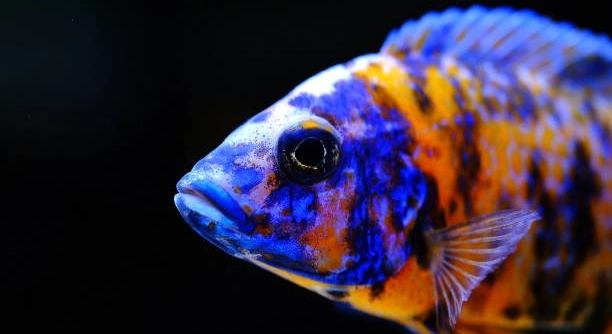
Many fish enthusiasts enjoy keeping cichlids for their vibrant colors and engaging behavior. These popular freshwater fish often spark interest in creating a comfortable tank environment that supports their natural instincts and wellbeing.
Cichlids generally benefit from having caves or hiding spots in their tanks, as these structures provide shelter, reduce stress, and encourage natural behaviors like breeding and territoriality. The presence of caves can significantly improve their overall happiness and health.
Understanding the role caves play in a cichlid’s environment helps in designing a tank that supports their needs and promotes a balanced aquatic habitat.
Why Caves Matter to Cichlids
Cichlids come from environments where natural hiding places like rocks and caves are common. These spaces offer them safety from predators and reduce stress, which is important for their health. Without such shelters, cichlids can become anxious or aggressive because they feel exposed. Caves also provide a private area for resting and breeding. Many species are territorial and need defined spaces to claim as their own. Providing caves in the tank mimics their natural habitat and encourages normal behaviors. This can result in a more peaceful and lively aquarium. Even for less territorial species, caves serve as important retreat spots during times of rest or conflict. The shape, size, and number of caves can influence how comfortable cichlids feel. When they have a secure environment, cichlids display brighter colors and more active behavior. For these reasons, caves are a practical addition for anyone keeping cichlids.
Caves are more than decoration; they improve fish wellbeing by creating safe, natural spaces within the tank.
In addition to safety, caves help cichlids manage their social interactions. These fish often compete for territory, and caves allow them to establish boundaries. This reduces fighting and stress, making the tank environment more balanced. Caves can also be breeding sites, providing protection for eggs and fry. Some cichlids are cave spawners, meaning they lay eggs inside these shelters. Without caves, these species might struggle to reproduce in captivity. Selecting caves that fit the size of the cichlid is essential to encourage this behavior. Overall, caves help maintain a stable environment by offering refuge, promoting natural habits, and supporting breeding efforts. This results in healthier, happier fish.
Choosing the Right Caves for Your Tank
Selecting caves depends on your cichlids’ species and tank size. Not all caves suit every fish.
Materials like ceramic, resin, or natural rock are commonly used for caves, but it’s important to avoid anything that could alter water chemistry. Rough edges should be smoothed to prevent injury. Size matters because caves that are too small cause stress, while overly large caves reduce their feeling of safety. The number of caves should correspond to the number of fish to prevent territorial disputes. Placement is also key—caves should be arranged in spots that offer privacy and easy access but avoid overcrowding the tank. Testing different types and locations can help identify what your cichlids prefer. Monitoring fish behavior after introducing caves will guide adjustments. By carefully choosing and placing caves, you can create a tank environment that meets your cichlids’ natural needs and promotes their wellbeing.
Common Types of Caves for Cichlids
Many cichlid keepers use caves made from rocks, ceramic pots, or resin structures. These materials are durable and safe for aquarium use.
Rock caves provide a natural look and feel, often created by stacking flat stones to form spaces. Ceramic pots are easy to clean and come in various sizes, offering privacy. Resin caves can mimic natural shapes and colors and are lightweight. Each type has advantages, but all must be free of sharp edges. Placement and accessibility are important to encourage fish to use them.
Choosing the right type depends on your tank’s design and your cichlids’ preferences. Experimenting with different caves can help find what works best for your fish, improving their comfort and wellbeing.
Signs Your Cichlids Appreciate Their Caves
Fish that use caves regularly are often calmer and show fewer signs of stress. They may retreat to caves during rest or when feeling threatened.
Active use of caves during breeding indicates the fish feel safe. Bright coloration and frequent visits to caves also show comfort. If cichlids avoid caves or seem restless, it may mean the caves are unsuitable or placed poorly. Observing these behaviors helps determine if changes are needed.
When cichlids feel secure in their caves, it benefits their overall health, reducing aggression and encouraging natural behaviors that contribute to a thriving aquarium.
How to Maintain Caves in Your Tank
Regular cleaning of caves is essential to prevent algae buildup and keep the environment healthy for your cichlids. Avoid harsh chemicals when cleaning.
Use a soft brush or sponge to gently scrub caves during water changes. Inspect caves regularly for damage or sharp edges that could harm fish. Maintaining clean caves helps reduce stress and keeps your cichlids comfortable in their habitat.
Impact of Caves on Cichlid Behavior
Caves provide a safe space that influences how cichlids interact with each other. They reduce aggression by allowing fish to establish personal territories and avoid constant confrontation. This creates a more balanced social environment within the tank, resulting in healthier, more active fish.
Alternatives to Traditional Caves
If caves are not an option, dense plants, driftwood, or rock piles can offer similar shelter. These alternatives create hiding spots and reduce stress. Using natural elements can also enhance the tank’s appearance while meeting your cichlids’ needs.
Monitoring Fish After Introducing Caves
Observe your cichlids closely after adding caves to ensure they are using them and showing signs of comfort. Adjust cave placement if needed to better suit their preferences.
FAQ
Do all cichlid species need caves?
Not all cichlids require caves, but many benefit from them. Species that are territorial or cave spawners especially rely on caves for shelter and breeding. Some open-water cichlids may use caves less frequently but still appreciate hiding spots to feel secure.
Can caves cause problems in the tank?
If caves are poorly chosen or placed, they can create dead spots in the aquarium where water flow is low, leading to waste buildup. Sharp edges on caves can injure fish. Overcrowding caves may increase territorial fights if fish compete for the same shelter.
What materials are safest for cichlid caves?
Ceramic, resin, and natural rocks are generally safe options. Avoid soft stones that dissolve or alter water chemistry, like limestone unless your cichlids prefer hard water. Always rinse new caves well before adding them to the tank to remove dust or residues.
How many caves should I provide?
The number of caves depends on the number of cichlids and their species. A good rule is at least one cave per fish, plus a few extra. This helps reduce competition and aggression by giving each fish a personal space.
Can caves improve breeding success?
Yes. Many cichlids are cave spawners and lay eggs inside caves where they are protected from predators. Providing suitable caves encourages natural breeding behavior and increases the survival chances of fry.
How do I clean caves without harming beneficial bacteria?
Avoid using harsh chemicals or soaps. Gently scrub caves with a soft brush using tank water during water changes. This keeps caves clean while preserving beneficial bacteria important for tank health.
Are artificial caves better than natural ones?
Both have pros and cons. Artificial caves like ceramic pots are easy to clean and come in many sizes. Natural rock caves look more authentic but require careful selection to avoid water issues or sharp edges. Choose based on your tank setup and cichlid needs.
What if my cichlids ignore the caves?
If caves are ignored, they may be too large, too small, or placed in stressful tank areas with too much light or current. Try different sizes or locations. Some cichlids prefer open spaces, so caves are not always essential.
Do caves help with cichlid aggression?
Caves can reduce aggression by providing territorial boundaries and hiding places. When fish have defined spaces, they are less likely to fight. However, caves alone may not solve aggression if the tank is overcrowded or lacks sufficient hiding spots.
Can plants replace caves for hiding?
Dense plants provide cover and reduce stress but do not offer the same protection as caves. Some cichlids prefer solid shelters for breeding and resting. Combining plants with caves offers the best environment.
How often should I replace caves?
Caves don’t need frequent replacement unless damaged or contaminated. Inspect them regularly, and replace if they crack, break, or accumulate harmful algae or waste that can’t be cleaned.
What size caves are best for my cichlids?
Caves should be large enough for your fish to enter and turn around comfortably but small enough to feel secure. For breeding, the cave should fit the size of the adult fish well to encourage spawning.
Can caves be dangerous for cichlids?
Improperly designed caves with sharp edges or unstable stacks of rocks can injure fish or collapse, trapping them. Always ensure caves are stable, smooth, and safe before introducing them to the tank.
Do caves affect water quality?
Caves themselves don’t directly affect water quality but can trap debris and reduce water flow if placed poorly. Regular cleaning and careful placement help maintain good tank conditions.
Is it necessary to provide caves in a community tank with cichlids?
Providing caves benefits community tanks with cichlids by giving them personal spaces and reducing stress. Even if other fish don’t use caves, they can help manage cichlid behavior and aggression.
Caves play an important role in creating a comfortable environment for many cichlid species. They provide shelter, help reduce stress, and encourage natural behaviors like territoriality and breeding. While not every cichlid may need caves, offering them in your tank supports the fish’s wellbeing. Caves can be made from a variety of materials such as ceramic, resin, or natural rocks. Choosing the right size and number is important to match your fish’s needs and avoid overcrowding. Proper placement ensures that the caves serve as safe hiding spots rather than areas of conflict.
Maintaining caves is equally important to keep your tank healthy. Regular cleaning helps prevent algae buildup and waste accumulation, which can negatively affect water quality and fish health. It is best to use gentle methods like scrubbing with tank water during water changes to protect beneficial bacteria. Watching your cichlids’ behavior after introducing caves can give clues about whether the caves are suitable. If fish use caves often and display calm, natural behavior, it shows the environment supports their needs well. If they avoid caves or show signs of stress, adjustments may be needed.
Overall, caves are a practical addition to most cichlid tanks. They contribute to a balanced and peaceful aquarium by offering security and reducing aggression. Providing caves also encourages natural activities like breeding, which can be rewarding for the keeper. While some species may not depend on caves as much, most cichlids benefit from having these shelters available. Taking time to select, place, and maintain caves carefully will improve your fish’s quality of life and help create a thriving aquatic habitat.

Hello,
If you enjoy the content that we create, please consider saying a "Thank You!" by leaving a tip.
Every little bit helps us continue crafting quality advice that supports the health, happiness, and well-being of pets around the world, for pets of all shapes, sizes, and species.
We really appreciate the kindness and support that you show us!